
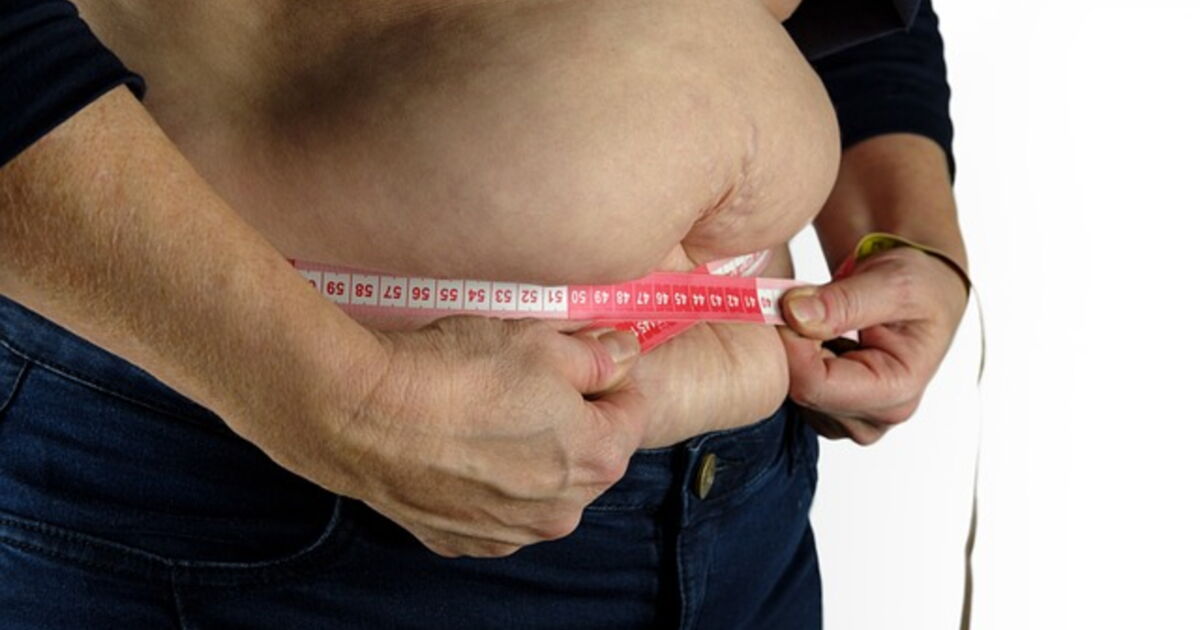
A little extra weight around the middle is one of the most common complaints as we get older. Even people who never worried about their waistline in their 30s often find themselves battling stubborn belly fat in their 50s. The reasons go far beyond “eating too much” — age brings hormonal, metabolic, and lifestyle shifts that make abdominal fat harder to avoid.
What is abdominal fat?
Belly fat comes in two main forms. Subcutaneous fat is the soft layer you can pinch just under the skin, while visceral fat sits deeper, wrapping around organs like the liver and intestines. While both types play a role in protecting the body and storing energy, too much — especially visceral fat — is linked to higher risks of heart disease, diabetes, and metabolic syndrome, according to the National Institutes of Health.
How much belly fat is normal?
Healthy fat percentages vary by sex and age. For women, a body fat range of 20–32% is generally considered normal, while for men, the range is lower, around 8–18%. As we age, these percentages often climb due to a slower metabolism and reduced muscle mass. Tools like the Body Fat Index (BFI) can help track changes and assess risks beyond the bathroom scale.
Why does belly fat increase with age?
Several factors combine to make midlife weight gain common:
-
Hormonal changes: After menopause, falling estrogen levels shift fat storage toward the abdomen in women. For men, declining testosterone encourages fat to replace muscle, particularly around the waist.
-
Metabolic slowdown: With age, the body burns fewer calories at rest. If eating habits don’t adjust, excess calories are stored as fat.
-
Loss of muscle mass: Known as sarcopenia, the gradual decline of muscle tissue reduces metabolic rate, making fat gain easier.
-
Lifestyle factors: Less physical activity, poor diet, and high stress all contribute to belly fat accumulation.
Why women notice changes after 50
For many women, menopause is the turning point. Lower estrogen levels not only affect reproductive health but also change how fat is distributed. Add to that a natural decline in muscle tone and metabolism, and the waistline often becomes the body’s default storage spot.
Why men develop “middle-age spread”
Men aren’t spared either. A gradual drop in testosterone means less muscle and more fat over time. Combine this with a sedentary lifestyle and diets rich in processed foods, and the so-called “dad bod” becomes harder to resist. Research from Harvard Health highlights that visceral fat in men increases steadily with age, raising cardiovascular risks.
How to reduce belly fat with age
The good news is that age-related belly fat isn’t inevitable. Experts recommend a balanced approach:
-
Eat smart: Focus on lean proteins, high-fibre foods, and healthy fats. Limit added sugars and processed meals.
-
Stay active: Mix cardio exercise (walking, cycling, swimming) with strength training to preserve muscle and boost metabolism.
-
Prioritise sleep: Poor sleep disrupts appetite-regulating hormones like leptin and ghrelin, making weight management harder.
-
Manage stress: Chronic stress raises cortisol, a hormone strongly linked to abdominal fat storage.
Foods to watch out for
Certain foods make belly fat harder to lose:
-
Sugary drinks like sodas and packaged juices.
-
Highly processed foods such as deli meats, fried snacks, and ready meals.
-
Refined sweets — biscuits, cakes, and candies.
-
Gas-producing foods like beans and cruciferous vegetables, which aren’t harmful but may cause temporary bloating.
The bottom line
Belly fat often increases with age due to hormonal shifts, muscle loss, and lifestyle habits, but it isn’t inevitable. With the right combination of diet, exercise, and self-care, it’s possible to protect your health and maintain a strong, healthy body well into later life.
Similar Posts:
- Here’s Why Your Belly Grows with Age—And What You Can Do
- Belly fat trumps BMI: stronger predictor of heart failure risk
- Why your belly gets bigger with age : the real reasons
- Belly Fat Linked to Daily Habits, but Sustainable Loss Remains Achievable for All
- Beer belly raises heart damage risk: men hit hardest

Theo is a dynamic fitness coach who brings energy, realism, and flavor to healthy living. His content is about strong bodies, positive minds, and meals that fuel both.