
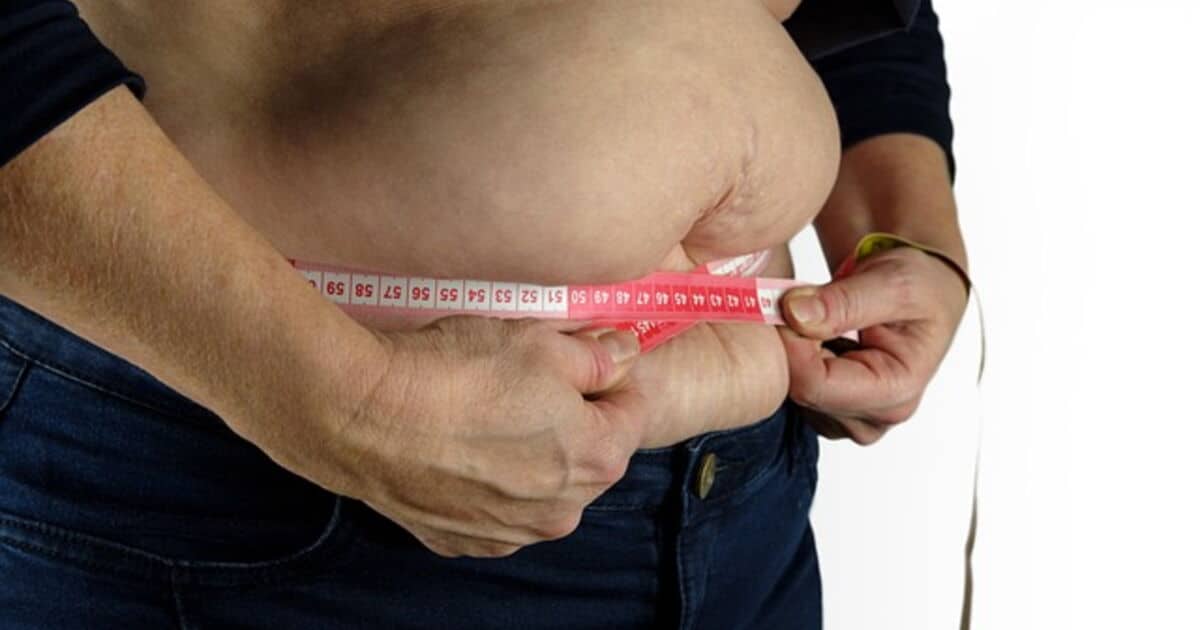
That stubborn belly bulge that seems to appear with each passing decade? It’s not just in your head. As we age, several biological and lifestyle changes converge, making it easier to store fat around the midsection. But the good news? There are ways to manage it—with a few strategic shifts.
What Is Belly Fat, Really?
Not all fat around the abdomen is created equal. In fact, abdominal fat exists in two key forms:
- Subcutaneous fat, which lies just under the skin and forms the visible “rolls”
- Visceral fat, which wraps around internal organs and is far more concerning for your health
While body fat plays a necessary role—protecting organs and storing energy—an excess, particularly of visceral fat, increases the risk of heart disease, diabetes, and other metabolic disorders.
What’s Considered a Healthy Fat Percentage?
Healthy body fat levels vary based on age and sex:
- For women, ideal levels range between 20% and 32%
- For men, the healthy zone sits between 8% and 18%
These numbers tend to creep up with age due to slower metabolism and declining physical activity. A helpful tool for monitoring this shift is the Body Fat Index (BFI), which can be more insightful than BMI when assessing health risks.
Why Does Belly Fat Increase with Age?
A few key reasons explain why the waistline often expands over time:
- Hormonal changes: Women experience a drop in estrogen during menopause, which often leads to more fat being stored around the abdomen. In men, testosterone levels also decline, contributing to a similar shift.
- Slower metabolism: The body burns fewer calories at rest, making it easier to store excess energy as fat—even if your diet hasn’t changed.
- Muscle loss: With age comes a natural reduction in muscle mass, which lowers your resting calorie burn and allows fat to accumulate more easily.
- Lifestyle habits: A more sedentary routine and poor dietary choices only accelerate the process.
Why Post-50 Weight Gain Is More Noticeable in Women
For women over 50, hormonal shifts during menopause play a significant role in how the body stores fat. As estrogen levels drop, the body tends to redistribute fat from the hips and thighs toward the abdomen. Combine that with a naturally declining metabolic rate, and the result is often a noticeable midsection gain—even without eating more.
What Drives Belly Fat in Aging Men?
In men, a similar story unfolds. Decreased testosterone production leads to muscle loss and an increase in fat storage—especially around the waist. Add in diets high in refined sugars and saturated fats, plus lower physical activity levels, and it’s no surprise the belly becomes a problem area.
How to Lose Belly Fat as You Age
While spot reduction isn’t realistic, you can absolutely reduce abdominal fat through consistent, healthy habits:
- Balanced diet: Focus on lean protein, fiber-rich foods, and healthy fats like those from nuts and olive oil. Avoid ultra-processed foods and limit refined sugars.
- Regular exercise: Combine cardio workouts (like brisk walking or cycling) with resistance training to maintain and build muscle mass.
- Quality sleep: Good rest supports hormonal regulation, especially those linked to hunger and fat storage, like leptin and cortisol.
Foods to Limit for a Flatter Midsection
Some foods are more likely to contribute to belly fat and should be eaten sparingly:
- Sugary drinks like soda and sweetened juices
- Highly processed foods such as ready meals and deli meats
- Fast-digesting carbs like pastries, candy, and white bread
- Even healthy legumes and cruciferous vegetables, while nutritious, can cause bloating in some individuals
Because every body responds differently, it’s wise to work with a nutritionist to tailor a plan that suits your metabolism and lifestyle.
Final Thoughts
Belly fat tends to increase with age due to a combination of hormonal shifts, slower metabolism, and lifestyle habits—but it doesn’t have to be inevitable. With smart nutrition, consistent movement, and awareness of how your body changes, you can stay ahead of the curve.
Taking care of your health is an investment that pays off in energy, confidence, and quality of life—at any age. And it all starts with small, sustainable choices.
Similar Posts:
- Why does belly fat increase with age? The science behind it
- Why your belly gets bigger with age : the real reasons
- Menopausal belly fat: doctor reveals the one diet that actually works
- Belly fat: 5 powerful tricks to lose it fast without exercise
- Belly fat trumps BMI: stronger predictor of heart failure risk

Theo is a dynamic fitness coach who brings energy, realism, and flavor to healthy living. His content is about strong bodies, positive minds, and meals that fuel both.