
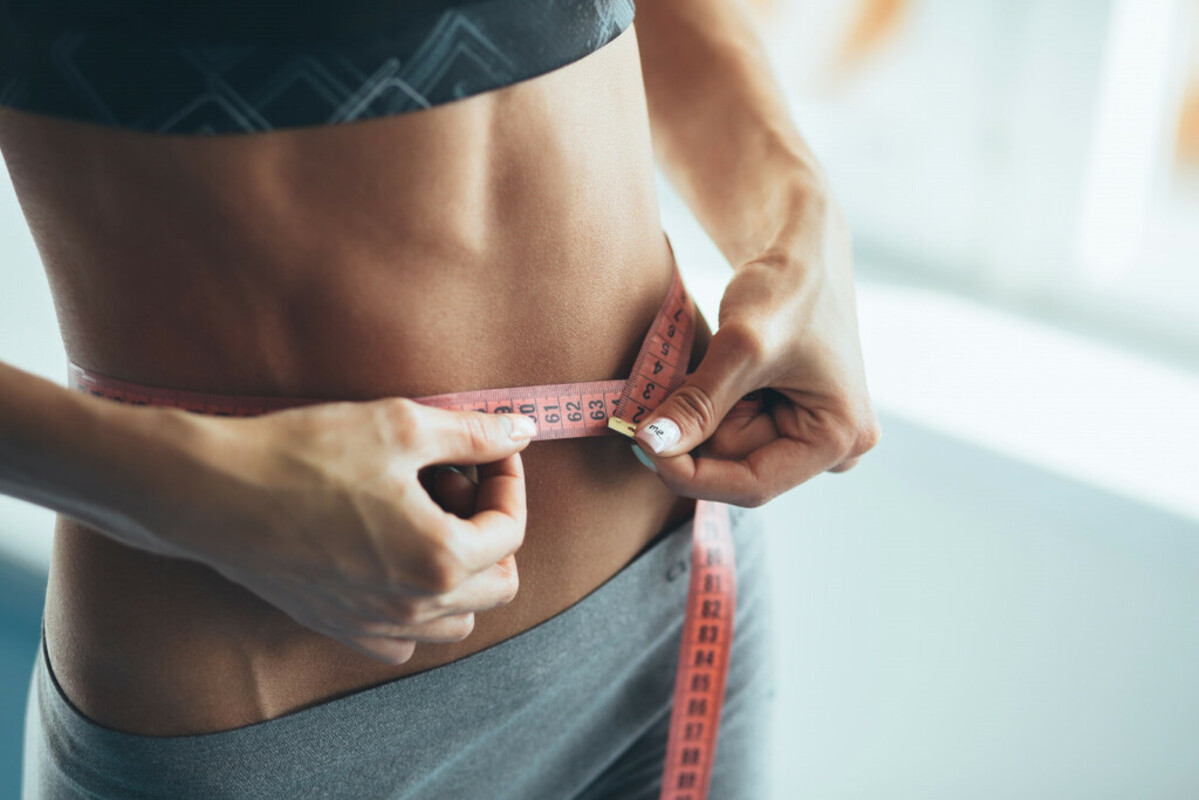
Belly fat isn’t just a wardrobe nuisance — it’s also linked to deeper health risks. The good news? Science shows there are practical, powerful steps you can take to reduce it and feel better in your own skin.
First, what exactly is belly fat?
Not all fat is created equal. Belly fat — or visceral fat, to use the proper term — lives deep in your abdomen, wrapped around organs like your liver and intestines. Unlike the soft stuff you can pinch just under your skin, this type of fat can quietly interfere with your metabolism and long-term health.
And yes, it’s absolutely normal to carry some. But when it builds up, it’s been linked to higher risks of type 2 diabetes, high blood pressure, and even heart disease. Not ideal.
Why this type of fat is more dangerous
Because it’s not visible in the same way as other types, visceral fat can go unnoticed — until it starts causing trouble. It doesn’t just sit there; it actively releases inflammatory substances and hormones that can mess with how your body functions. Think of it as a bit of an overzealous houseguest who doesn’t know when to leave.
The takeaway? It’s worth paying attention to. But no crash diets or fads needed — just a few consistent lifestyle shifts.
1. Weight loss is still the most direct route
Here’s a simple truth: losing overall weight can shrink visceral fat significantly. According to W. Scott Butsch, a nutrition expert, dropping just 10% of your body weight could reduce your visceral fat by up to 30%. That’s not just cosmetic — that’s your organs breathing a sigh of relief.
And no, you don’t need to chase impossible goals. Even small, steady changes — like cutting out ultra-processed snacks or adding a walk after dinner — can start to tip the scales in your favour.
2. Keep moving, especially with cardio
If there’s one thing exercise is great at, it’s tackling stubborn belly fat. And while strength training is important, it’s aerobic activity — brisk walking, cycling, swimming — that really gets results when it comes to visceral fat.
The NHS recommends at least 150 minutes of moderate-intensity activity per week. That might sound like a lot, but broken into chunks, it’s really just 30 minutes a day, five days a week. A podcast, a park, and you’re good to go.
3. Mind your meals
Forget drastic diets. It’s not about deprivation but balance. Prioritise fibre-rich foods like whole grains, beans and vegetables, and keep your intake of added sugars and refined carbs in check.
A Mediterranean-style approach — plenty of lean proteins, healthy fats, and colourful veg — isn’t just delicious, it’s proven to help reduce visceral fat levels over time.
4. Sleep matters more than you think
Skimping on sleep isn’t just a recipe for grogginess. Studies show that getting less than 6 hours a night can actually encourage the build-up of belly fat. On the flip side, consistent, high-quality sleep helps regulate the hormones that influence hunger and fat storage.
Aim for 7 to 9 hours, and try to keep your bedtime regular — even on weekends. Yes, that Netflix series can wait.
5. Don’t underestimate stress
High stress doesn’t just weigh on your mind — it affects your waistline too. Chronic stress spikes cortisol, a hormone that encourages fat storage around the belly.
Whether it’s yoga, journaling, or simply carving out 10 quiet minutes with a cup of tea, building in regular time to decompress can support both your mental and physical health.
A slow and steady win
Visceral fat might be tricky, but it’s far from untouchable. With a few focused, science-backed habits, you can reduce its impact and improve your overall wellbeing — without punishing yourself.
Start small, stay consistent, and remember: this isn’t about looking a certain way. It’s about giving your body the care it needs to thrive.
Similar Posts:
- Why does belly fat increase with age? The science behind it
- This everyday food can actually reduce belly fat, according to science
- Beer belly raises heart damage risk: men hit hardest
- Here’s Why Your Belly Grows with Age—And What You Can Do
- Abdominal fat: an expert shares 8 ways to lose it steadily and effectively

Theo is a dynamic fitness coach who brings energy, realism, and flavor to healthy living. His content is about strong bodies, positive minds, and meals that fuel both.