
Once seen as the purest source of refreshment, rainwater is now off the menu. Scientists warn that even in the most remote places on Earth, a sip from the sky could expose us to dangerous levels of chemical pollution. The main culprits are the so-called forever chemicals, a family of substances that refuse to disappear and are quietly circulating across the globe.
the global spread of forever chemicals
It used to be the stuff of childhood dares: tilt your head back, open your mouth, and drink straight from the sky. But according to scientists, that innocent image is now more of a health hazard than a quirky summertime memory. Researchers at Stockholm University have found that rainwater is no longer safe to drink anywhere on Earth, even in the most remote corners of the globe.
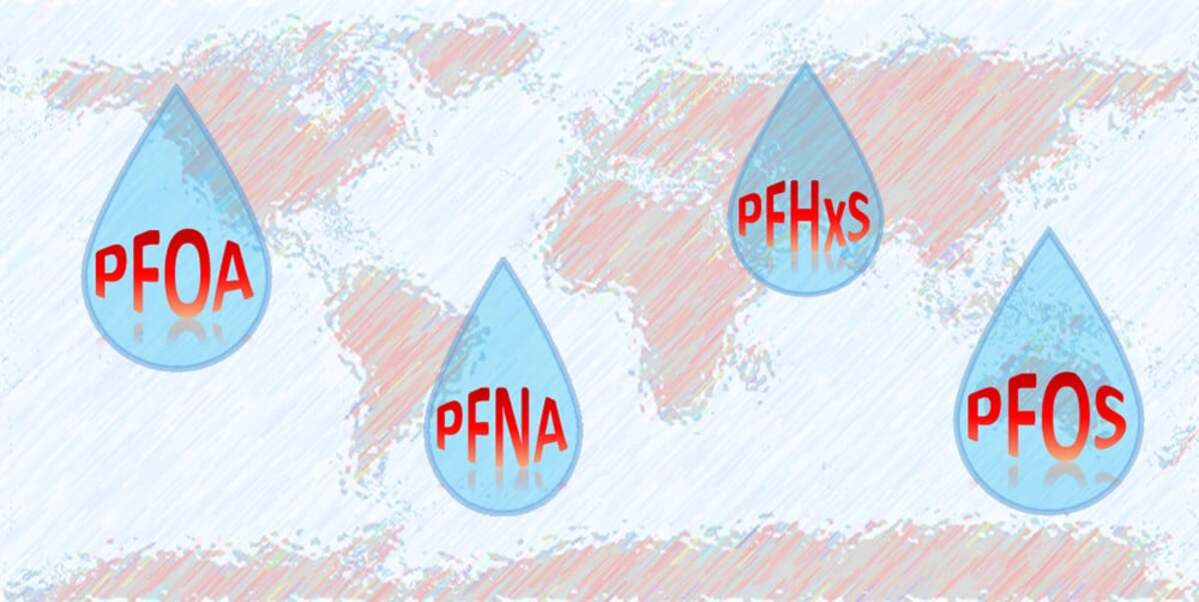
The culprit? Substances known as PFAS (per- and polyfluoroalkyl substances), sometimes grimly nicknamed “forever chemicals.” These man-made compounds, used in everything from non-stick frying pans to waterproof jackets, are astonishingly persistent. Once they seep into the environment, they don’t just fade away—they hang around, travelling through soil, rivers, oceans, and now, into the very raindrops falling on our heads.
when the sky itself is polluted
If microplastics in deep-sea fish weren’t enough to unsettle us, the idea of invisible chemicals drifting into mountain snow or Arctic rainfall is a stark reminder of how small our planet really is. The Swedish team’s findings, published in the journal Environmental Science & Technology, confirm that PFAS have spread so thoroughly across the atmosphere that rain and snow alike are contaminated.
The real concern isn’t just their stubborn presence but their health effects. Decades of research link PFAS exposure to cancers, fertility issues, pregnancy complications, weakened immune responses, and high cholesterol. Children are especially vulnerable, with potential impacts on learning and behaviour. And while concentrations of some PFAS have dropped slightly since major producers like 3M began phasing them out, levels remain far above what health agencies consider safe.
a vicious cycle that won’t break
Part of the problem is that these chemicals don’t just sit quietly in water or soil. They move. Ocean spray, for instance, can launch PFAS back into the atmosphere, where they hitch a ride on tiny droplets and drift across continents before settling again. It’s a relentless loop, fuelling a global cycle of contamination that refuses to ease.
This means that even if strict limits are set on PFAS use today, the damage already done will continue to circulate for years, if not decades. Researchers warn that the regulatory thresholds for safe drinking water have already been exceeded, leaving little room to manoeuvre. In plain terms: the bar was set, and we’ve already stumbled past it.
where do we go from here?
It’s hard not to feel a bit helpless reading about pollutants in something as universal and pure-seeming as rain. After all, nobody can step outside with an umbrella strong enough to block invisible chemicals. But awareness matters. Pressure on manufacturers to cut PFAS use has grown, and governments worldwide are under increasing pressure to tighten regulations.
On a personal level, the takeaway isn’t to panic every time a drop of rain touches your lips. Instead, it’s a reminder that environmental health is inseparable from human health. Every decision about what we make, buy, and throw away feeds into a cycle that’s proving harder and harder to escape.
Perhaps the next time we see rain, we won’t be tempted to drink it—but we might be a little more motivated to think about the invisible baggage it carries.
Similar Posts:
- The safest cookware pans have finally been revealed – here’s what to choose
- Ultimate Clean Beauty Guide: Transform Your Skincare Routine Now!
- This seemingly harmless drink speeds up aging dramatically, scientists warn
- Hair extensions may contain cancer-linked chemicals: study warns
- This unsuspected drink weakens your immune system, say nutritionists

Theo is a dynamic fitness coach who brings energy, realism, and flavor to healthy living. His content is about strong bodies, positive minds, and meals that fuel both.