
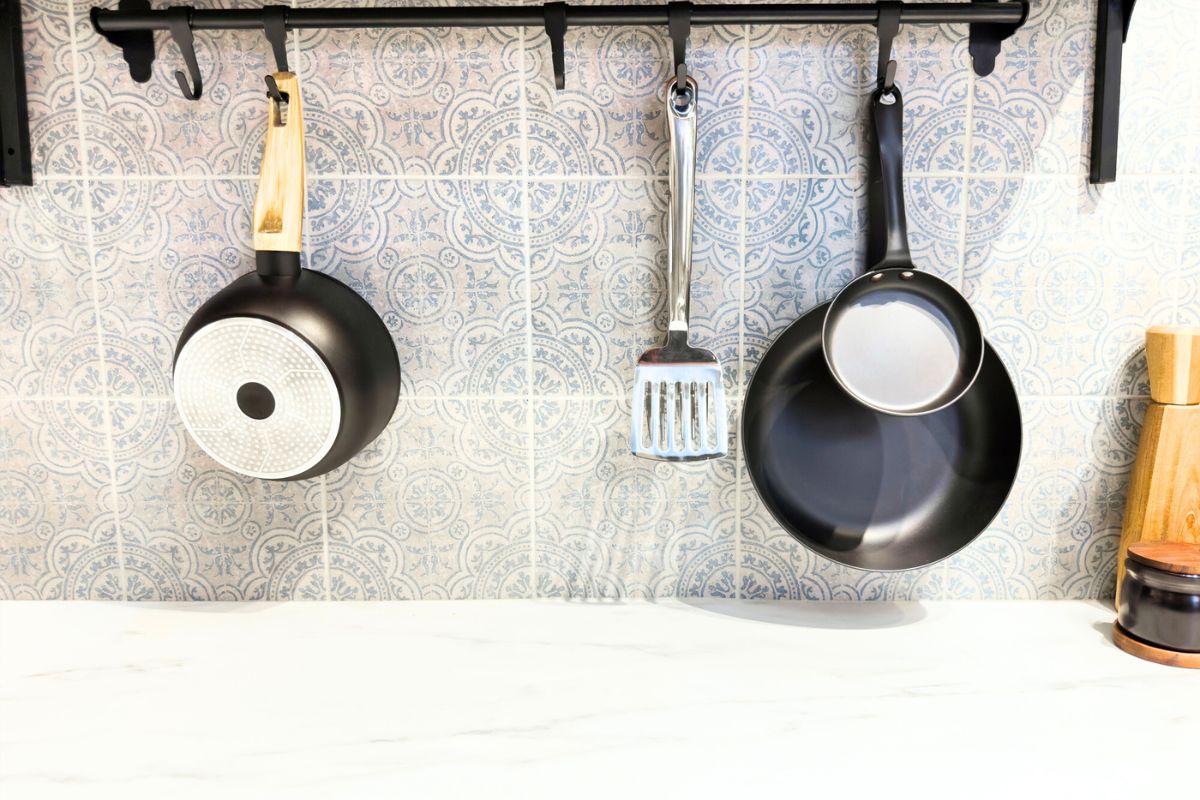
If you’ve ever paused mid-breakfast prep and wondered whether your frying pan might be releasing more than just steam, you’re not alone. Choosing the right cookware isn’t just about how well it sears a steak or flips an omelet—it’s also about protecting your health. In recent years, the spotlight has shifted to what’s inside our pans, and whether that slick, non-stick surface is as safe as it seems. Spoiler: not all pans are created equal. Here’s what you need to know before your next kitchen upgrade.
Non-Stick Pans: Convenient, But Not Without Risks
For decades, non-stick pans have reigned supreme in home kitchens. And it’s easy to see why: eggs glide across the surface like they’re on ice skates, pancakes flip with grace, and cleanup takes seconds. But that convenience may come at a hidden cost. Many traditional non-stick pans are coated with PTFE (best known under the brand name Teflon), a compound that often contains PFAS—a class of chemicals increasingly under scrutiny.
Nicknamed “forever chemicals” because of how stubbornly they linger in the environment and the human body, PFAS have been linked to various health concerns, including hormone disruption and immune system effects, according to the U.S. Environmental Protection Agency (EPA). While most manufacturers now tout that their pans are PFOA-free, PFOA is just one member of the broader PFAS family. The question remains: what else might still be in there?
Safer Alternatives: Ceramic and Stainless Steel
The good news? You don’t have to abandon your omelets or sautéed veggies altogether. Safer alternatives do exist—and they’re getting better every year.
Ceramic-coated pans have become a popular go-to for those seeking a non-stick experience without PFAS. Many of these use a sol-gel coating, which gives them their slick surface. However, transparency is key. Some brands aren’t always clear about what goes into their formulas, and not all “ceramic” pans are created equal. If you’re going down this route, look for clear labeling and third-party certifications that verify PFAS-free claims.
Then there’s the classic: stainless steel. These pans don’t come with chemical coatings and are widely praised for their durability, heat resistance, and ability to handle just about anything—from searing meat to simmering sauces. While they don’t offer the effortless release of a non-stick surface, a bit of practice and some oil can go a long way. Plus, they’re virtually indestructible and often dishwasher safe.
How to Choose the Safest Pan for Your Kitchen
When it comes to finding the safest cookware for your home, here are some smart tips to keep in mind:
- Look for PFAS-free certification: Many forward-thinking brands now openly display this on their packaging. It’s a green flag.
- Avoid scratched or worn pans: Damaged coatings can release harmful particles into your food—even in safer models.
- Prioritize natural materials: Cast iron, ceramic without chemical coatings, and high-quality stainless steel are solid bets.
- Read the fine print: If a brand’s website is vague or full of marketing buzzwords but light on specifics, take it as a warning sign.
A little research can go a long way in keeping your meals delicious and safe.
Cooking Safe Doesn’t Mean Compromising Flavor
Ultimately, switching to safer cookware doesn’t mean sacrificing your favorite recipes. I’ve been using a cast iron skillet inherited from my grandmother, and not only does it sear like a dream, but it’s also reassuring to know there are zero synthetic coatings involved. If you’re after something lighter and more modern, ceramic or stainless steel can also serve you well—just with a slightly different learning curve.
With so many options now available, there’s no reason to settle for a pan that leaves you guessing. Your cookware should do more than perform—it should give you peace of mind.
So, ready to toss out that scratched-up non-stick and start fresh? Your health—and your next Sunday brunch—might just thank you for it.
Similar Posts:
- The magic ingredient to clean burnt pan bottoms effortlessly
- Rainwater is now unsafe to drink, scientists warn
- Microplastics flood drinks from to-go coffee cups: how to protect yourself
- The magic trick to easily remove grease from all your kitchen furniture
- Oven rack cleaning hack: the easy trick to remove heavy baked-on grease

Theo is a dynamic fitness coach who brings energy, realism, and flavor to healthy living. His content is about strong bodies, positive minds, and meals that fuel both.