
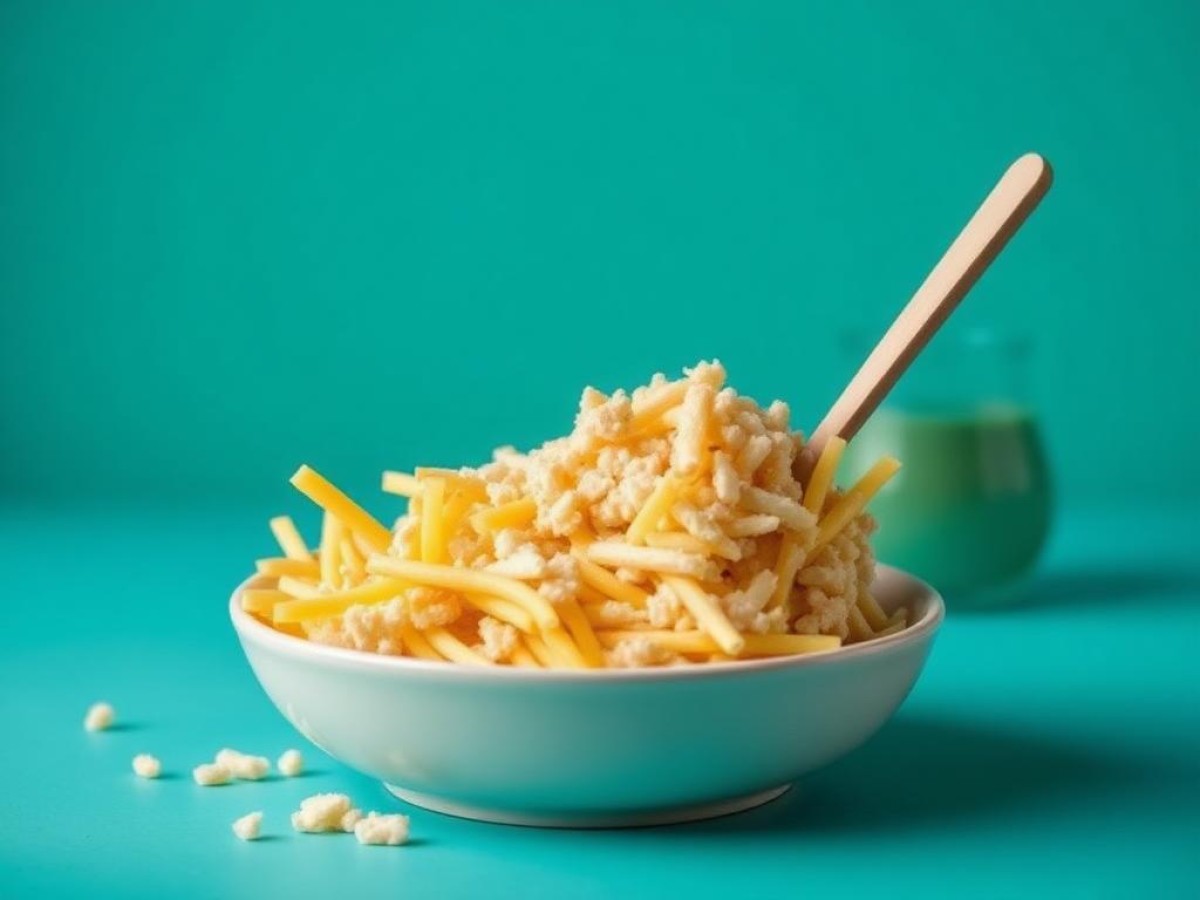
- ‘Fibermaxxing’ has become a popular nutritional movement on TikTok that focuses on increasing fiber consumption during meals and snacks.
- According to nutrition experts, embracing a high-fiber diet through fibermaxxing can offer several health advantages, such as aiding in weight management and decreasing the risk of various chronic diseases.
- It is important for seniors and individuals with specific health issues to consult their healthcare provider before making significant dietary changes.
- If fiber has not been a major part of your diet, it’s advisable to gradually incorporate more to avoid digestive discomfort.
Shoppers are now focusing on bulking up their carts with fiber-rich foods, not just their muscles at the gym.
The trending concept of ‘fibermaxxing’ has caught on among TikTok influencers, leading to an increased focus on stocking up on vegetables, beans, and whole grains that are high in fiber.
Proponents of fibermaxxing cite benefits that extend beyond digestion. They claim that a high-fiber diet supports gut bacteria and hormone levels, potentially enhancing mood and aiding in weight loss.
This dietary trend is also associated with better management of blood sugar and cholesterol, potentially reducing the likelihood of developing diseases such as type 2 diabetes, heart disease, and certain types of cancer like colorectal cancer.
However, the question remains: Is more fiber always better?
To find out more about the potential benefits and drawbacks of fibermaxxing, discussions were held with several dietitians.
Understanding Fibermaxxing
Kara Landau, RD, from Gut Feeling Consultancy and an advisor to the Global Prebiotic Association, describes fibermaxxing as a deliberate effort to include more fiber in one’s daily diet.
She emphasizes that unlike many fleeting and unsupported diet trends on social media, fibermaxxing is a fundamentally sound nutritional strategy that aligns with the advice of many dietitians and healthcare professionals.
Landau points out that fiber recommendations vary by age and gender, typically ranging from 25 to 38 grams per day, with women generally needing less than men.
These recommendations decrease slightly for individuals over 50, she adds.
Dahlia Marin, RDN, LD, CGN, CEO at Married to Health, elaborates on fiber needs for older adults, noting that men over 50 require 30 grams per day, while women in this age group need 21 grams. Children’s fiber requirements range from 14 to 25 grams daily, depending on their age and gender.
Fiber’s Role in Weight Management and Disease Prevention
Adequate fiber intake is linked to a plethora of health benefits.
Landau explains that fiber is crucial for healthy digestion and nurturing the beneficial gut bacteria. This promotes hormone regulation, which can affect mood and body weight.
Moreover, fiber is instrumental in managing blood sugar and cholesterol levels, which can help in reducing the risk of chronic diseases such as type 2 diabetes and heart disease.
“Dietary fiber also plays a protective role against certain cancers,” notes Landau, highlighting that a high fiber intake correlates with a reduced risk of colorectal cancer.
A recent study published in JAMA also suggests that higher intakes of dietary fiber and complex carbohydrates are linked to healthy aging and longevity in women.
Who Might Need to Avoid Fibermaxxing?
High fiber diets are not suitable for everyone, especially those with certain medical conditions.
Individuals over 50 or those suffering from conditions like short bowel syndrome, pelvic prolapse, among others, may not respond well to a high fiber diet, according to Marin.
Anyone falling within these categories should seek medical advice before increasing their fiber intake.
Marin also advises that people with existing gut conditions such as irritable bowel syndrome (IBS), small intestinal bacterial overgrowth (SIBO), inflammatory bowel disease (IBD), among others, should possibly reduce their fiber intake initially, then reintroduce it slowly and strategically to avoid exacerbating symptoms.
She suggests that a reverse elimination diet might help build tolerance and allow the gut to heal, making it easier to handle more fiber over time.
“Overall, the trend towards more fiber is beneficial for preventing future digestive issues, but it’s not suitable for everyone,” concludes Marin.
Enhancing Fiber Intake Effectively
Marin recommends increasing your fiber consumption simply by incorporating more plant-based foods into your diet.
“Try to include at least one high-fiber food in every meal and snack,” she advises.
Some of her preferred high-fiber options include:
- kiwi
- chia seeds
- dragon fruit
- whole grains
- beans and legumes
- carrots
- blueberries
- sweet potatoes
- oats
- kale
- broccoli
- avocados
Landau adds that when choosing packaged foods that are advertised as high in fiber, it’s crucial to read the label to ensure they contain a variety of fiber sources, rather than a single type.
Watch out for ingredients like:
- soluble corn fiber
- chicory root inulin
- polydextrose
She explains that this approach helps prevent digestive issues and supports the nourishment of diverse probiotics in the gut that each thrive on different types of prebiotic fiber.
Landau also notes that older adults who have gradually built a tolerance to fiber may benefit from increased intake, as long as it’s derived from a variety of whole foods, including:
- vegetables
- fruits
- whole grains
- legumes
- lentils
- nuts
- seeds
“It’s important to focus not just on the quantity of fiber, but also on the diversity of fiber sources to avoid digestive discomfort,” she advises.
If you are new to a high-fiber diet, it’s also crucial to increase your water intake to help maintain smooth digestive processes and to mitigate any potential bloating and gas, Landau adds.
Most People Could Benefit from Increased Fiber Intake
While fibermaxxing is popular on TikTok, the scientific support for a high-fiber diet is substantial.
Increasing fiber can significantly improve blood sugar control, digestion, hormone regulation, and even help prevent chronic diseases.
Fiber is also known for its satiating properties, which can aid in weight loss and help maintain a healthy weight.
Most experts concur that the majority of people would benefit from incorporating more fiber-rich, plant-based foods into their diets.
However, diving into a high-fiber diet without proper planning can lead to complications, particularly for those with sensitive digestive systems, certain medical conditions, or older adults.
It’s essential to tailor your approach: gradually increase fiber, enhance water intake, and prioritize a variety of whole foods.
While labels can be informative, the diversity of fiber types—from fruits and vegetables to legumes and grains—is more significant than just the total grams of fiber.
Before embracing this trend, it’s wise to pay attention to your body’s response. With careful planning, fibermaxxing can become a beneficial and sustainable part of your diet rather than a source of digestive discomfort.
Similar Posts:
- Ease Arthritis Pain: 3 Essential Foods to Combat Symptoms and Prevent Flare-Ups
- Boost Your Survival: How an Anti-Inflammatory Diet Can Combat Colorectal Cancer
- This Popular Drink Could Double Your Risk of Colon Cancer
- Shed Belly Fat Fast: See My Results From Just 10 Minutes of Cardio Daily!
- Oatmeal diet lowers bad cholesterol: short-term plan may aid weight loss

Cole is a passionate vegan dessert artist with a knack for turning indulgent classics into plant-based masterpieces. His sweet creations are where flavor meets conscious living.