

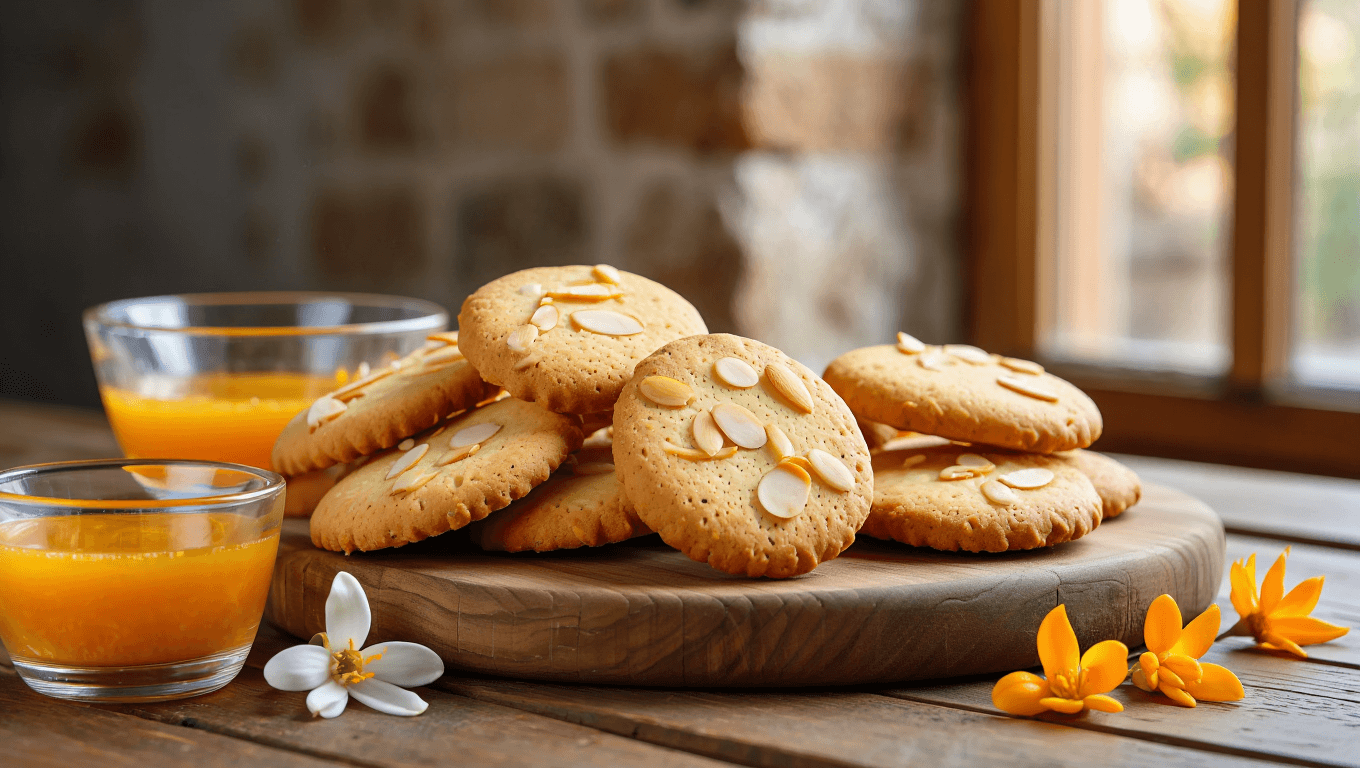
For centuries in Italy, the weeks before Easter have inspired recipes that respect religious fasting while celebrating flavor. In Genoa, a delicate almond biscuit known as biscotti quaresimali grew out of that need. Simple to the eye, rich in history and scent, these cookies marry few ingredients into a refined treat.
How Lent shaped a Genovese baking tradition
During Lent, Catholic rules limited rich foods. That dietary restraint pushed Italian bakers to invent a “cucina di magro”—a lean cuisine that avoids butter and heavy fats. From that tradition came special cookies made without butter, and originally without eggs or wheat.
In Genoa, the recipe took hold in convents and bakeries. The biscuits became known as quaresimali, from the Italian word for Lent. Over time they spread beyond religious circles and became a local specialty.
What makes Genoese quaresimali different
At the heart of these biscuits are blanched almonds and a fragrant floral note. Their texture is tender but not crumbly. The flavor profile relies on two elements:
- High-quality almonds, finely ground to a soft, dry powder.
- Orange blossom water—a subtle aroma that lifts the almond and defines the cookie.
Modern versions often add a single egg white to bind the dough. That small change makes shaping easier while keeping the original lightness.
Traditional shapes and ways to enjoy them
Genoese bakers present quaresimali in a few classic shapes. Each form offers a different texture and look.
- Crowns: small rings typically decorated with sugar pearls.
- Diamonds: paired two-by-two with a thin spread of citrus or fig jam.
- Disks: sometimes hollowed slightly and glazed with a thin layer of flavored icing.
The purest style, however, keeps the surface unglazed. In that version, the almond and orange blossom take center stage.
Ingredients and equipment for about 20 biscuits
- 300 g blanched almonds
- 300 g icing sugar
- 1 large egg white
- 1½ tablespoons orange blossom water
- White or colored sugar pearls (optional)
- 3 tablespoons orange, lemon, or fig jam (for assembling diamonds)
Use a food processor for the almonds and icing sugar, but pulse gently to avoid warming the nuts. A marble board or a work surface dusted with icing sugar helps with rolling.
Step-by-step method to shape and bake
- Pulse almonds and icing sugar until you get a very fine powder.
- Add orange blossom water and mix to combine the aroma evenly.
- Stir in the egg white a little at a time until the dough is soft and workable.
- Dust the surface generously with icing sugar and roll the dough to about 1 cm thick.
- Cut out crowns, diamonds, or disks with cutters.
- Place cookies on a baking sheet lined with parchment, spaced apart.
- For crowns, brush lightly with orange blossom water and sprinkle sugar pearls.
- Cover with a damp cloth and let them rest for a few hours to dry slightly.
- Bake at 160°C (320°F) for 8–10 minutes. The biscuits should remain very soft to the touch.
- Let them cool; they will firm up as they dry. Join diamonds with a thin layer of jam.
Practical tips for texture and storage
Pulsing the almonds avoids releasing their oils. Keep the egg white just loosened with a fork and do not whip air into it. If the dough feels too sticky, add a little more icing sugar.
Store the baked cookies in an airtight tin. They keep for several days and often improve as they dry just a bit.
Small variations to experiment with
- Swap orange blossom water for a touch of lemon or rose water for a different aroma.
- Try whole almond halves on top of disks for a rustic look.
- Use different jams between diamonds: fig is traditional, but citrus adds brightness.
Similar Posts:
- Discover Leckerlis: The Ultimate Guide to Switzerland’s Traditional Treats!
- Cinnamon stars: secret recipe for Germany’s beloved Christmas cookie
- Gazelle horn cookies: expert reveals secrets for perfect results
- Mardi Gras beignet recipe tops searches in France: here’s why
- Easter blossom cookies: make show-stopping floral treats in 30 minutes