
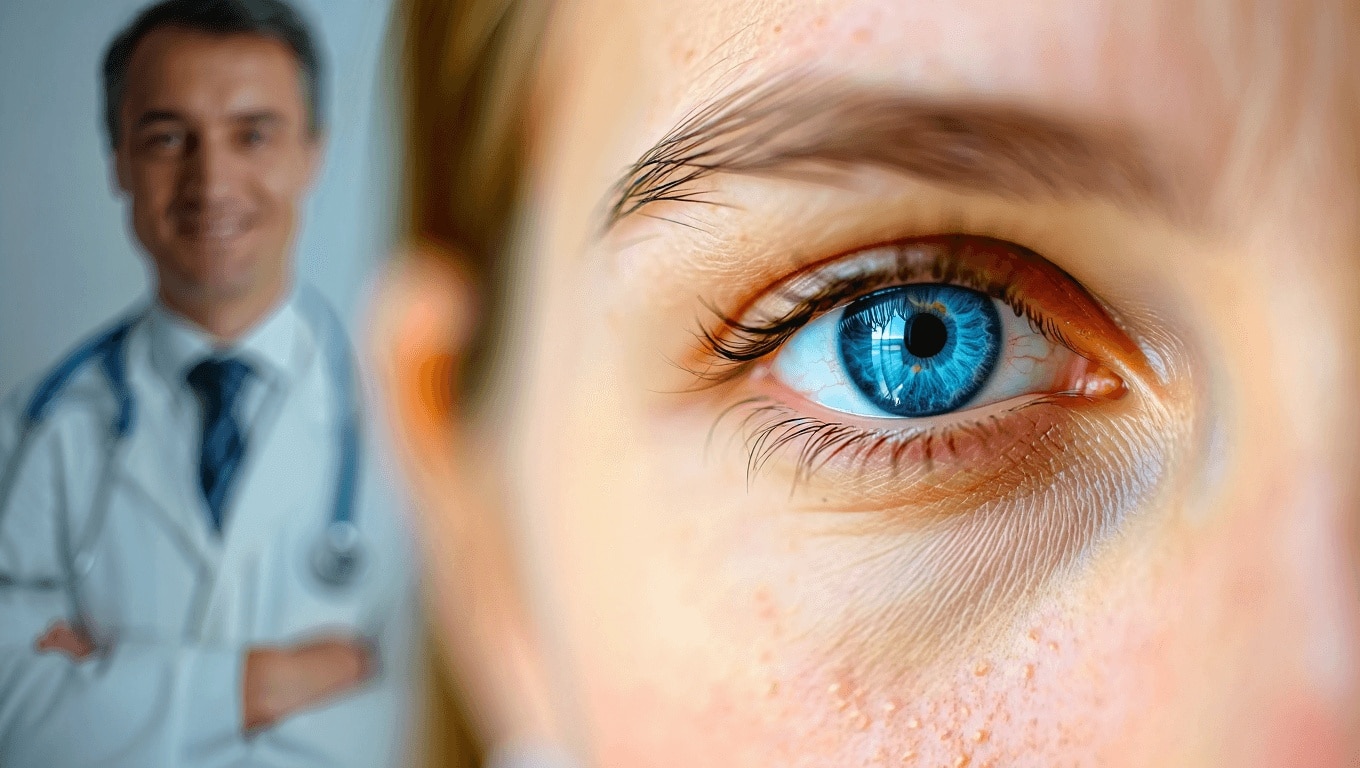
New data suggest medications built on tirzepatide — sold as Mounjaro for diabetes and as Zepbound for weight control — could reduce the chance that people with diabetes develop sight-threatening eye disease. Researchers and clinicians are watching closely, as these drugs reshape treatment for diabetes and obesity and may also affect long-term eye health.
What the emerging evidence shows about tirzepatide and the diabetic eye
Analyses from recent trials and early real-world reports point to a possible link between tirzepatide use and lower rates of diabetic eye problems. The signal is not a definitive proof yet. But the consistency across different data sources has generated interest.
- Patients on tirzepatide tend to have larger drops in blood sugar and body weight.
- Improved metabolic control can, over time, reduce microvascular complications.
- Several studies now report fewer new diagnoses of diabetic retinopathy or slower progression.
These findings are preliminary. Larger, dedicated studies are still needed to confirm whether tirzepatide itself protects the retina or whether benefits come from better diabetes control overall.
Why researchers think tirzepatide might help protect vision
Scientists propose several plausible mechanisms that could link tirzepatide to lower eye disease risk.
- Better glycemic control: consistent lowering of blood sugar is a central factor in preventing retinopathy.
- Weight loss and improved cardiovascular risk: losing weight often reduces inflammation and blood pressure.
- Direct metabolic effects: dual GIP/GLP-1 activity may influence retinal cells and blood-vessel function.
Together, these changes could slow the small-vessel damage that leads to diabetic retinopathy. But proving a direct, drug-specific protective effect requires targeted ophthalmic endpoints in trials.
What clinicians and patients should know now
Doctors are balancing potential benefits with known risks. Tirzepatide improves many measures important to eye health, but early and rapid glucose lowering has historically been linked to temporary worsening of retinopathy in some patients.
- Discuss baseline eye status before starting tirzepatide.
- Maintain recommended retinal screening intervals.
- Report any sudden visual changes immediately.
Patients should not stop routine eye exams because medication may change risk over time. Personalized care plans remain essential.
Safety signals and side effects that matter for the eye
While tirzepatide’s common side effects are gastrointestinal, eye-specific concerns center on glycemic shifts and vascular effects.
- Rapid HbA1c reduction can in rare cases worsen retinopathy early on.
- Long-term data on retinal outcomes are limited but growing.
- Ophthalmologists may increase monitoring for high-risk patients who start tirzepatide.
Clinicians should weigh benefits in glucose and weight control against the need for vigilant retinal surveillance during treatment changes.
Practical tips for patients with diabetes considering tirzepatide
- Ask your doctor how tirzepatide affects both blood sugar and eye health.
- Get a retinal exam before initiating therapy.
- Keep follow-up eye appointments, especially during the first months of therapy.
- Tell your clinician about any vision changes or new eye symptoms.
Open communication between your diabetes team and eye specialist can reduce risks and help tailor monitoring.
What researchers are planning next
To move from suggestive signals to clear guidance, researchers are designing trials and registries focused on eye outcomes. Key goals include:
- Tracking rates of new or worsening diabetic retinopathy over years.
- Comparing tirzepatide to other glucose-lowering agents on retinal endpoints.
- Exploring biological mechanisms in laboratory and imaging studies.
These efforts will help determine whether the observed benefits are drug-specific or arise from improved metabolic control in general.
Similar Posts:
- GLP-1 weight-loss drugs may cause vision loss: what to know
- Physical inactivity linked to deadly diabetes complications: stroke and blindness risk surges
- Ozempic, Mounjaro and other GLP-1s cut stroke and heart risk: study
- GLP-1s like Ozempic, Mounjaro may cut fracture risk in type 2 diabetes
- Mounjaro, Zepbound cut death risk in people with serious heart conditions

Cole is a passionate vegan dessert artist with a knack for turning indulgent classics into plant-based masterpieces. His sweet creations are where flavor meets conscious living.