
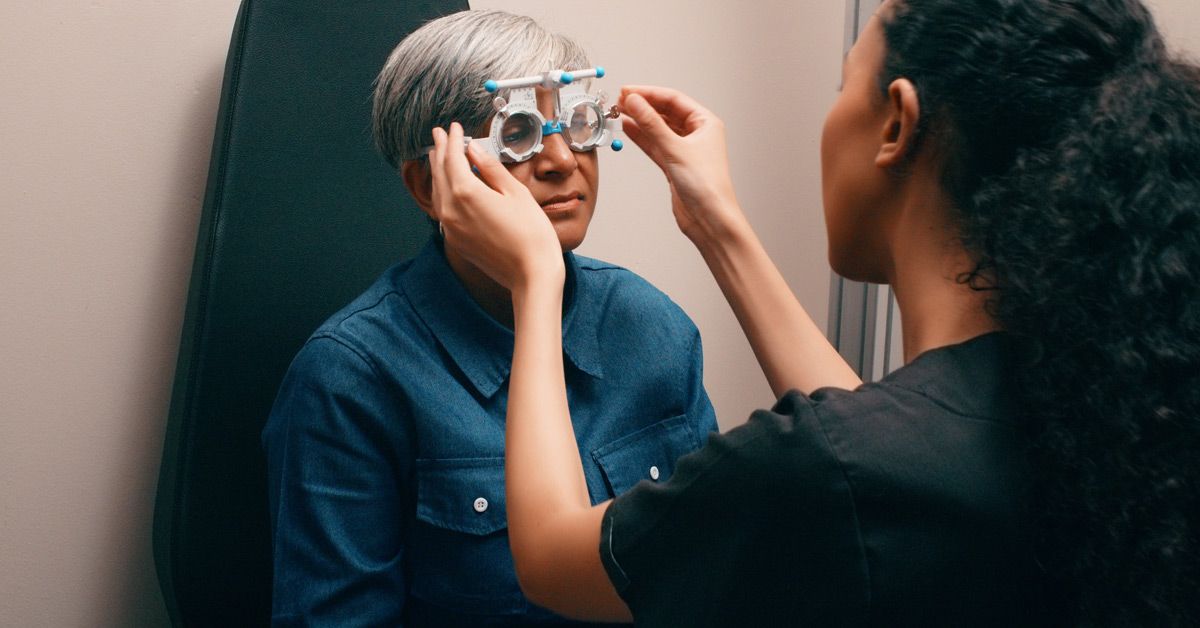
As GLP-1 drugs such as semaglutide and tirzepatide become more common, questions about their effect on the eyes are increasing. Recent studies offer mixed signals, prompting doctors and patients to weigh clear benefits against potential, if rare, vision risks.
New research: what recent studies say about GLP-1 drugs and vision
Several large analyses published this year examined links between GLP-1 receptor agonists and serious eye problems. The studies used different designs and reached different conclusions.
- Large retrospective cohort (JAMA Network Open): nearly 160,000 people with type 2 diabetes were followed for two years. Those taking semaglutide or tirzepatide had higher rates of NAION and related optic nerve disorders than patients on other diabetes drugs.
- Another retrospective cohort (JAMA): in a separate group with type 2 diabetes, GLP-1 use was not tied to more NAION but showed a small rise in new diabetic retinopathy cases. Yet patients on GLP-1s with pre-existing retinopathy seemed less likely to experience severe progression or blindness.
- Meta-analysis (JAMA Ophthalmology): a review of 78 randomized trials with over 73,000 participants linked semaglutide to a higher incidence of NAION, but overall evidence of a direct causal link remained uncertain.
Important context: all three studies report associations, not proof of causation. Most research focused on people with type 2 diabetes, so results may not apply to those taking GLP-1 drugs solely for weight loss.
Eye conditions under scrutiny and what they mean for vision
Experts are particularly focused on three conditions mentioned across studies. Each carries its own risks and clinical considerations.
NAION — sudden optic nerve injury
Nonarteritic anterior ischemic optic neuropathy causes abrupt vision loss in one eye, often noticed on waking. It results from impaired blood flow to the optic nerve.
- NAION is uncommon in the general population.
- Some analyses found a higher number of NAION cases among GLP-1 users, but numbers remain low.
- Clinicians caution that a direct causal link is not proven and that higher vigilance may be appropriate for patients with existing vascular risk factors.
Diabetic retinopathy — progression and paradoxes
Diabetic retinopathy is damage to retinal blood vessels caused by diabetes. It is a leading preventable cause of vision loss.
- One study found a modest increase in new diabetic retinopathy diagnoses among GLP-1 users over two years.
- Paradoxically, GLP-1 use was associated with lower rates of severe progression and fewer vision-threatening complications in people who already had retinopathy.
- Action point: patients with diabetes should maintain regular retinal checks, and clinicians may shorten follow-up intervals after starting GLP-1 therapy.
Neovascular (“wet”) age-related macular degeneration
Wet AMD occurs when abnormal blood vessels leak near the macula and cause rapid vision loss.
- A study reported a greater than twofold higher rate of wet AMD in GLP-1 users with type 2 diabetes, with a dose-response signal.
- The association needs confirmation in additional studies before any firm conclusions can be drawn.
- Patients with existing wet AMD may warrant closer monitoring if prescribed a GLP-1 drug.
How clinicians are balancing benefits and eye-safety concerns
GLP-1 receptor agonists deliver proven benefits: meaningful weight loss, improved glucose control, and lower cardiovascular risk. That makes their risk profile a nuanced topic.
- Doctors examine each patient’s overall health, eye disease history, and vascular risk when prescribing GLP-1s.
- Rapid improvements in blood sugar can, in some cases, unmask or temporarily worsen retinal issues.
- Recommended approach: more frequent eye evaluations for high-risk patients and those who experience swift glycemic changes after starting therapy.
Practical steps patients can take now
If you take or are considering a GLP-1 medicine, consider these actions to protect your vision.
- Discuss eye risks and benefits with your prescribing clinician before starting therapy.
- Schedule a baseline eye exam, especially if you have diabetes, hypertension, or a history of retinal disease.
- Watch for sudden vision changes, such as blurred vision or dark spots, and report them immediately.
- If you already have diabetic retinopathy or wet AMD, ask your eye doctor if follow-up visits should be more frequent.
- Understand that current data mainly involve people with type 2 diabetes; evidence for weight-loss users is limited.
Questions to raise with your care team
Bring clear questions to appointments so you and your provider can make informed choices.
- How does my personal risk for optic or retinal disease affect the choice of medication?
- Would starting a GLP-1 change the schedule for my eye exams?
- If I notice vision changes, who should I contact first — my endocrinologist or my eye specialist?
- Are there specific warning signs that require immediate evaluation?
Similar Posts:
- GLP-1 Diabetes Drugs May Cause Vision Loss: New Study Links to Macular Degeneration
- Mounjaro, Zepbound could cut diabetic eye disease risk
- Physical inactivity linked to deadly diabetes complications: stroke and blindness risk surges
- Wegovy may raise risk of eye stroke and vision loss vs Ozempic
- Metformin may prevent age-related vision loss: a possible breakthrough to stop blindness

Cole is a passionate vegan dessert artist with a knack for turning indulgent classics into plant-based masterpieces. His sweet creations are where flavor meets conscious living.