
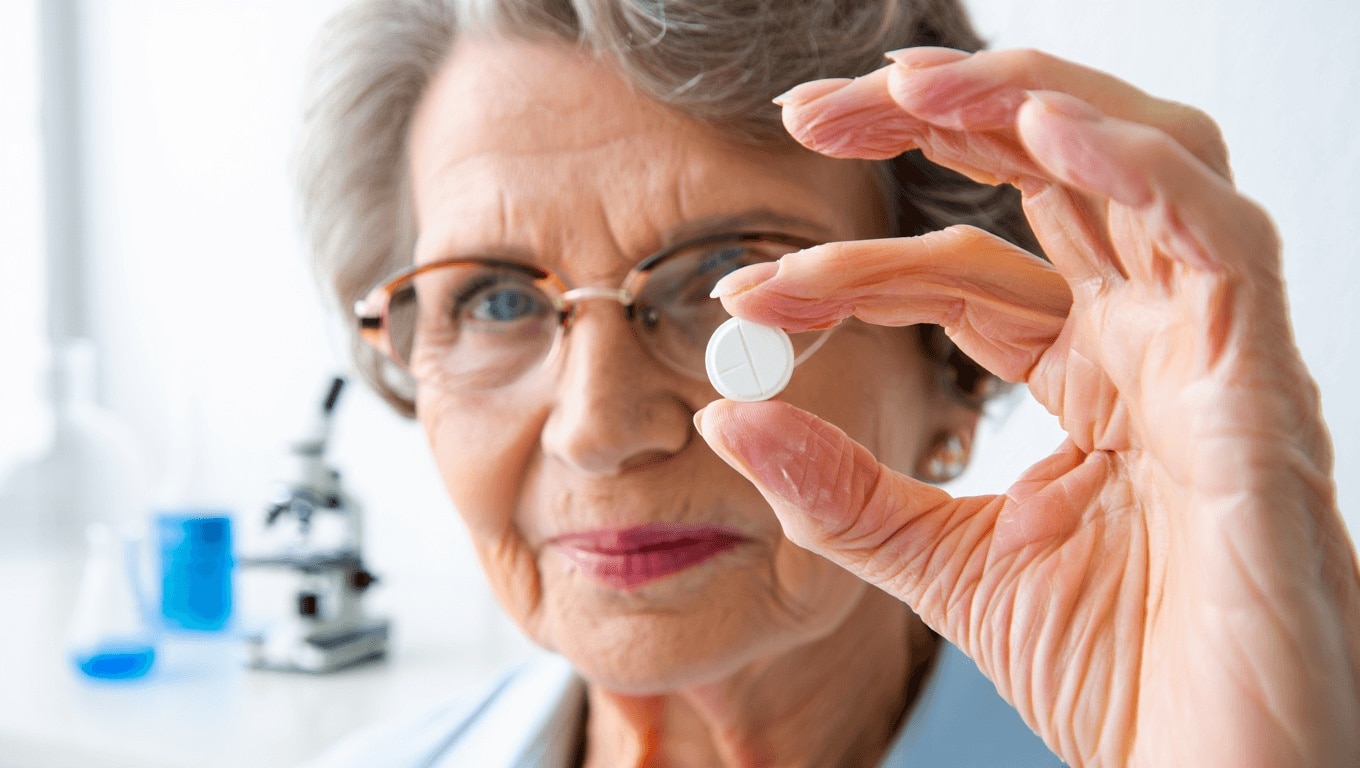
New research suggests a common diabetes drug could offer unexpected protection against age-related vision decline. Scientists are exploring metformin as a possible therapy to slow or prevent forms of macular degeneration that lead to blindness. Early findings mix lab work and population data, and they have sparked interest in clinical trials to test whether this inexpensive medicine can preserve sight.
What scientists are observing about metformin and eyesight
Several studies have reported an association between metformin use and lower rates of age-related macular degeneration (AMD). These observations come from large medical record reviews and from laboratory experiments on retinal cells and animal models. While the data are promising, researchers emphasize that association does not equal proof.
Key patterns in the data
- Population analyses show fewer AMD diagnoses among people on metformin, compared with those who use other diabetes medicines.
- Preclinical studies indicate metformin may protect photoreceptors and retinal pigment epithelium from stress.
- Laboratory work points to biological effects that could slow the processes behind vision loss.
How metformin might protect the aging eye
Researchers are investigating several biochemical pathways that could explain metformin’s protective signals. The drug appears to act beyond blood sugar control.
- Energy and metabolism: Metformin activates AMPK, a cellular energy sensor that supports cell survival under stress.
- Reduced inflammation: The drug may dampen inflammatory responses that contribute to retinal damage.
- Enhanced cellular cleanup: Metformin can stimulate autophagy, helping clear damaged proteins and organelles.
- Oxidative stress protection: Some studies suggest the drug lowers harmful oxidative damage in retinal tissue.
Evidence from people and from the lab
Population and medical-record studies
Retrospective analyses of medical records and insurance data have repeatedly flagged lower AMD rates in metformin users. These studies adjust for factors like age, diabetes severity, and other medications. Still, confounding factors could partly explain the link. For example, healthier patients or those with different care patterns might be more likely to receive metformin.
Cell cultures and animal experiments
In cell and animal models, metformin has shown protective effects on retina cells exposed to stressors that mimic aging. These experiments provide a plausible biological basis for the observational findings. However, animal results do not always predict human outcomes.
Where clinical research goes from here
Given the low cost and long safety record of metformin, researchers are calling for randomized trials focused on AMD and age-related vision loss. Such trials can test whether metformin truly slows disease progression and protects sight.
- Randomized, placebo-controlled trials are needed to establish cause and effect.
- Researchers will test different doses and study groups with early or intermediate AMD.
- Investigators also aim to identify biomarkers that show whether the drug reaches retinal targets.
What patients should know now
Do not start metformin for eye protection without medical advice. Metformin is a prescription drug with side effects. Common issues include gastrointestinal upset and vitamin B12 deficiency. Rarely, it can cause lactic acidosis in people with certain conditions.
- If you have AMD or are at risk, discuss current proven options with your eye doctor.
- Existing care includes lifestyle changes, AREDS supplements for some patients, and anti-VEGF injections for wet AMD.
- Ask your physician about clinical trials if you are interested in experimental approaches.
Implications for public health and vision care
If randomized trials confirm benefit, metformin could offer an affordable, widely available tool to reduce age-related blindness. That would be especially meaningful in regions with limited access to advanced eye care. For now, the research raises hope but calls for careful, controlled testing.
Similar Posts:
- Wegovy may raise risk of eye stroke and vision loss vs Ozempic
- GLP-1 weight-loss drugs may cause vision loss: what to know
- Mounjaro, Zepbound could cut diabetic eye disease risk
- Breast cancer risk may be cut by Ozempic and other GLP-1s: how they work
- Viagra ingredient could halt cancer spread

Cole is a passionate vegan dessert artist with a knack for turning indulgent classics into plant-based masterpieces. His sweet creations are where flavor meets conscious living.