
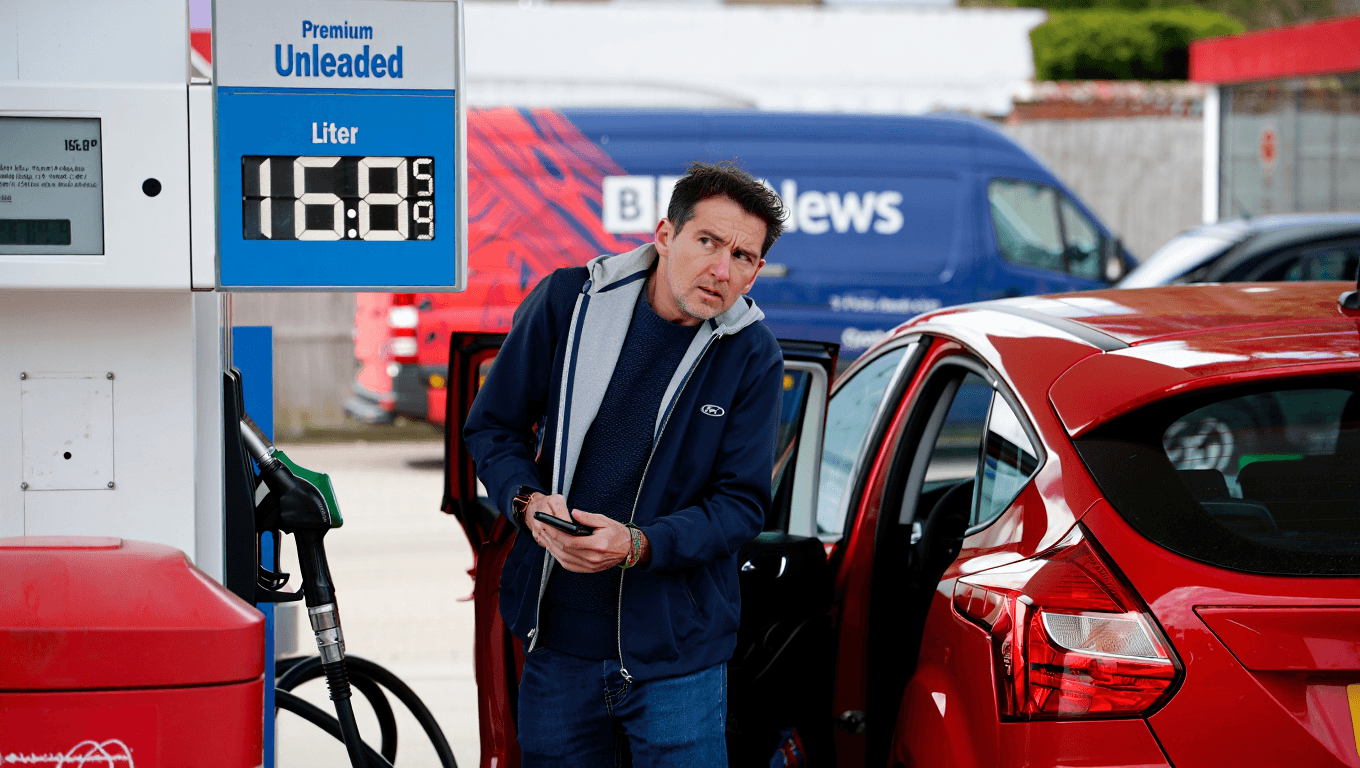
Oil prices jumped sharply this week as traders reacted to fresh signs of a widening US‑Iran confrontation and the threat to shipping through the Strait of Hormuz. Brent crude briefly climbed above $126 a barrel before easing, a level not seen since the turmoil following Russia’s 2022 invasion.
Why oil shot up: military plans and shipping fears
Markets moved fast after media reports that US Central Command has drawn up options for quick, targeted strikes on Iranian assets. Those contingency plans include hitting infrastructure and, in one scenario, securing parts of the Strait of Hormuz to protect commercial shipping.
That prospect of military action pushed traders to price in large supply disruptions. Even short-term threats to the strait can trigger sharp volatility in oil markets.
How a closed strait would choke global supply
The Strait of Hormuz is a vital corridor for oil exports. Shippers say closure or partial closure would remove millions of barrels from the market each day.
- Estimated impact: roughly 20 million barrels per day could be affected if the waterway is blocked.
- Immediate result: higher benchmark crude prices and tighter physical markets.
- Secondary effects: shipping insurance costs and rerouting time would rise quickly.
Analysts warn that a sustained disruption could push prices much higher. Oxford Economics suggested a prolonged closure might send oil toward $190 per barrel within months.
Political rhetoric adding fuel to the fire
Comments from senior political figures intensified market nerves. The tone from Washington suggested pressure would continue, and some policymakers signalled that a blockade could be maintained as leverage.
That rhetoric raises the risk of escalation even without immediate strikes. Traders treat political brinkmanship as a real cost to future supply.
Markets and macro reaction: bonds, stocks and inflation concerns
Financial markets reacted across asset classes as oil climbed. Yields on government bonds rose, reflecting higher inflation expectations and growth worries.
- UK 10‑year gilt yields moved above 5% — the highest in many years.
- German Bund yields climbed to levels not seen since the early 2010s.
- Equities fell in Asia and Europe as investors weighed higher energy costs.
Economists now warn of a renewed stagflationary threat. Rising oil is increasing the chance of slower growth and faster inflation at the same time. Some commentators say a prolonged closure could make a global recession more likely.
Direct hit to household bills and living costs in the UK
British households are already feeling the squeeze as fuel and energy costs climb.
- Average working‑age households could be about £480 worse off this year, according to independent analysis.
- Filling a typical 55‑litre petrol car now costs roughly £14 more than before the crisis.
- Diesel per tank has risen by around £27 for the same journey.
On the mortgage front, the typical two‑year fixed rate has increased notably. Financial data show the average deal moved from under 4.9% to nearly 5.9% in recent weeks.
Energy regulator forecasts also point higher. Cornwall Insight expects the next price cap to lift the typical dual‑fuel bill to about £1,836 a year, up from about £1,641.
Wider economic cost and corporate winners
Think‑tank estimates suggest the UK economy could face tens of billions in lost output this year if the shock persists. The combination of higher costs and squeezed real incomes could dent consumer spending and growth.
At the same time, some oil and gas firms are seeing a windfall. Higher crude prices have translated into sharp profit gains for major producers.
What experts are saying and possible scenarios
- Scenario 1 — Short, limited strikes: brief market shock, price spike, quick easing.
- Scenario 2 — Temporary control of shipping lanes: extended disruption, major price rally, inflationary pressure.
- Scenario 3 — Prolonged closure: large supply deficit, global recession risks, sustained high energy costs.
Economists emphasise the uncertainty. Small differences in the duration of disruption can alter price forecasts dramatically.
Key indicators investors and households should watch
- Daily Brent crude price moves and volatility measures.
- Reports on shipping activity through the Strait of Hormuz.
- Statements from US and Iranian officials about military options or de‑escalation.
- OPEC member decisions, including any supply policy shifts.
- Bond yields and central bank comments on inflation risks.
Similar Posts:
- Petrol prices to hit record highs for British drivers: Iran crisis threatens chaos
- Diesel prices could top £2.50: Trump mulls US fuel export ban
- Housing market indicators turn red: John Healey’s budget can’t come soon enough
- Britain faces fuel disaster: Trump threatens diesel export ban at UN
- UK cheapest supermarket revealed: food inflation pushes prices up 5.1%

Naomi is a clean beauty expert passionate about science-driven skincare and natural remedies. She demystifies ingredients and shares routines that empower readers to glow — naturally.