
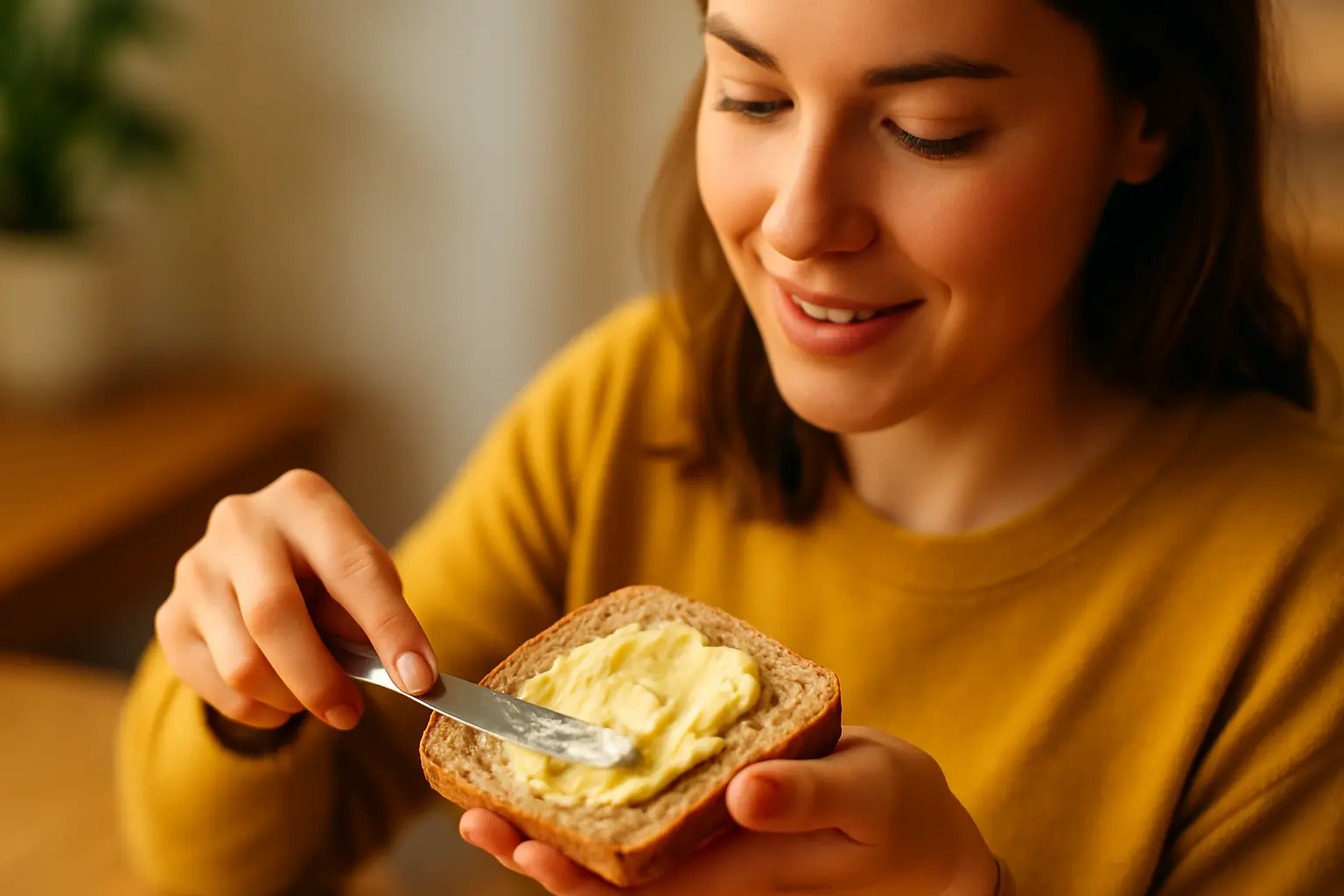
Butter: delicious comfort of breakfasts, backbone of flaky pastries, and, let’s be honest, occasionally a guilty pleasure glob on warm bread. But how well do you really know what’s lurking inside that pleasing golden block from the supermarket? An eye-opening study by the magazine 60 Millions de consommateurs has revealed the sobering reality behind many of the widely available butters—and why it might be time to rethink your next purchase.
The Disappearing Art of Traditional Butter
Let’s start with nostalgia. Remember the image of a wooden churn, handled by a sturdy farmhand, transforming fresh cream into butter through sheer elbow grease? Well, keep those memories safe. According to 60 Millions de consommateurs, that era is but a memory when it comes to industrial butter. Most supermarket butters are now produced with butyrators—a far cry from the rustic wood barrels still romanticized on packaging.
Even when some brands boast of “traditional methods”—including cream maturation for 10 to 20 hours—beware: these claims deserve a critical eye. Packaging designed to reassure you with heritage references may harbor a reality that’s anything but artisanal.
The Fat Content Swindle: 60% When It Should Be 80%
Here’s a little food for thought (pun fully intended). That exciting new butter promising deliciousness and perhaps even the lean lifestyle contains only 60% dairy fat—far below the European legal minimum of 80%. This is not just a minor detail; it flagrantly violates the regulations and risks misleading the unwary consumer. A difference of this size isn’t just a blip. It’s a nutritional trapdoor.
The pursuit of lighter butter comes at a cost. “Lightness has a price,” the report warns. Butter martyrs itself on the altar of calorie reduction by embracing a catalogue of additives:
- Modified cassava starch
- Various emulsifiers
- Preservatives
None of these ingredients live up to that health halo implied by the word “light.” They lurk behind the packaging, quietly deflating the glorious simplicity of butter. And the problem doesn’t stop there. Even brands that have tweaked their recipes dump in ingredients like starch, all while brandishing a “no additives” claim front and center. Such inconsistencies raise big questions about transparency, and whether the information being presented to consumers is trustworthy. After all, is a butter with added starch truly additive-free?
Don’t Be Fooled: Navigating Labels, Claims, and the Illusion of Purity
The aisles are teeming with choices branded as “light,” “reduced fat,” or “healthy.” But proceed with caution. While those watching their calorie intake might feel inclined to reach for these, the reality—according to the study—is not as sunny as the packaging looks. Additives can easily sneak into these varieties as manufacturers try to mimic the texture and mouthfeel lost when cutting back on good old dairy fat.
Instead, what’s the smart way forward? Opt for butters that respect real dairy fat standards—ideally between 80% and 90%. While even AOP-labeled butters (those carrying Protected Designation of Origin) may be made in modern facilities, their production still guarantees strict adherence to criteria for craftsmanship and geographical origin. You’re ensured of:
- Milk sourced from designated regions
- Cream adequately matured for depth of flavor
That’s a bite of tradition with none of the trickery.
Small Choices, Big Impact: Beyond Just Your Health
This is about more than your morning toast. Every time you select a butter that sticks to its roots—rich in authentic dairy fat and free of unnecessary additives—you’re not just being kind to your own health. You’re also championing responsible manufacturing, pushing the food industry toward higher, clearer standards. Your choices can ripple outward, influencing industrial practices and nudging producers towards transparency and respect for what real butter should be.
So next time you’re browsing the chilled aisle looking for that perfect slab, pause and check the label. Skip the additive-laden, 60% fat imposters. Reach instead for those that keep it simple, honest, and anchored in the science (and joy!) of proper butter. Your taste buds—and your body—will thank you.
Similar Posts:
- Black Coffee Boosts Heart Health: New Study Reveals Surprising Benefits!
- Lazy Day Recipe: Adrien Cachot’s Peanut Pasta Perfect for Post-Party Recovery!
- Britons Celebrate: Top Beauty Brands Now Available at Morrisons – ‘Best Body Care in Town!’
- Healthy cheap chocolate cake: Dr Jimmy Mohamed’s easy, delicious recipe
- This food cuts 36 minutes off your life every time you eat it – here’s why

Theo is a dynamic fitness coach who brings energy, realism, and flavor to healthy living. His content is about strong bodies, positive minds, and meals that fuel both.