

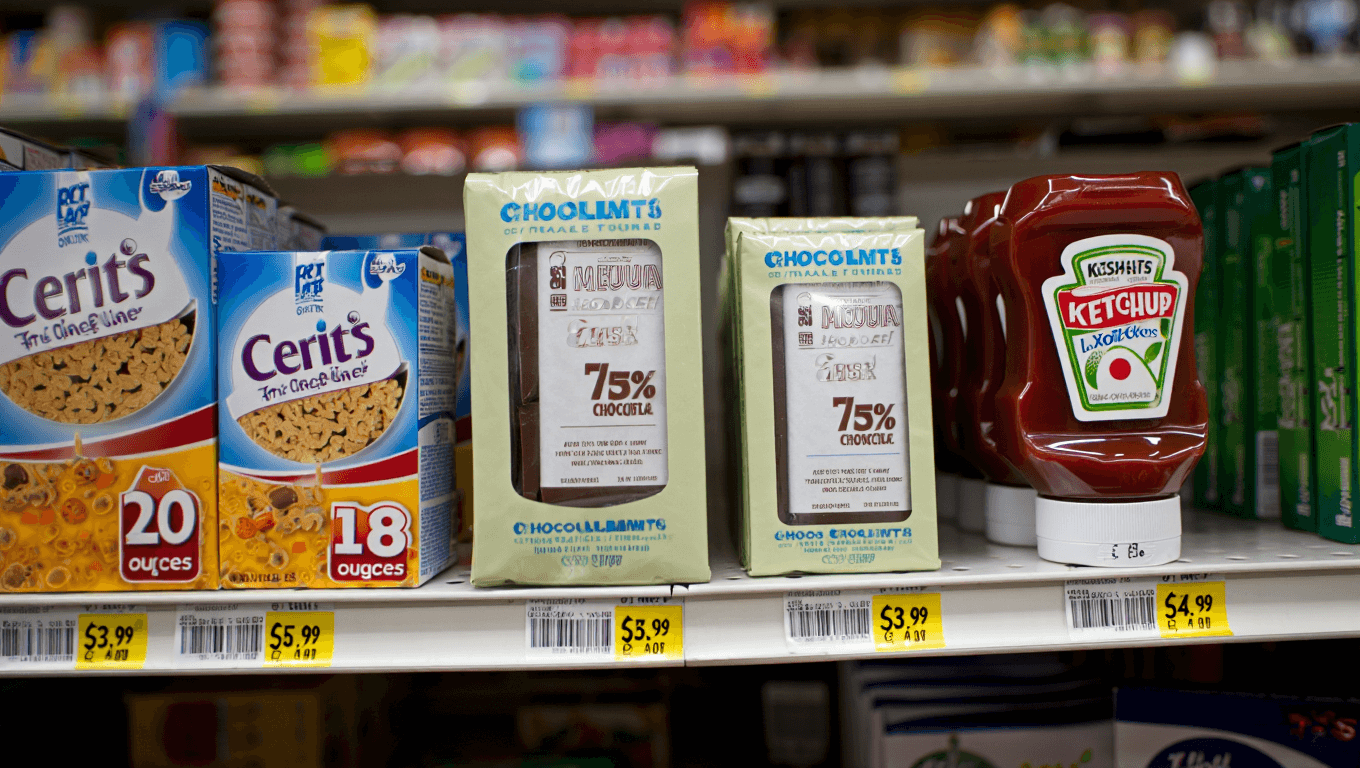
Consumers increasingly face subtle product changes that hide steep price rises. Foodwatch has named a new tactic “stretchflation” to describe how brands tweak packaging to mask higher costs. The practice stretches the product but stretches the price even more, leaving shoppers paying more for very little extra.
Stretchflation explained: what the term means and why it matters
The word comes from “stretch” and “inflation.” It describes a strategy where a product’s weight or size is increased slightly. At the same time, the price is raised by a much larger margin.
In short: a small jump in quantity, a large jump in price.
- Labels advertise “bigger format” or “new, more generous pack.”
- Retail tags rarely show the proportional price change.
- Many shoppers focus on the visible pack and miss the higher cost per kilo.
How supermarkets and packaging help hide the real price
Packed shelves and colorful claims draw the eye. Consumers see “more content” and assume better value. Few stop to compare unit prices.
- Retailers still display the final price but not every shopper checks the price-per-kilo.
- Manufacturers rely on the visual appeal of a larger pack to justify higher prices.
- The result: the perceived value increases, while the real cost to the buyer goes up.
Concrete cases flagged by Foodwatch: familiar brands under scrutiny
Foodwatch published several examples showing how small size changes masked bigger price hikes. The association compared pack weights with price-per-kilo shifts.
Selected examples and the numbers
- Lustucru gnocchis “extra fromage”: the pack moved from 285 g to 300 g. That is about a 5% increase in weight. The price per kilo rose from €6.79 to €8.07, nearly a 19% jump.
- Mikado biscuits: the box grew by roughly 11% in size, while the price per kilo climbed about 18%.
- Kühne pickles: the jar increased from 185 g to 190 g, a small 2.7% gain. Yet the price rose by almost 28% per kilo.
These figures show the pattern: quantity changes are modest. Price hikes are not.
What companies told Foodwatch when questioned
When Foodwatch contacted the manufacturers, they confirmed changes to pack sizes or formats. They did not openly address the pricing increases in the same exchanges.
Brands acknowledged packaging changes, but the price issue remained largely unaddressed.
How shoppers can protect their budget
Being aware helps avoid paying more for what looks like more.
- Always check the unit price (price per 100 g or per kilo).
- Compare with older receipts or photos of past packs.
- Watch for packaging claims like “new format” and verify the math.
- Favor products where brands are transparent about price changes.
Similar Posts:
- Nestlé tweaks Toffee Crisp and Blue Riband recipes: Britons vow they won’t buy again
- Morrisons allergy recall: do not eat mislabelled crisps after urgent warning
- Asda shoppers warned: do not eat items containing plastic or metal fragments
- Sainsbury’s contamination: shoppers must act now
- Kendall Jenner tote spotted in Japan: buy the always-sold-out lookalike while it’s in stock