
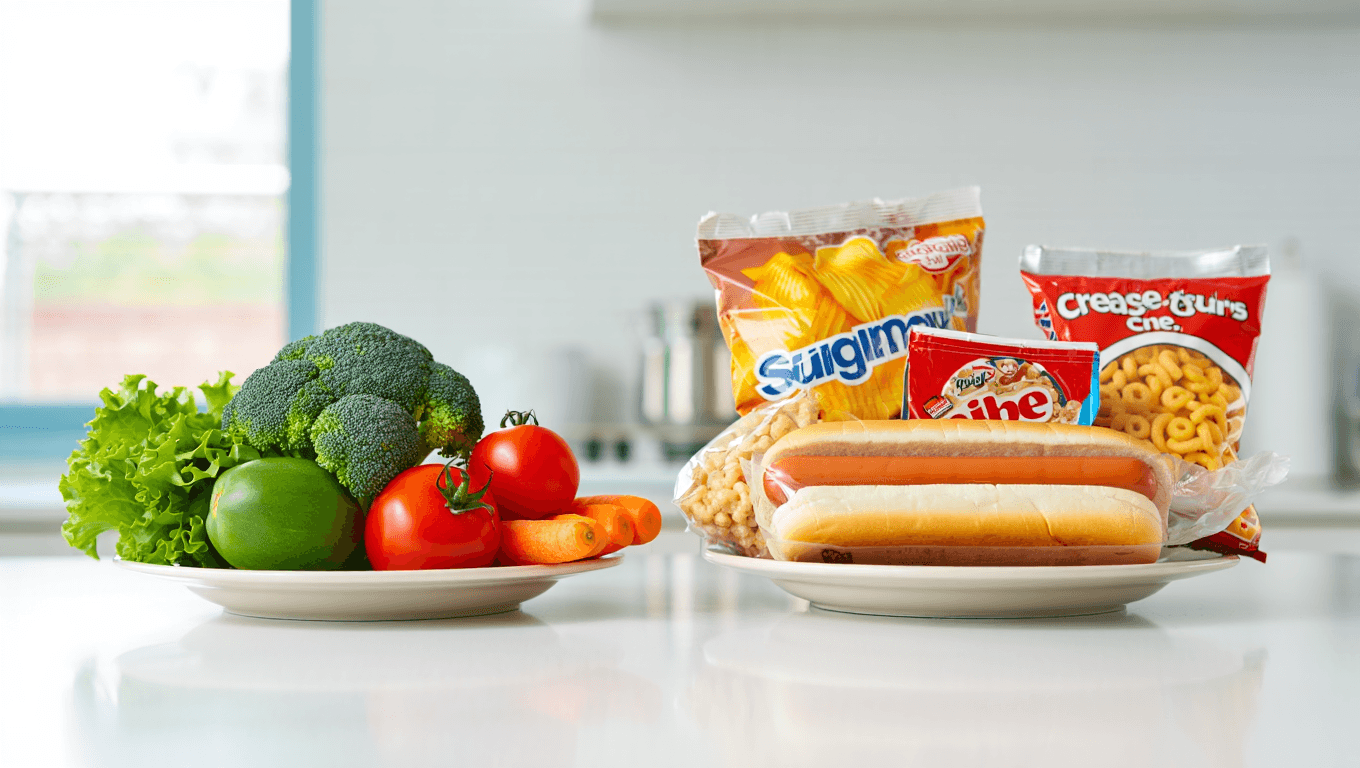
New evidence is sharpening the link between diets high in ultra-processed foods and a greater chance of developing heart disease. Researchers and nutrition experts now say small, practical changes — not drastic dieting — can reduce risk. This article breaks down the science and offers realistic food swaps you can use today.
Evidence tying ultra-processed foods to heart disease
Multiple population studies have found that people who eat more ultra-processed foods tend to develop cardiovascular problems more often. These studies track thousands of participants over years. They compare diets, health records, and outcomes.
Higher consumption of ultra-processed items is associated with increased rates of heart attacks, stroke, and other heart conditions. The signal is consistent across diverse groups.
What counts as ultra-processed foods?
Ultra-processed foods are industrial formulations made mostly from substances extracted from foods. They include additives and little whole food content. Examples are ready meals, sugary drinks, packaged snacks, and many reconstituted meat products.
- Pre-packaged snacks and chips
- Sugary sodas and fruit drinks
- Instant noodles and ready-to-eat meals
- Processed meats like sausages and hot dogs
- Many breakfast cereals high in sugar and salt
How these foods may raise heart disease risk
There are several biological and behavioral pathways that could explain the link.
- High levels of added sugar and refined carbs can drive obesity and insulin resistance.
- Excess sodium and certain preservatives can raise blood pressure.
- Unhealthy fats and low fiber impair cholesterol and vascular health.
- Frequent reliance on ultra-processed products can reduce intake of fresh fruits and vegetables.
- Eating convenience foods often means larger portion sizes and more calories.
Evidence-based dietary swaps to lower cardiovascular risk
Replacing a few items can make a measurable difference. These changes are practical and sustainable.
- Swap sugary beverages for water, sparkling water, or unsweetened tea.
- Choose whole fruit instead of fruit-flavored drinks or canned fruit in syrup.
- Cook simple meals at home using whole ingredients rather than frozen ready meals.
- Replace processed meats with legumes, fish, or grilled poultry.
- Opt for whole grains like oats, brown rice, and whole-wheat bread instead of refined cereals and white bread.
- Snack on nuts, yogurt, or fresh vegetables instead of packaged chips and candy.
Small, consistent swaps can lower long-term risk. You do not need to eliminate every processed product to gain benefits.
Shopping and kitchen tips to make swaps stick
How to read labels
Look for short ingredient lists. Avoid products with many unfamiliar additives. Check sugar and sodium per serving.
Meal planning and prep ideas
- Prep grains and beans once a week to speed cooking.
- Keep frozen vegetables and berries on hand for quick sides and smoothies.
- Batch-cook sauces and soups to reduce reliance on packaged meals.
- Use spices and citrus to boost flavor without processed sauces.
Behavioral strategies to sustain healthier choices
Changing food habits is easier with small goals and routines. Try these approaches:
- Set a target to swap one ultra-processed item per week.
- Use a shopping list and stick to store perimeter aisles.
- Practice mindful eating to reduce impulsive purchases.
- Involve family members to share meal prep duties.
Gradual change is more sustainable than strict restriction. Over time, taste preferences shift and healthier options feel normal.
What clinicians recommend and how to discuss it with your doctor
Doctors and dietitians urge focusing on overall dietary patterns. They consider weight, blood pressure, cholesterol, and medical history when advising patients.
- Bring a typical food log to appointments for tailored guidance.
- Ask about realistic targets for weight, salt, and sugar reduction.
- Request referrals to a registered dietitian for meal planning help.
Similar Posts:
- Ultra-processed foods linked to diabetes risk: 3 diet facts you need to know
- Ultra-processed foods tied to higher type 2 diabetes risk: how to cut them
- Ultra-processed foods may raise risk of early-onset colorectal cancer in women
- Ultra-processed foods could damage your bones: here’s why
- Ultra-processed foods raise death risk in cancer survivors: major study shows

Cole is a passionate vegan dessert artist with a knack for turning indulgent classics into plant-based masterpieces. His sweet creations are where flavor meets conscious living.