
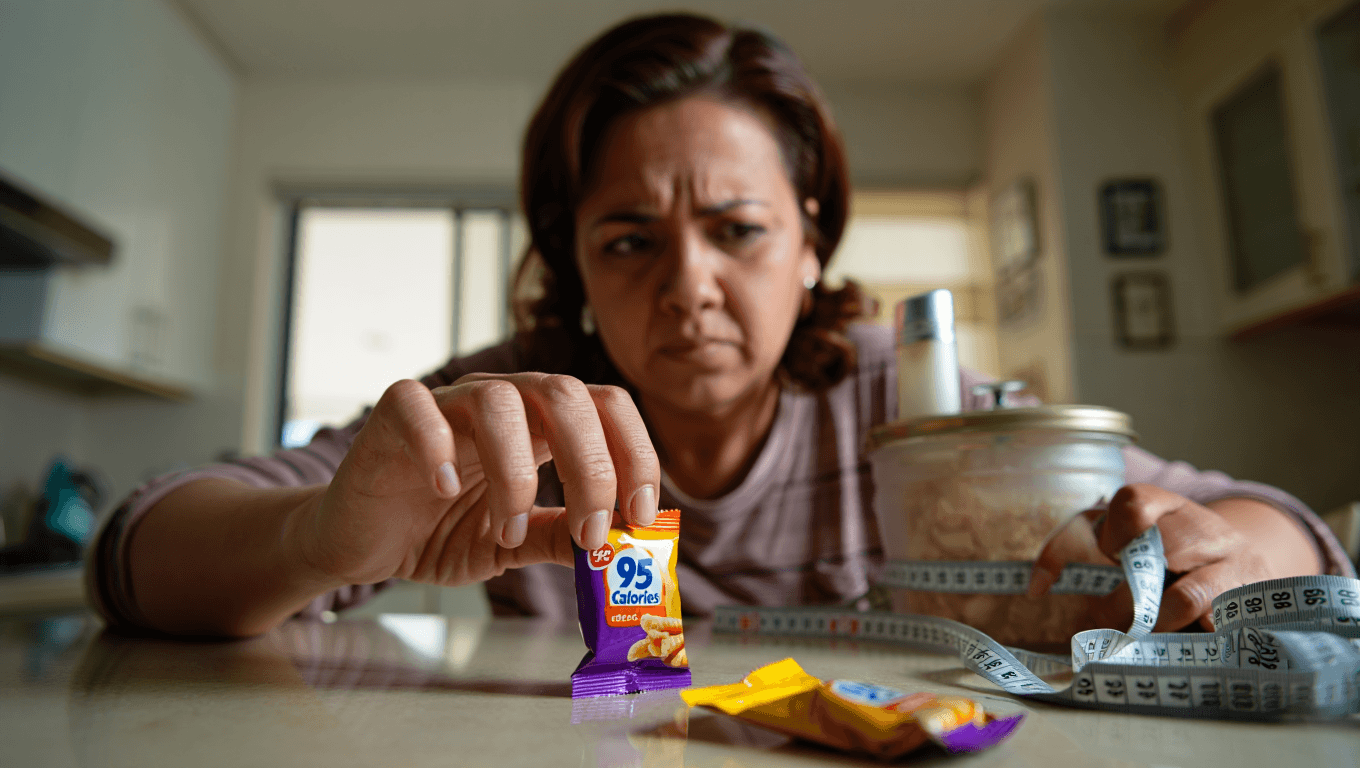
Many people trying to lose weight reach for snacks labeled “low-calorie” thinking they’re making smart choices. But what looks like a diet-friendly grab can sometimes be a hidden setback. Nutrition experts warn that tiny calorie counts don’t always translate to lasting fullness or real nutritional benefit.
Why “95-calorie” snacks can be misleading for weight loss
Products advertised with specific calorie counts can lure shoppers into a false sense of security. A small, packaged treat may contain very few calories yet offer little in the way of protein, fibre, or vitamins.
- Ultra-processed options often lack the nutrients that help the body feel satisfied.
- Eating such snacks may lead to eating again soon after, undermining calorie goals.
- Calorie number alone doesn’t measure quality.
Calorie-dense “healthy” fats: portion sizes matter
Experts remind dieters that foods commonly labeled healthy can still pack high calories. Nuts, avocado and olive oil are nutritious, but small servings add up fast.
Healthy fats are beneficial, but they are energy-dense. Without portion control, they can stall a weight-loss plan despite being wholesome choices.
Why focusing only on calories misses the bigger picture
Our daily energy needs change. Activity, sleep, illness, stress and hormonal cycles all affect how many calories we burn. That makes rigid calorie counting unreliable for many people.
Dietitians suggest prioritising nutrient density. Choose foods that combine quality carbohydrates, lean protein, fibre and some healthy fats to support fullness and nutrition.
Hidden sugars in fruit-flavoured yoghurts and similar goods
Some popular fruit yoghurts add substantial sugar to improve taste. In certain products, added sugar can approach the range of 13 grams per pot.
- That level of added sugar can be a large portion of the daily limit recommended for many people.
- Excess added sugar is linked to weight gain and long-term health risks.
- Reading ingredient lists can reveal whether sweetness comes from fruit or added sugar.
Plant-based burgers and the processing trade-off
Plant-based alternatives have helped many transition away from meat. But they are not automatically healthier than lean beef.
- Some meat-free burgers are high in sodium and saturated fat.
- Highly processed formulations can include additives and preservatives.
- Use plant-based options as part of a balanced shift, not as an automatic healthier swap.
Practical swaps and snack strategies that actually help
Rather than chasing low calorie labels, aim for combinations that satisfy hunger and nourish the body.
Quick rules to follow
- Prioritise protein: eggs, Greek yoghurt, canned fish, or lean poultry.
- Choose fibre-rich carbs: whole grains, legumes, fruits and vegetables.
- Control portions of fats: a small handful of nuts or a drizzle of olive oil.
- Swap sugary yoghurts for plain yoghurt with fresh fruit or a sprinkle of seeds.
- Check labels for added sugars, sodium and artificial additives.
Small habits that add up
Simple adjustments can change how snacks affect your hunger and calories over time. Pairing a modest amount of carbohydrate with protein and fibre is an easy way to extend fullness.
Protein, fibre and healthy fats keep you fuller longer. Making these the base of snack choices supports more sustainable weight control than fixating on a single calorie figure.
Similar Posts:
- Nuts could curb food cravings and aid weight management
- Mediterranean pre-dinner habit cuts meal calories by 10%: dietitian
- Long-term weight loss: 3 foods to eat freely for lasting results, dietitian says
- Diet quality vs calorie counting: which drives weight loss?
- TikTok’s 3-color rule: eating the rainbow can boost weight loss

Naomi is a clean beauty expert passionate about science-driven skincare and natural remedies. She demystifies ingredients and shares routines that empower readers to glow — naturally.