
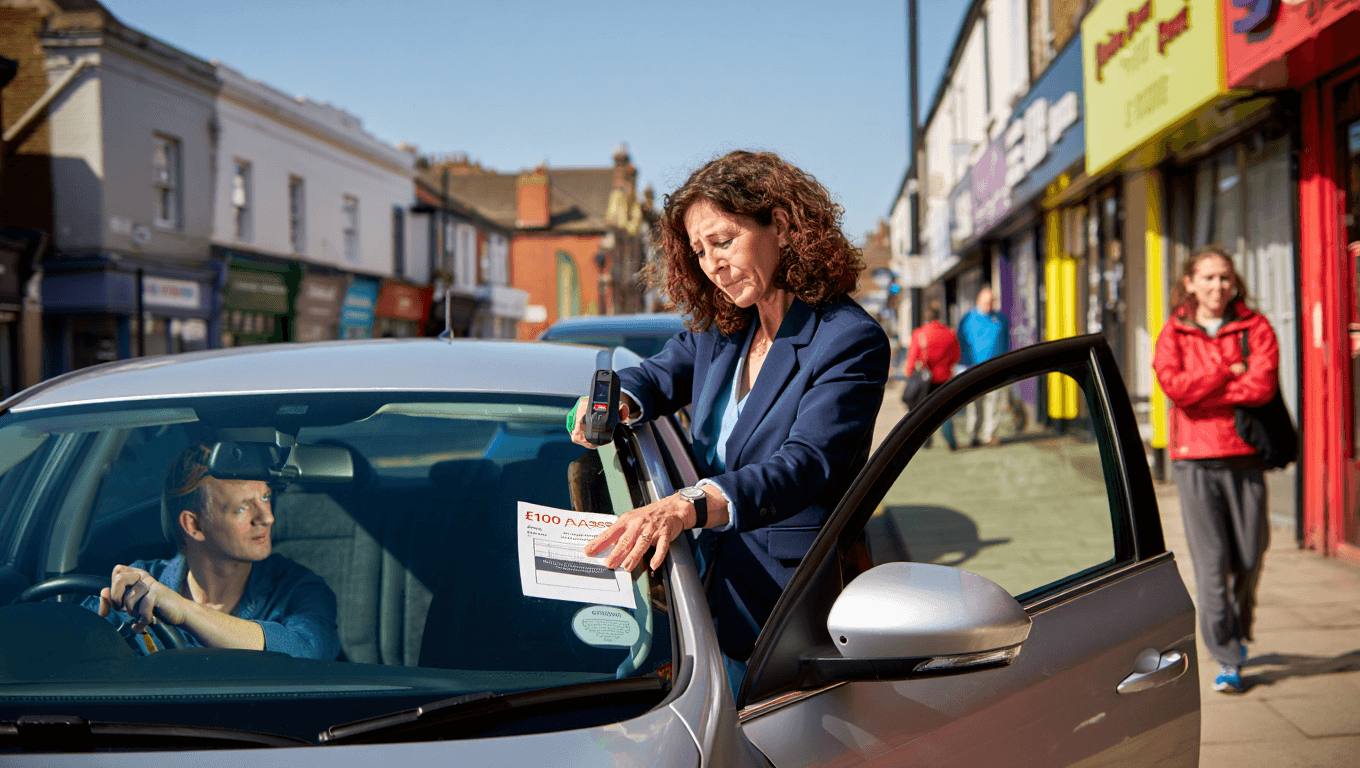
Pavement parking is set to change across large parts of the country after the Government unveiled new powers for local authorities. Drivers, pedestrians and councils are preparing for a shift in how kerbside parking is managed, with penalties now possible where pavement parking is banned.
How the new rules will affect drivers and parking habits
The Department for Transport has confirmed councils can impose wider bans on parking on pavements. That means a one-time local decision can cover entire neighbourhoods, not just single streets.
Where local authorities adopt the measures, motorists who leave vehicles on pavements could face fines. Current examples of council schemes carry penalties up to £100.
- Area-wide restrictions replace the slow street-by-street process.
- Fines will apply where local rules are introduced.
- Drivers in narrow residential streets may feel particular pressure.
Why councils now have broader enforcement powers
The reform forms part of the Government’s Road Safety Strategy. Officials say the aim is to improve accessibility and reduce danger for people forced into the road by parked cars.
Previously, banning pavement parking often required lengthy consultations and individual traffic orders. Under the new approach, councils will have simpler legal tools to act quickly across larger areas.
Voices from campaign groups, motoring bodies and MPs
Charity responses and concerns
Accessibility campaigners welcomed the change but warned it may not go far enough. Representatives for pedestrian groups said the step forward stops people taking dangerous detours into traffic.
Living Streets praised the move as a way to protect vulnerable road users. But their leaders cautioned that a patchwork of local rules could leave many communities without consistent protection.
Views from motoring organisations
The RAC acknowledged most drivers agree pavements should be kept clear. However, the organisation urged councils to take a measured approach to enforcement.
Officials argued narrow streets and limited parking options can force drivers into difficult choices. They recommended flexibility so enforcement does not unfairly penalise residents with no other parking alternatives.
MPs and the call for faster action
Some lawmakers welcomed the powers but urged quicker consultations going forward. One MP noted that previous processes took years and should not be repeated.
The call from parliamentarians reflects frustration over delays in translating public consultations into tangible policy changes.
Who stands to gain or lose from the change
Pavement parking has long caused problems for several groups. Wheelchair users, older people and parents with buggies often find blocked pavements impossible to use.
- Disabled people may be unable to pass safely.
- Parents with pushchairs face detours onto busy roads.
- Older pedestrians can be exposed to traffic hazards.
Local officials also highlight damage to footways. When cars mount kerbs, paving slabs can crack, creating trip hazards and costly repairs for councils.
Practical details: fines, guidance and rollout
Exact enforcement rules and guidance will follow later in the year. The Department for Transport says detailed instructions for councils are on the way.
Where bans are implemented, penalties may mirror existing local schemes, with fines commonly set at up to £100. Enforcement methods will be up to each authority.
- Councils decide whether to apply area-wide bans.
- Local authorities will set enforcement practices.
- National guidance will be issued to help implementation.
Practical scenarios and likely local consequences
In many towns, a sudden roll-out of bans would change daily routines. Commuters who used pavements to leave cars overnight may need alternative parking solutions.
Councils may need to weigh:
- Availability of legal parking bays.
- Impact on residents with limited driveways.
- Resources for enforcement and appeals.
Enforcement will not be uniform. That is likely to lead to different experiences for drivers and pedestrians depending on local decisions.
What to watch for next
Detailed guidance from ministers is expected before councils begin wide use of the new powers. Local consultations and council meetings will set the timetable in each area.
Keep an eye on announcements from your local authority if you live in a built-up area. Changes could appear in traffic regulation orders and local parking policies.
Similar Posts:
- Parking law changes put millions at risk: new fines start this year
- Pavement parking crackdown urged: motorists warned as calls grow for tougher rules
- Pavement parking ban could sweep the UK: Labour poised to act amid mounting pressure
- Ambulance Crews Fined in Low Traffic Zones Despite Exemptions: A Shocking Oversight
- Blue badge update: millions of drivers face crackdown to stop parking fraud

Naomi is a clean beauty expert passionate about science-driven skincare and natural remedies. She demystifies ingredients and shares routines that empower readers to glow — naturally.