
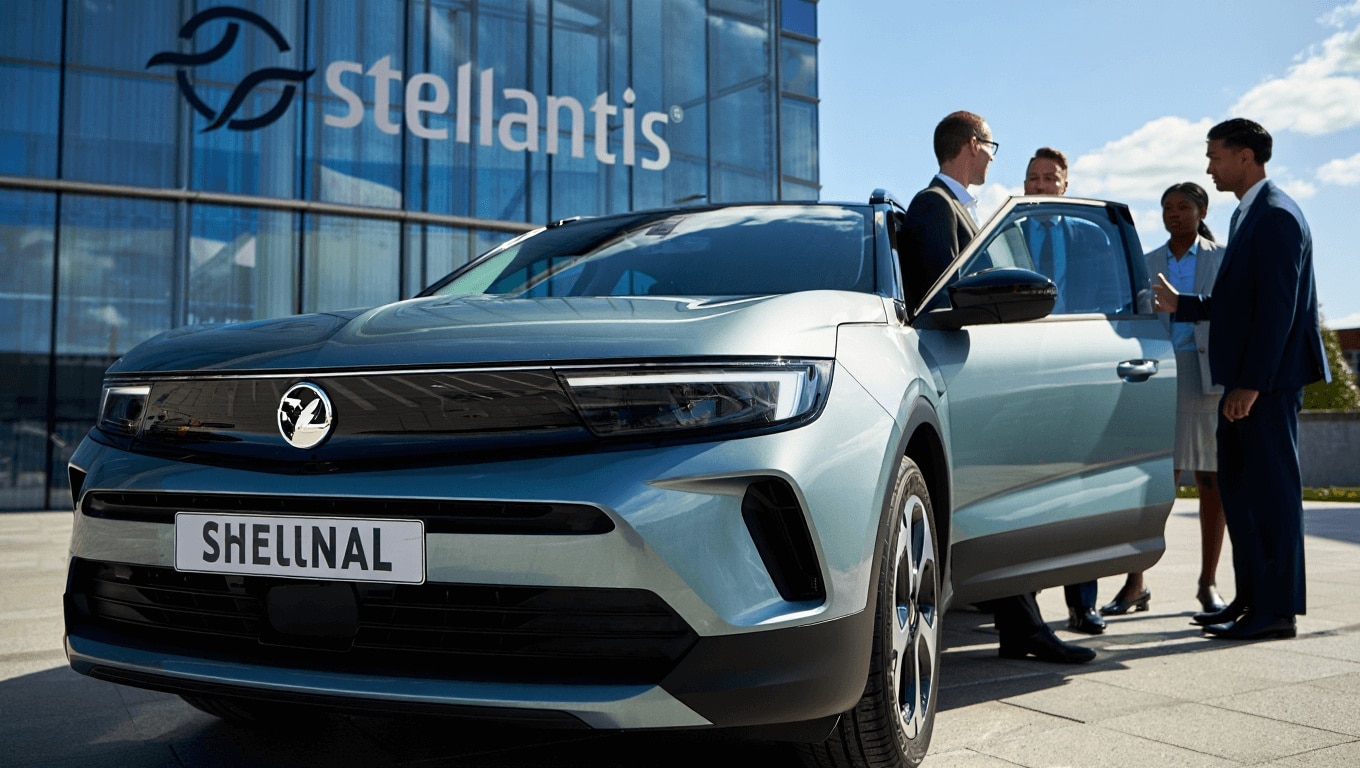
Stellantis, the multinational group that owns Vauxhall, has taken a sweeping financial hit as it retools its approach to electric vehicles. The company announced a large writedown tied to a strategic pivot that will put broader buyer choice at the center of future product plans. Investors will learn more in late May, when the firm presents its updated roadmap.
Big charge and the reason behind it
Stellantis recorded roughly €22.2 billion (about £19.2 billion) in impairment charges to reflect a change in its vehicle strategy. Executives say the move recognizes that the pace of electrification was overestimated and did not match many customers’ real-world preferences.
The write-off covers past investments made under the assumption of a faster energy transition. Management also pointed to weaknesses in prior execution that they are now addressing.
New product focus: more choice, not just full electrification
The company is shifting away from a one-size-fits-all EV push. Instead, it will pursue a mix of technologies to meet diverse markets.
- Battery-electric vehicles where demand and scale make sense.
- Hybrid models to offer lower emissions with familiar range and pricing.
- Advanced internal combustion engines using cleaner fuels or improved efficiency.
As part of that repositioning, Stellantis has cancelled some projects that could not reach profitable scale. One high-profile example is the withdrawal of the RAM 1500 electric pickup from its roadmap for the U.S. market.
What management says and how the reset will unfold
Antonio Filosa, who became CEO last year, framed the adjustments as a return to customer-led decision making. He described a thorough review of the business that aims to strip out inefficiencies and refocus resources.
Company leaders say early results are visible: product changes introduced in 2025 drove stronger customer response and helped lift order volumes.
Operational moves: cutting costs and improving efficiency
Stellantis reports it has combed “every corner” of its operations to find savings. Those steps include tightening project portfolios and improving manufacturing execution.
- Stopping unprofitable model programs.
- Reallocating capital to lines with better demand signals.
- Accelerating efficiency plans in plants and supply chains.
The company expects efficiency gains to continue supporting margins as the strategic reset takes hold.
Investor Day: new strategic plan to be revealed
Full details of the updated strategy will be presented at Stellantis’ Investor Day on May 21. The event will outline product priorities, capital allocation, and how the group plans to balance electrified and combustion offerings.
Regulatory backdrop and its impact on the plan
European policy shifts are reshaping automakers’ choices. The EU has amended its 2035 rules, requiring a 90% tailpipe emissions reduction target for carmakers. The remaining 10% can be met through EU-made low-carbon steel or approved e-fuels.
Those changes allow continued sales of petrol and diesel models beyond 2035 under certain conditions. Stellantis says its product decisions account for the new regulatory mix.
Market pressures and competition
Automakers are facing slowing car sales in some regions and fierce competition from Chinese manufacturers. Stellantis’ reset is partly a response to this intensified market landscape.
- Rising competition on price and technology from overseas brands.
- Shifting buyer preferences that favor flexibility over rapid electrification.
- Regulatory complexity that varies by market.
Short-term performance and outlook for 2026
After the 2025 product changes, orders increased and top-line growth returned, according to the company. For 2026 the emphasis will be on closing execution gaps and building momentum from early improvements.
Management expects the combination of portfolio pruning and operational fixes to translate into stronger, more predictable financial results as the new plan is implemented.
Similar Posts:
- BMW to cut 8,000 jobs: massive cost-cutting shakeup hits workers
- Tesla UK sales plunge 57% as Elon Musk is blamed: BYD overtakes
- £4.5bn hit for major car brand after scrapping EV plans: demand plummets
- Iconic British car brand makes huge acquisition: automaker hails significant milestone
- Jaguar Land Rover suffers £310m loss after cyber attack: braces for global challenges

Naomi is a clean beauty expert passionate about science-driven skincare and natural remedies. She demystifies ingredients and shares routines that empower readers to glow — naturally.