
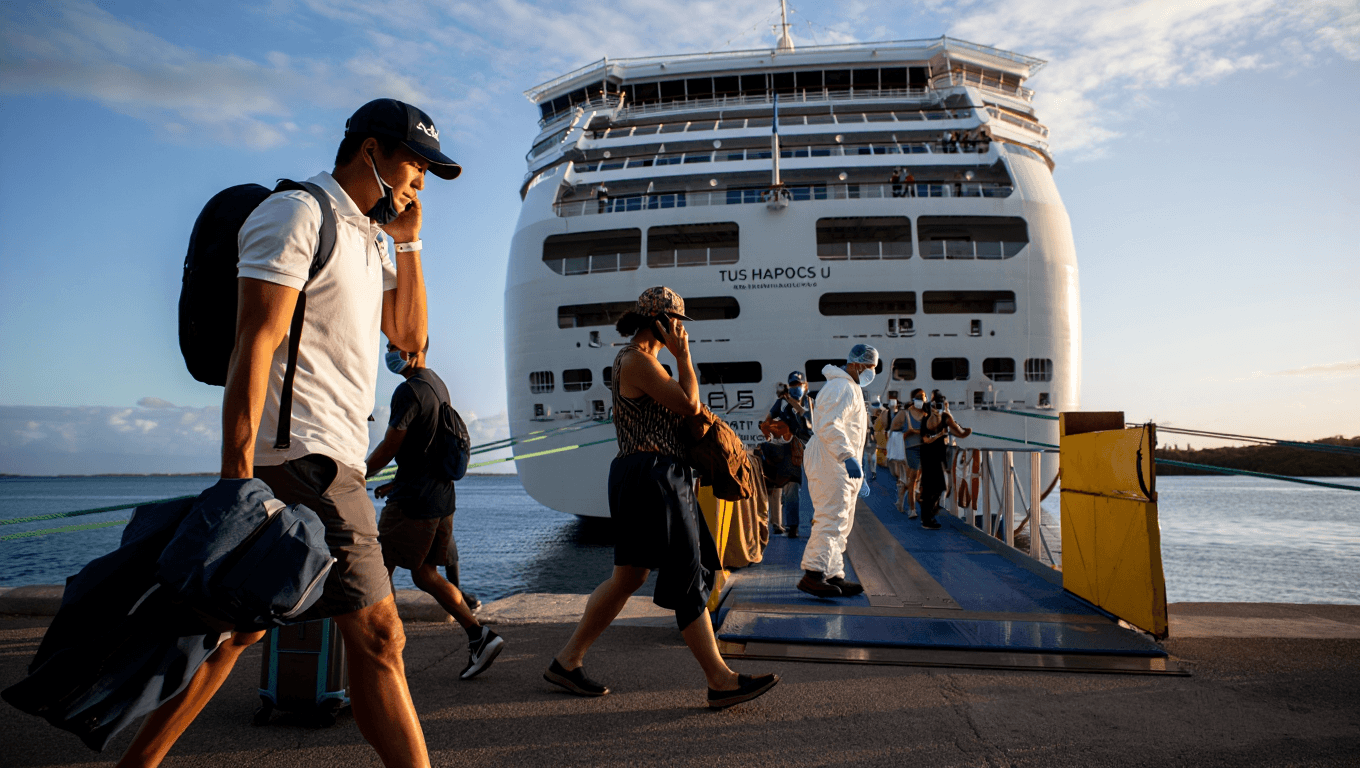
The detection of hantavirus linked to a cruise ship has alarmed health experts and travelers alike. Officials are racing to trace contacts and assess risk as passengers disembark. Amid rising questions about how a rodent-borne virus could surface in a modern maritime setting, authorities emphasize vigilance and targeted action over panic.
Understanding hantavirus: what it is and why it matters
Hantaviruses are a group of viruses carried primarily by rodents. Humans typically become infected through exposure to rodent urine, droppings, or saliva. Some strains cause Hantavirus Pulmonary Syndrome (HPS), a severe respiratory illness.
HPS can start with flu-like symptoms and progress rapidly to respiratory failure. Early medical care improves outcomes, but the disease can be fatal.
How a cruise ship might become a transmission setting
Cruise ships are complex environments. Food stores, cargo holds, and unswept nooks can attract rodents. Even with strict sanitation standards, infestations can occur.
- Rodents boarding via supplies or luggage.
- Nesting in storage and waste areas.
- Contaminated cargo or fresh provisions.
Confined quarters and frequent interactions among passengers can complicate containment. Still, direct person-to-person spread of most hantaviruses is rare. The main concern is exposure to contaminated materials.
What the U.S. cases suggest about spread and risk
Public health investigations focus on timelines, movement, and environmental sampling. Officials look for infected rodents aboard and test symptomatic passengers.
Key investigative steps
- Contact tracing of passengers and crew.
- Testing for hantavirus antibodies or viral RNA.
- Inspection of ship stores and waste areas for rodent evidence.
Early findings will shape whether this remains an isolated incident or a wider concern. So far, human-to-human transmission on this ship has not been documented.
Symptoms to watch for after potential exposure
Hantavirus infections often begin with fever, muscle aches, and fatigue. Respiratory symptoms may appear suddenly and worsen fast.
- Fever and chills
- Muscle pain and headache
- Shortness of breath and cough
- Abdominal pain, nausea, or dizziness
If you were on the vessel and develop these signs, seek immediate medical attention. Tell providers about your cruise exposure.
Prevention measures for travelers and shipping operators
Practical steps reduce risk on ships and at ports. Cleaning, rodent-proof storage, and careful handling of supplies are essential.
- Inspect and seal food and cargo areas.
- Use rodent traps and exclusion measures.
- Wear gloves and masks when cleaning potentially contaminated spaces.
- Avoid sweeping or vacuuming droppings without protection.
Transparency with passengers about inspections and incidents builds trust and helps contain potential exposure quickly.
How public health agencies are responding
Local and federal health agencies coordinate testing and notifications. The goal is rapid case identification and environmental remediation.
- Health alerts to clinicians in affected regions.
- Guidance for airlines and ports handling disembarking passengers.
- Onboard inspections and temporary quarantines if needed.
Laboratories prioritize samples to confirm the virus type. That information guides whether aggressive containment is required.
Advice for passengers who recently sailed
If you were on the cruise, monitor your health for 42 days after exposure. This window covers the typical incubation period for hantavirus.
- Report fever or breathing problems to a doctor immediately.
- Inform medical staff about the cruise exposure.
- Follow public health notifications and testing recommendations.
Seeking care early can significantly affect outcomes, especially if symptoms escalate.
Why a cruise-related outbreak won’t automatically mean a pandemic
Not every outbreak becomes a pandemic. Hantaviruses usually require close contact with rodent-contaminated materials. Most strains do not spread efficiently between people.
Public health systems are now better prepared than in past decades. Rapid detection, targeted isolation, and environmental control limit broader spread.
What scientists still need to learn
Researchers are studying the strain involved, possible routes of contamination, and environmental factors aboard the ship. Sequencing the virus helps trace its origin.
- Was a specific rodent species involved?
- Did supplies or shore calls introduce contamination?
- What cleaning lapses allowed rodent activity?
Answers will inform future prevention and policy for maritime operations.
Similar Posts:
- Hantavirus may have spread among cruise ship passengers: WHO warns
- Gene Hackman’s Wife Succumbs to Deadly Virus: Three New Fatalities in California Linked
- Norovirus cases surge across US: how to protect yourself
- Anna Kepner’s body found under bed on Carnival cruise ship
- Nipah virus outbreak: officials warn deadly disease has no cure

Cole is a passionate vegan dessert artist with a knack for turning indulgent classics into plant-based masterpieces. His sweet creations are where flavor meets conscious living.