
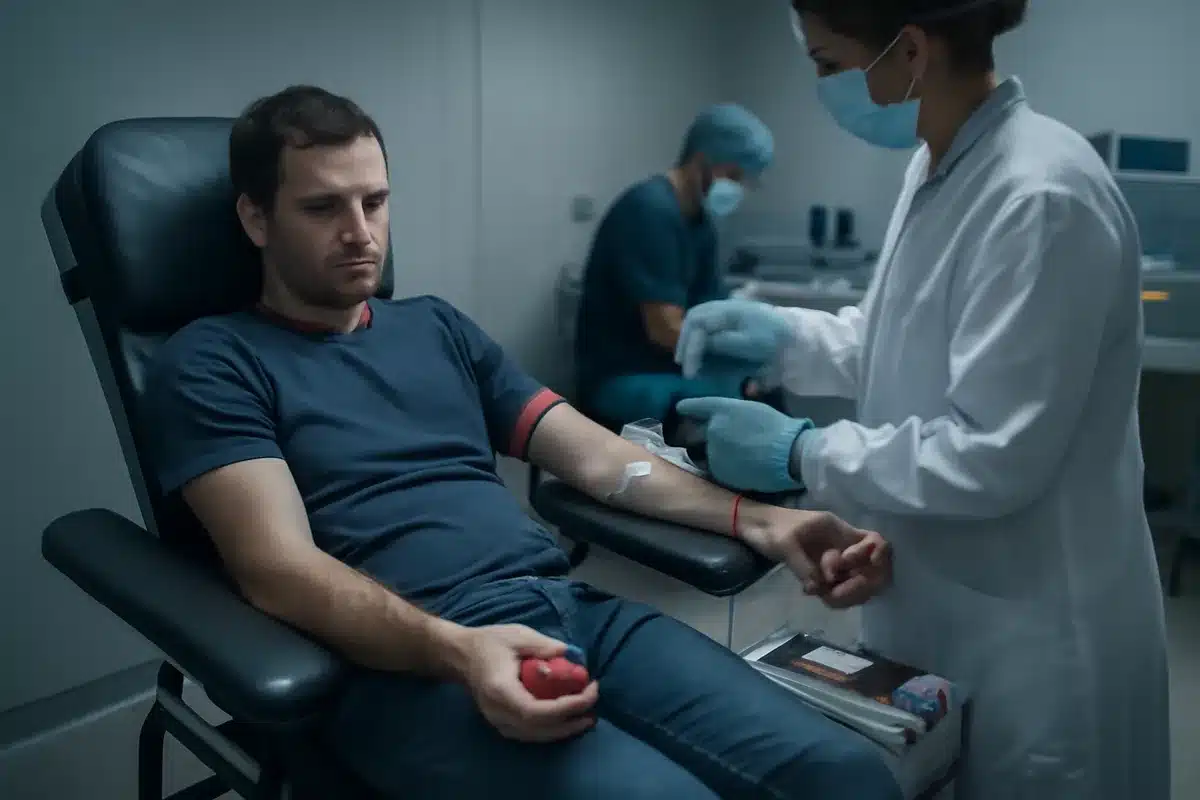
The American Red Cross has sounded an alarm after blood donations fell to their lowest point in four years. Hospitals report mounting strain as reserves shrink and demand for transfusions continues. The shortfall has immediate effects on emergency medicine, surgeries and chronic care, and officials are urging donors to act quickly.
Red Cross issues national emergency over blood reserves
The organization described current stocks as critically low and labeled the situation a national concern. Donations have dipped to a four-year low, forcing the Red Cross to call for more donors and more donation drives across the country.
Officials warn that without a rapid increase in collections, health systems may face difficult choices about scheduling procedures that need transfusions.

Reasons behind the drop in donations
Short-term and long-term factors
- Fewer community blood drives due to local event cancellations and venue limits.
- Donor fatigue after years of pandemic-era appeals.
- Seasonal challenges, such as summer travel and weather-related disruptions.
- Ongoing staffing and logistical pressures at collection centers.
- Misinformation about donor eligibility and safety that deters potential donors.
Who is most affected by the shortage
Patients who rely on regular transfusions face the most immediate risk. Cancer patients, trauma victims and people with chronic blood disorders are especially vulnerable.

- Elective surgeries may be postponed.
- Trauma centers could see tighter triage when blood is scarce.
- Special blood types and platelets are often the hardest to replenish.
Types of donations and why each matters
Understanding donation types helps donors choose where their gift will have the greatest impact.
- Whole blood: Used broadly for many transfusion needs.
- Platelets: Critical for cancer care and bleeding disorders; they have a short shelf life.
- Plasma: Used in trauma and for patients with clotting issues.
How to donate safely and what to expect
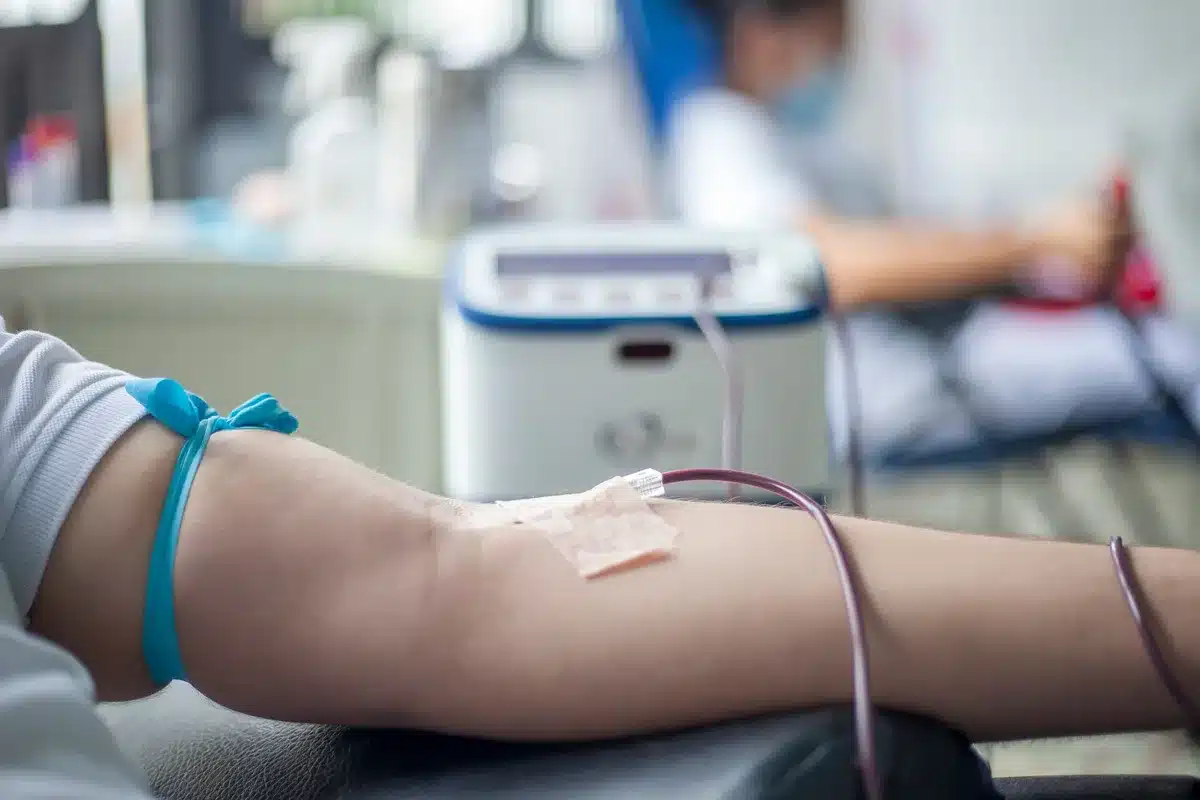
Donation is quick and safe. Most donors spend under an hour at a drive or center.
- Check basic eligibility: age, weight, and general health.
- Bring a photo ID and a list of any medications.
- Eat a healthy meal and stay hydrated before donating.
- Expect a short medical screening and the donation itself.
First-time donors and repeat donors are both needed now. Mobile drives, local centers and scheduled appointments help maintain steady supplies.
What hospitals and the Red Cross are doing to cope
- Increasing appeals to community groups, employers and schools.
- Scheduling targeted drives for platelet and rare-type donors.
- Working with hospital networks to allocate existing supplies efficiently.
- Expanding outreach to underrepresented donor communities.
How individuals and organizations can help immediately
- Make an appointment at a local blood center or mobile blood drive.
- Encourage friends, family and coworkers to donate together.
- Volunteer or host a donation drive at your workplace or community space.
- Share verified information about donor eligibility and safety on social media.
Common myths and facts about blood donation
- Myth: Donating blood is unsafe. Fact: Centers follow strict safety protocols.
- Myth: You can’t donate if you’ve had a vaccine. Fact: Most vaccinations do not disqualify donors.
- Myth: Only certain blood types are needed. Fact: All types are important, and rare types are especially requested.
Similar Posts:
- Aldi opens five new UK stores before Christmas: see full list
- Eating this fruit may increase the risk of cancer spreading
- Rasonque gets FDA approval for metastatic pancreatic cancer: new hope for patients
- Pancreatic cancer drug nearly doubles survival: breakthrough offers new hope
- Colorectal Cancer Breakthrough: 3-Year Exercise Program Boosts Survival Rates

Cole is a passionate vegan dessert artist with a knack for turning indulgent classics into plant-based masterpieces. His sweet creations are where flavor meets conscious living.