

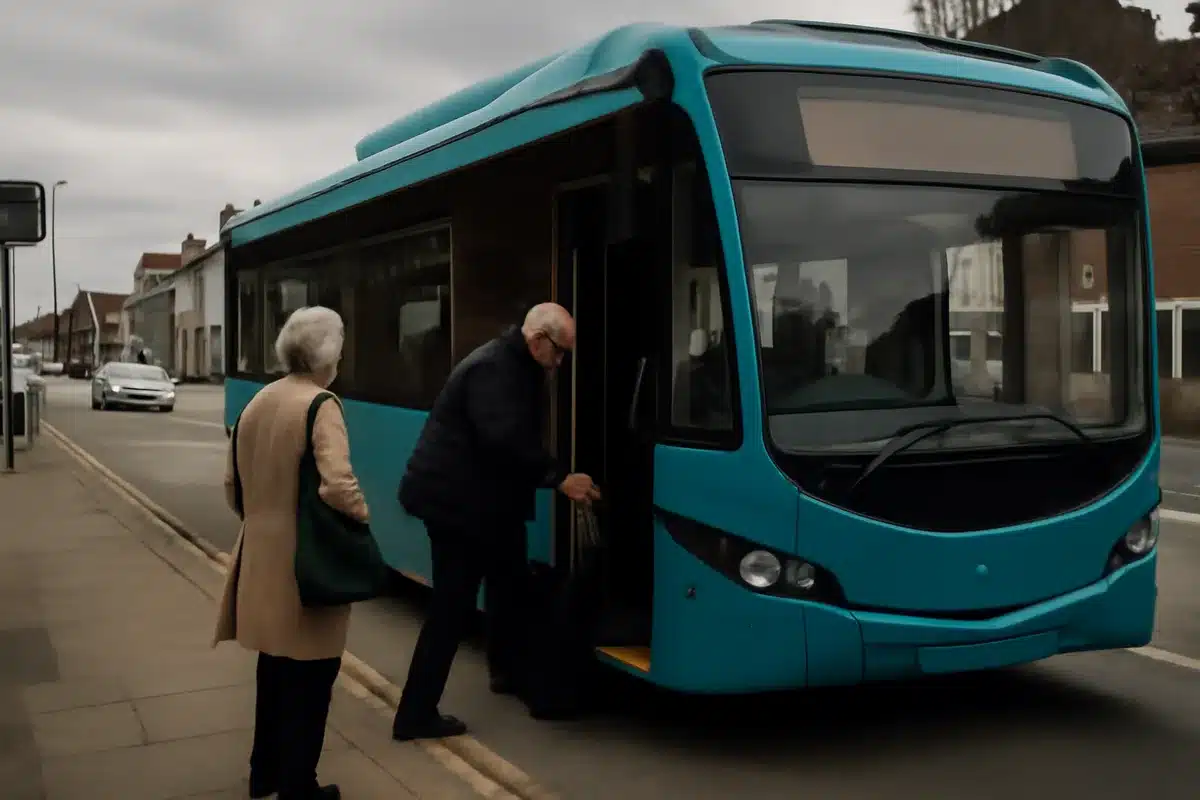
Hull’s brand-new electric buses have hit a snag: instead of drawing power from newly installed chargers, a lineup of diesel generators is filling the gap. What was meant to be a landmark green upgrade now runs on temporary fossil-fuel power while the depot waits for a permanent electrical connection.
How a green project turned to temporary generators
The switch to diesel generators came after unexpected delays in connecting the depot to the grid. The manufacturer and operator had planned for on-site chargers to be operational when the vehicles entered service. That connection is not yet in place.

- Five diesel generators are currently in use at the Anlaby Road depot.
- About 20 buses are being charged this way until the supply is finished.
- The fleet initially introduced comprised 27 electric buses, unveiled earlier this year.
Who paid for the buses and the infrastructure
The rollout was funded through a mix of sources aimed at cutting transport emissions across the region. Central government support came from the Zero Emission Bus Regional Areas programme.
- Government ZEBRA funding
- Hull City Council
- East Riding of Yorkshire Council
- East Yorkshire Buses
The combined investment across partners amounted to £16.5 million. Local authorities said the scheme fits their climate goals and plans to promote cleaner urban transport.
Operational impact and local reaction
Staff and officials stress the generator use is temporary. The operator says it chose the short-term workaround to remove ageing diesel vehicles from service straight away.
Supporters praised the new buses as a major step for Hull’s public transport. A council transport lead described the vehicles as the start of a wider transformation for the city’s network.
- The electric buses already cover several busy routes.
- Using generators allows older diesel buses to be retired sooner.
- Critics point out that charging EVs with diesel undermines some of the environmental gains.
Where the buses run
The battery-powered vehicles are operating on routes that link Hull with nearby towns. Key services include routes through Cottingham and Hessle, serving regular commuter corridors.
What caused the delay in charger installation?
East Yorkshire Buses reported that the main infrastructure contractor entered administration. That business failure stalled electrification work and left the depot without the expected permanent supply.
Replacing a contractor and completing electrical works can take time. The operator says it expects the grid connection to be commissioned within a few weeks.
Environmental trade-offs and short-term pros and cons
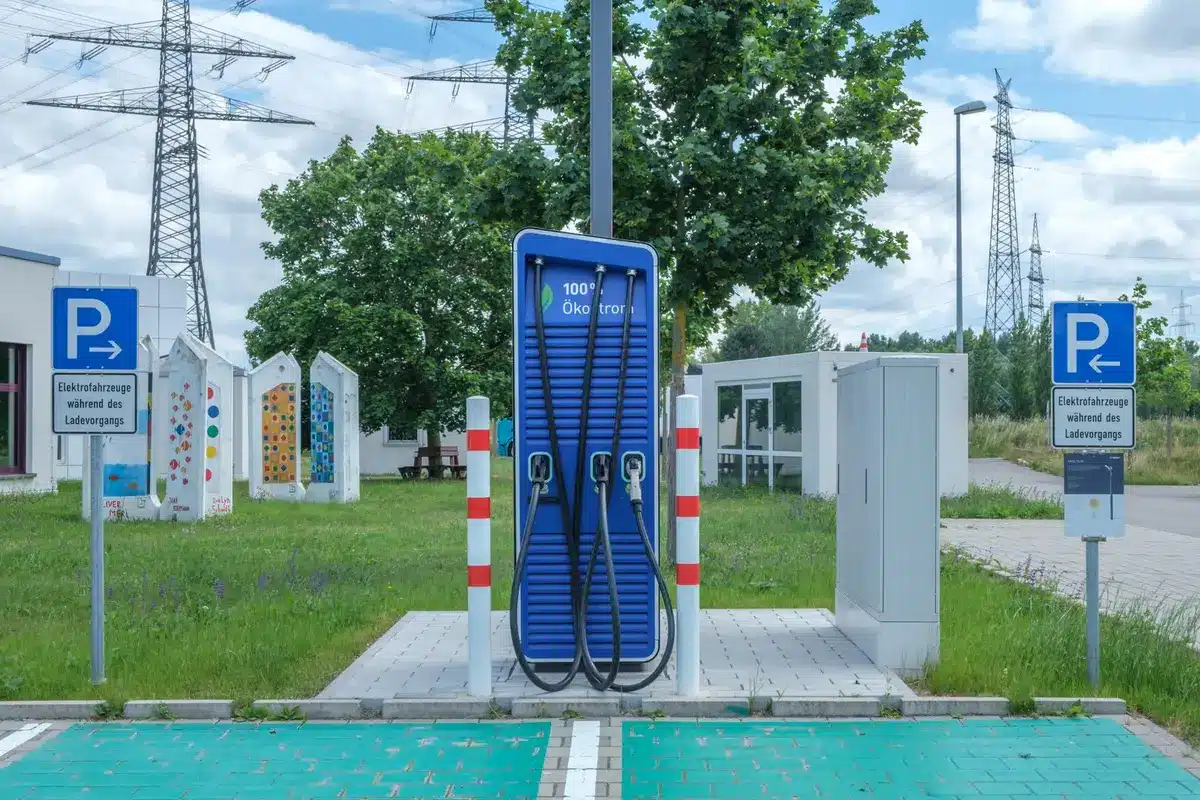
There is a clear paradox: electric buses are in operation, but they are being charged by diesel machines. The situation raises questions about net emissions in the short term.
- Pros: New buses reduce tailpipe emissions when fully charged and can lower urban pollution once on-grid.
- Cons: Running diesel generators produces CO2 and local pollutants while power works remain unfinished.
- Mitigation: Operators say generator use is temporary and limited until the permanent supply is live.
Next steps and what to watch for
Authorities and the bus company are focused on completing the electrical connection quickly. The public will be watching whether the promised commissioning happens within the stated timeframe.
If the grid link is activated as planned, the buses will switch from generator charging to cleaner, lower-emission electricity. If not, further contingency planning may be needed.
Similar Posts:
- Clean air zone charges for petrol and diesel drivers cut pollution early
- Electric Cars Surge in Popularity: Confidence Overtakes Traditional Fuel Vehicles
- New Driving Laws May Spike Parking Fees: Owners of Popular Vehicles Beware!
- UK city plans road charges for petrol and diesel drivers: thousands face higher costs
- Drivers hit with new size-based charges: bigger petrol and diesel cars risk paying more

Naomi is a clean beauty expert passionate about science-driven skincare and natural remedies. She demystifies ingredients and shares routines that empower readers to glow — naturally.