
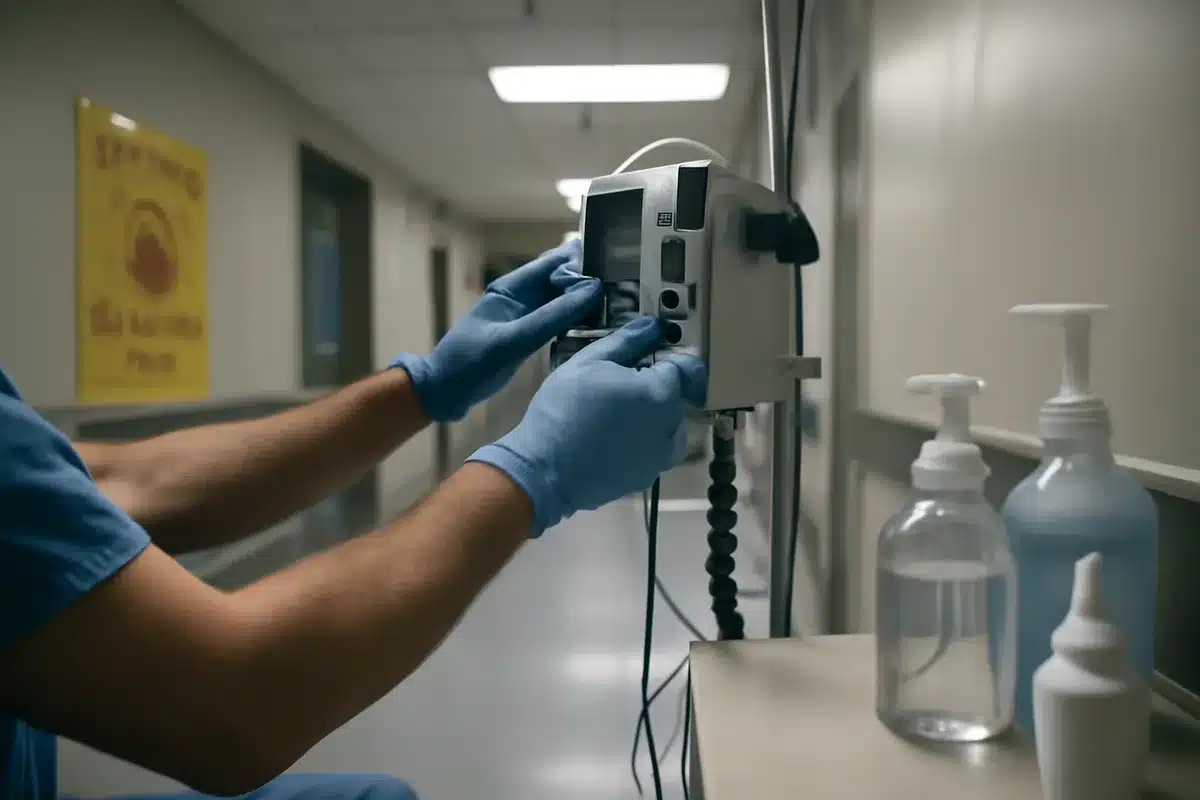
Health officials are raising alarms after federal data showed Candida auris has been identified across 23 U.S. states. The fungus resists common antifungal drugs, thrives in healthcare settings, and poses a growing challenge for hospitals and long-term care facilities. Clinicians, infection-prevention teams, and public health agencies are rapidly adjusting surveillance and control measures to limit further spread.
What Candida auris is and why it worries experts
Candida auris is a yeast that can cause severe infections in vulnerable patients. It is not like routine Candida species. It often resists multiple antifungal drug classes. That resistance makes treatment difficult and increases the risk for poor outcomes.
- Multidrug resistance: Some isolates resist azoles, echinocandins, and polyenes.
- Hard to detect: Standard lab tests can misidentify it, delaying diagnosis.
- Survives on surfaces: It persists on skin and environmental surfaces for weeks.
Where infections are appearing and who is at risk
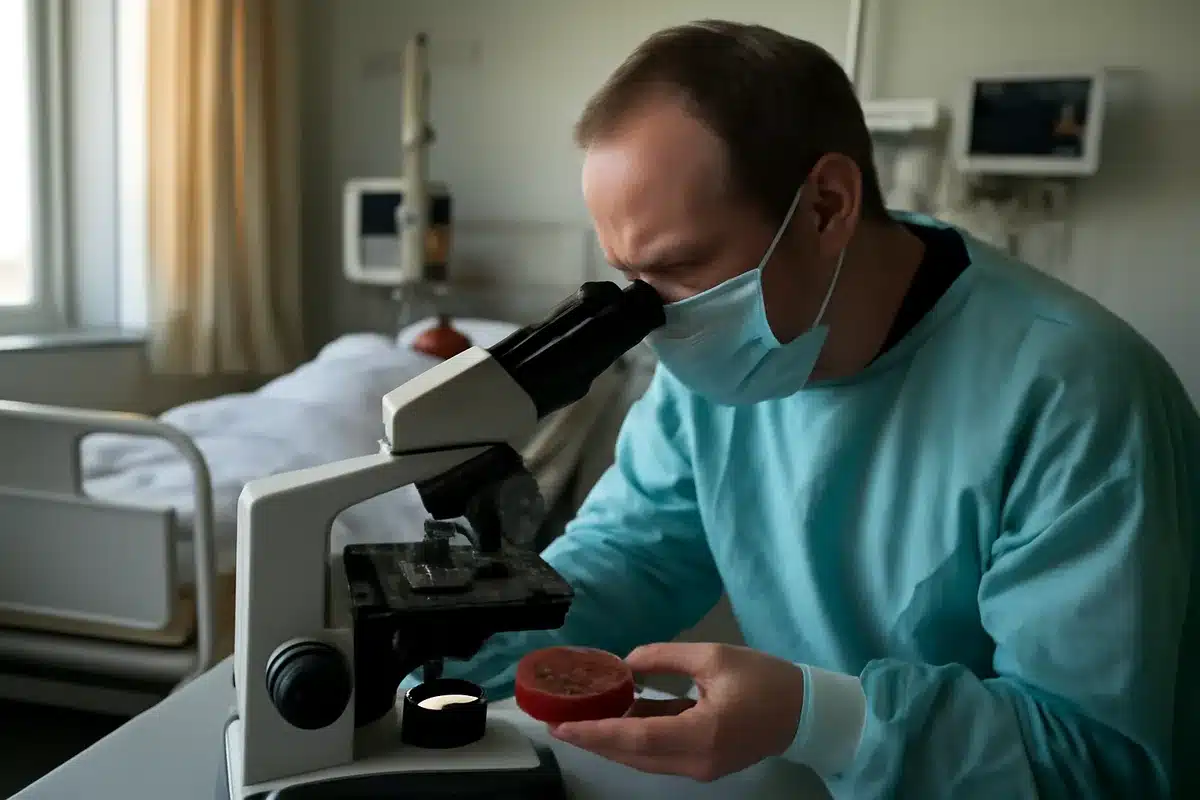
The CDC reports detections in 23 states, mainly in hospitals and long-term care facilities. Patients with chronic wounds, invasive devices, recent surgeries, or weakened immune systems face the highest risk.
Settings linked to transmission
- Nursing homes and skilled nursing facilities
- Acute-care hospitals
- Long-term acute care hospitals and rehabilitation centers
High-risk patient groups
- People with central venous catheters
- Patients on broad-spectrum antibiotics
- Those receiving intensive care or prolonged hospitalization
How Candida auris spreads within healthcare facilities
Transmission typically occurs through contact. Colonized patients can contaminate bedding, medical equipment, and room surfaces. Staff and shared devices may inadvertently pass the organism between patients.
- Direct patient-to-patient contact
- Contaminated hands or gloves of healthcare workers
- Shared medical equipment and high-touch surfaces
Challenges and gaps in detection
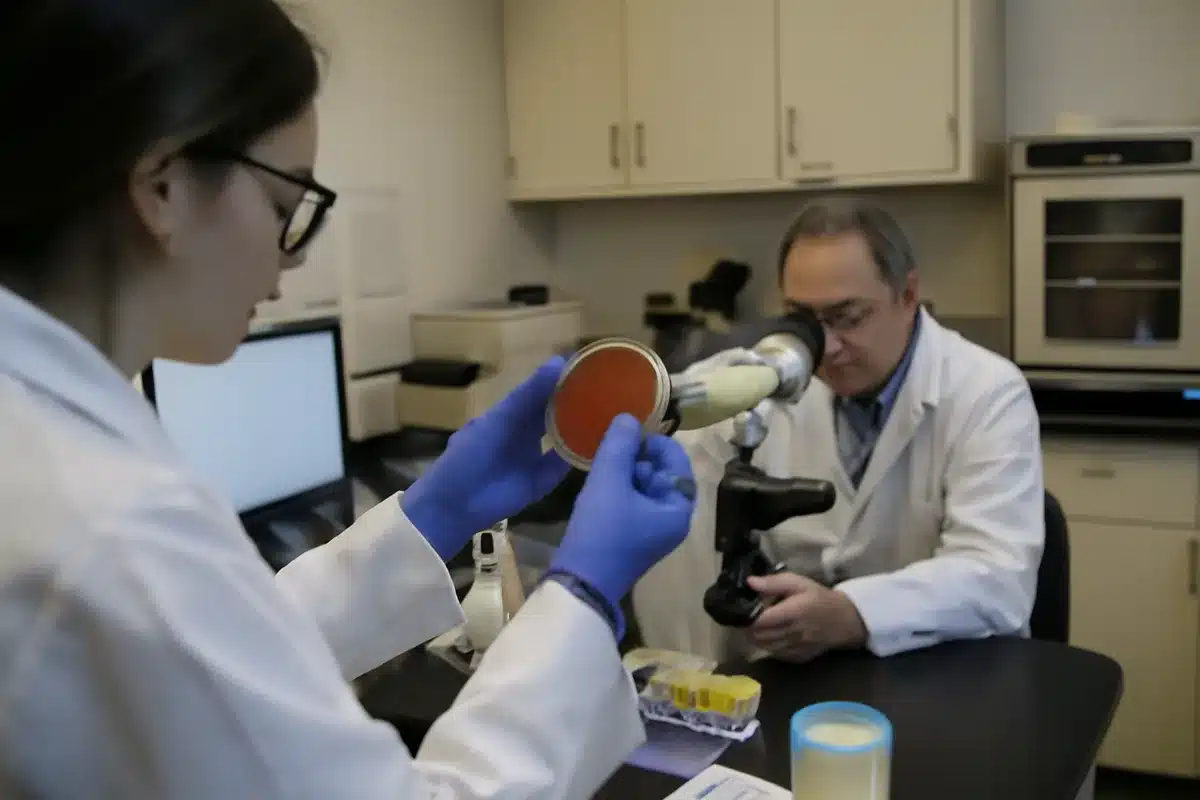
Many clinical labs lack the tools to reliably identify Candida auris. Misidentification can delay implementation of infection-control measures. Public health laboratories and specialized tests are often required for confirmation.
- Misidentification risk: Conventional biochemical methods can confuse C. auris with other yeasts.
- Need for rapid testing: Faster molecular methods improve detection and outbreak response.
Treatment options and their limits
Treatment choices are narrowing because many strains show resistance. Echinocandins are usually the first-line drugs. Some isolates, however, show reduced susceptibility to them.
- First-line: Echinocandins (when active).
- Consider combination therapy or consult an infectious disease specialist for resistant cases.
- Therapeutic decisions must rely on susceptibility testing.
Practical steps for healthcare providers and facilities
Containing spread demands coordinated action. Facilities should follow enhanced cleaning, screening, and isolation protocols.
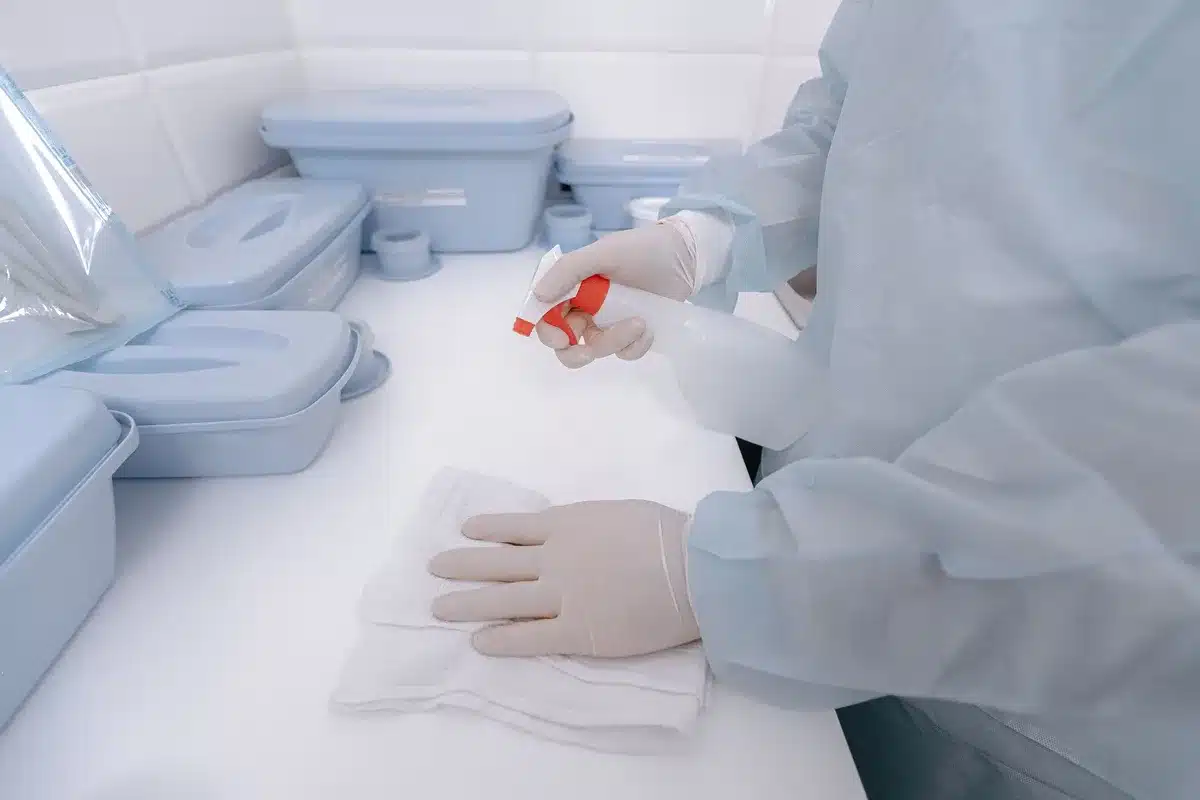
- Screen contacts: Test patients who shared rooms or equipment with confirmed cases.
- Implement contact precautions: Use gowns and gloves when interacting with colonized or infected patients.
- Environmental cleaning: Use EPA-registered disinfectants effective against fungi and follow strict cleaning schedules.
- Staff education: Reinforce hand hygiene and device-care protocols.
Public health response and surveillance
State and federal health agencies are expanding surveillance to identify clusters. Reporting suspected or confirmed cases helps map spread and target interventions.
Key public health activities
- Case investigation and contact tracing
- Support for laboratory confirmation and genomic sequencing
- Guidance for long-term care settings
Steps patients and families should know
People in or visiting facilities can take practical precautions. Awareness and communication with care teams reduce risk.
- Ask whether the facility screens for Candida auris.
- Practice and encourage hand hygiene before and after visits.
- Notify staff about recent hospitalizations at other facilities.
Why containment is difficult and what’s next
Containment is complicated by asymptomatic colonization and environmental persistence. Ongoing surveillance, improved diagnostics, and coordinated infection control are essential to slow spread.
Experts emphasize rapid detection, strict hygiene, and targeted treatment to reduce transmission and protect the most vulnerable patients.
Similar Posts:
- Antibiotic-resistant bacteria surge: CDC warns who faces highest risk
- Norovirus cases surge across US: how to protect yourself
- Hantavirus may have spread among cruise ship passengers: WHO warns
- Patient safety: top U.S. hospitals 2026 named by Healthgrades
- CDC drops hepatitis B shot for newborns: doctors warn infection risk could surge

Cole is a passionate vegan dessert artist with a knack for turning indulgent classics into plant-based masterpieces. His sweet creations are where flavor meets conscious living.