
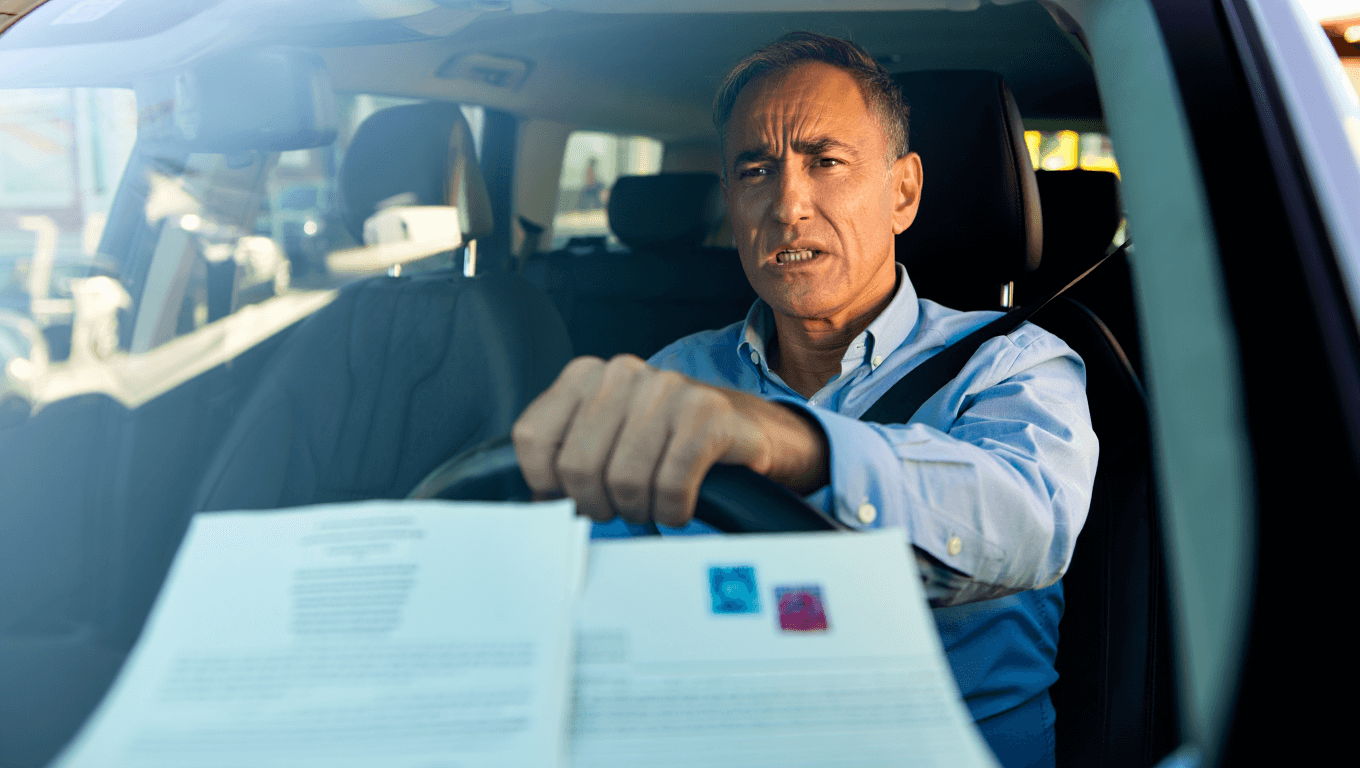
Nearly a million UK drivers have been reminded of rules tying diabetes treatment to driving licences, as ministers explain when the Driver and Vehicle Licensing Agency (DVLA) must be told about insulin or other medications.
How the DVLA judges fitness to drive with diabetes
The DVLA looks at whether a person’s diabetes is well controlled and monitored. Decisions focus on the risk of low blood sugar, known as hypoglycaemia, and how steady a person’s treatment is.
- Assessments may include regular finger-prick tests.
- Continuous glucose monitoring (CGM) systems, such as the Freestyle Libre, are accepted evidence.
- Officials check for records that show consistent control and effective measures to prevent dangerous lows.
Who must notify the DVLA — clear rules for different licence holders
Notification duties depend on the licence type and treatment. The rules are stricter for professional drivers.
- Insulin users: Must inform the DVLA if treatment lasts, or will last, more than three months.
- Gestational diabetes: Notify if insulin use continues for more than three months after childbirth.
- Non-insulin medication: Car and motorcycle drivers only need to report if the drug can cause hypoglycaemia.
- Bus, coach and lorry (PSV/HGV) drivers: Required to tell the DVLA about any diabetes medication and must stop driving once they start insulin until told otherwise.
- Drivers managed by diet alone do not need to notify the DVLA.
When low blood sugar means you must tell the authorities
The DVLA must be informed if a driver experiences disabling hypoglycaemia. The same applies if a medical professional warns the driver is at risk.
- Disabling hypoglycaemia means you lose control or awareness while driving.
- Evidence from clinicians that a driver is at risk will trigger reporting requirements.
Fines, prosecution and other legal consequences
Failing to inform the DVLA carries financial and legal risks. The penalty for not reporting a relevant medical condition can be severe.
- Fixed penalty: Drivers can face a fine up to £1,000 for not notifying the DVLA.
- Criminal risk: If an undisclosed condition contributes to an accident, the driver could be prosecuted.
- Professional drivers face stricter enforcement and must follow DVLA directions before returning to work.
Practical checklist for drivers with diabetes
Follow a few clear steps to stay compliant and safe on the road.
- Speak with your GP or diabetes nurse about whether your treatment needs to be reported.
- Keep a log of glucose readings and any hypoglycaemic episodes.
- Consider using CGM equipment and keep device records to show stable control.
- If starting insulin, check whether you must stop driving immediately and notify the DVLA.
- Apply to renew or update your licence promptly when required.
How to contact the DVLA and the evidence they seek
The DVLA will request clinical evidence about your diabetes control. This can include glucose charts, CGM downloads, and letters from your clinician.
- Use the official DVLA online forms or phone lines for declarations.
- Provide up-to-date monitoring records to speed the assessment.
- Follow any interim restrictions the DVLA imposes while they review your case.
Similar Posts:
- Driving licence changes: DVLA unveils strict new rules for motorists with medical conditions
- Driving licence rule changes confirmed: thousands of motorists face new rules
- DVLA medical driving licence changes hit 900,000 drivers: what to do
- Millions Risk Criminal Charges: Simple DVLA Licence Error Could Cost You!
- DVLA Revamps Driving Laws for Classic Cars: Major Cuts in Red Tape Announced!

Naomi is a clean beauty expert passionate about science-driven skincare and natural remedies. She demystifies ingredients and shares routines that empower readers to glow — naturally.