
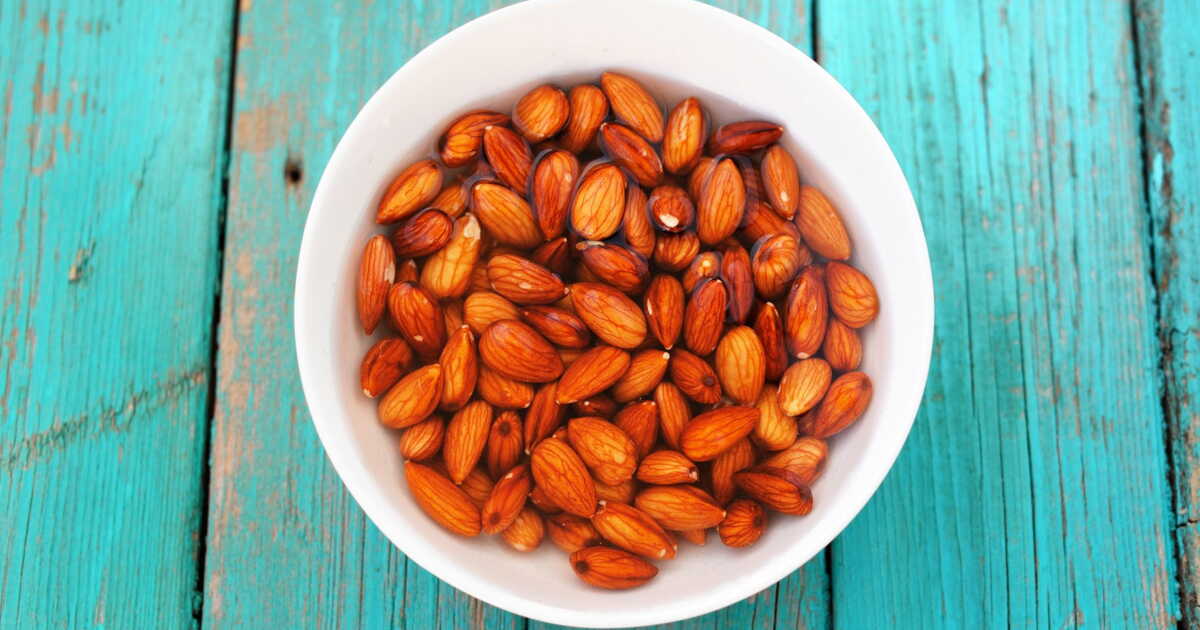
A simple overnight ritual can turn ordinary almonds into a digestible, nutrient-packed snack. Here’s how soaking unlocks their full potential and makes them easier on your gut.
Why soaking almonds matters
Almonds naturally contain phytic acid, a compound that acts like an “anti-nutrient” by inhibiting the enzymes needed for proper digestion and blocking mineral absorption. When you soak almonds in water, you kick-start the germination process, which reduces phytic acid and unleashes more bioavailable nutrients. I discovered this myself after switching to soaked almonds: the morning handful left me feeling less bloated and more energised throughout my day.
How to soak almonds correctly
Dr. William Berrebi recommends a straightforward routine:
- Rinse: Place a handful of almonds in a bowl and give them a quick rinse under running water.
- Cover: Add enough filtered water to fully submerge the almonds.
- Rest overnight: Leave the bowl on your countertop or in the fridge for 8–12 hours.
- Drain and rinse: The next morning, pour off the water and rinse the almonds again.
Now they’re ready to eat—creamy, plump, and far gentler on your digestive system than their dry counterparts.
Voir cette publication sur Instagram
Une publication partagée par Dr William Berrebi (@drwilliamberrebi)
Should you soak other nuts and seeds?
Yes—many other tree nuts and seeds benefit from the same treatment. Walnuts, sunflower seeds, and pumpkin seeds also contain phytic acid and are better digested after a similar soak. Simply follow the same soak-and-rinse steps, adjusting times for smaller seeds (4–6 hours is usually sufficient).
By making this minor adjustment—soaking instead of snacking straight from the bag—you’ll enjoy almonds and other nuts with fewer digestive woes and a richer nutritional payoff.
Similar Posts:
- Almonds: why gastroenterologists say you must soak them before eating
- How to Make Plant-Based Milk at Home: Methods, Safety Tips, and Practical Guidance
- Drinking hot water in the morning: the belly fat-burning habit you need to know
- Should you drink lemon juice in the morning ? The answer might surprise you
- Oats like you’ve never seen : 4 protein-packed recipes to slim your waist

Theo is a dynamic fitness coach who brings energy, realism, and flavor to healthy living. His content is about strong bodies, positive minds, and meals that fuel both.