
Health officials warn people about a recent Cyclospora outbreak linked to certain fresh foods, but experts emphasize you do not have to stop eating fruits and vegetables. With the right precautions, you can keep enjoying produce while reducing your risk of infection.
Understanding Cyclospora: what it is and how it spreads
Cyclospora cayetanensis is a microscopic parasite that causes cyclosporiasis. It is typically spread when food or water gets contaminated with fecal matter containing the parasite. In many outbreaks, fresh produce is the vehicle that carries the organism to consumers.
- Transmission often involves food handled in areas with poor sanitation.
- The parasite must mature in the environment before it becomes infectious.
- Common outbreak links include leafy greens, berries, herbs, and ready-to-eat fruit mixes.
Symptoms to watch for and basic medical response
Symptoms usually start within days to weeks after exposure. Expect watery diarrhea, abdominal cramping, fatigue, and sometimes nausea or fever. Symptoms can come and go and may last weeks if untreated.
- See a clinician if you have persistent diarrhea or dehydration.
- Testing for Cyclospora requires a stool exam ordered by a healthcare provider.
- Treatment is typically an antibiotic combination called trimethoprim-sulfamethoxazole.
Why avoiding fruits and vegetables is unnecessary
Fruits and vegetables are key to a healthy diet. Public health advice focuses on safer handling, not eliminating produce. Removing fresh produce from your meals can harm your nutrition without significantly lowering risk when simple steps are followed.
- Outbreaks usually involve specific, contaminated lots, not all produce.
- Recalls and supply chain tracing help remove the contaminated items quickly.
- Many safe alternatives exist, such as thoroughly washed or cooked produce.
Practical steps to reduce your risk at home
Simple habits can drastically lower your chance of exposure. Make these part of your routine when preparing fresh foods.
- Follow recalls and avoid products named in public advisories.
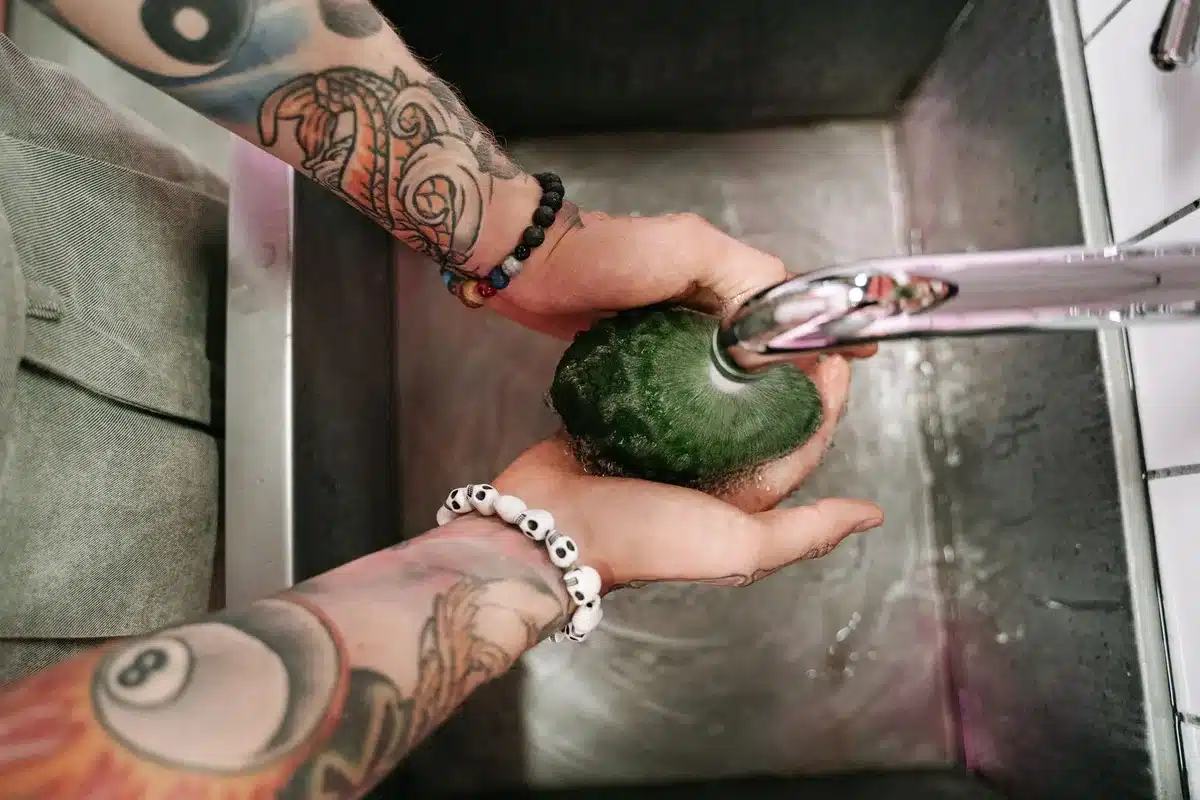
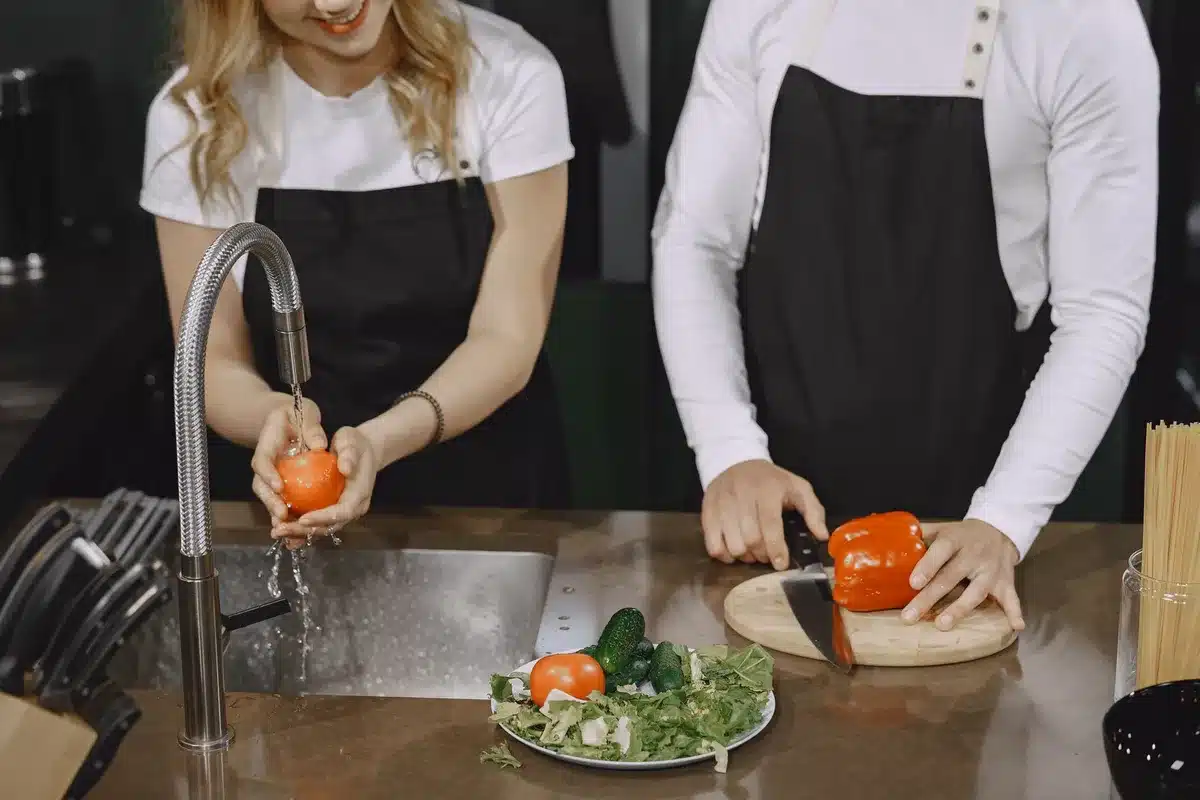
- Rinse whole fruits and vegetables under running water before eating.
- Peel produce when appropriate; peeling can remove surface contamination.
- Cook vegetables when possible: high heat kills many pathogens.
- Wash hands with soap before and after handling fresh foods.
- Clean cutting boards and utensils between uses.
Shopping and dining smart during an outbreak
You can still shop with confidence by choosing safer formats and checking labels and dates.
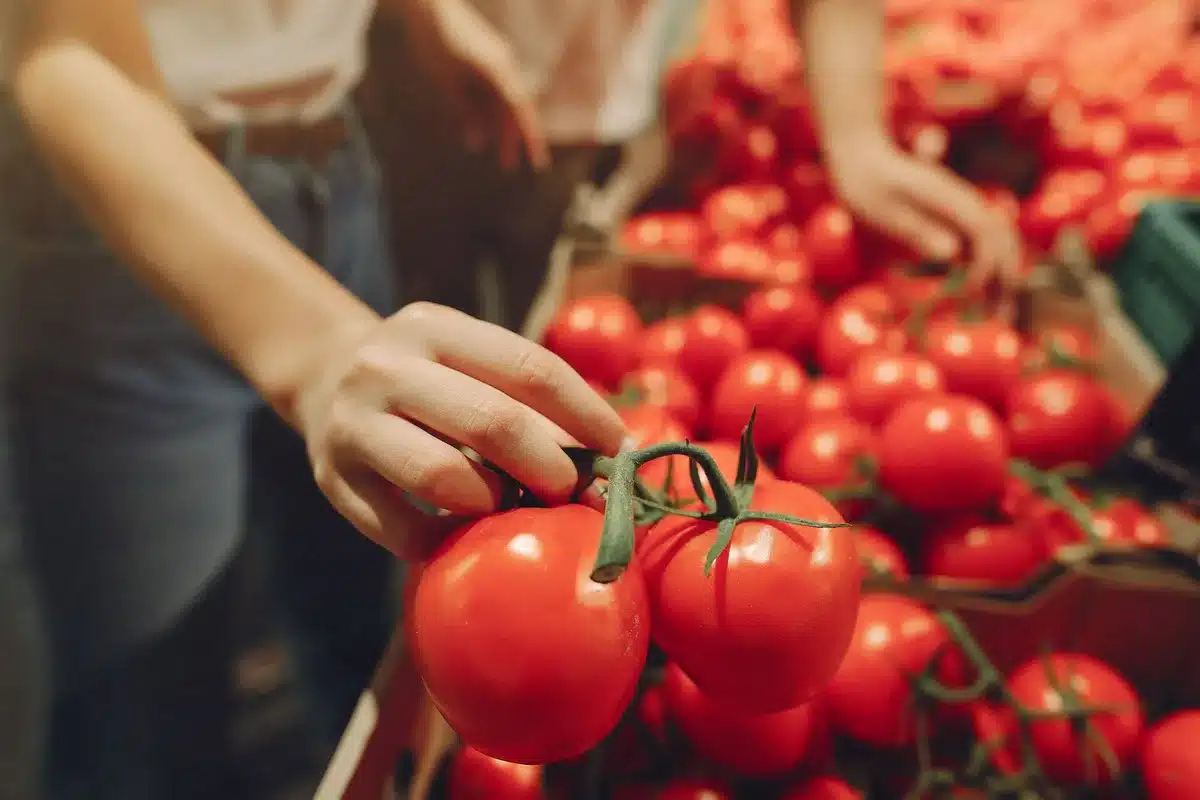
- Prefer whole, intact produce over pre-cut or ready-to-eat mixes when worried.
- Check packaging for recall notices and production codes.
- Consider frozen or canned fruits and vegetables; blasting and processing reduce risk.
- At restaurants, ask how salads and pre-washed items are handled.
When to throw items away and how to spot recalls
If public health agencies name a product, remove it from your home immediately. Do not taste or serve suspect items.
- Locate lot numbers and expiry dates on packaging.
- Follow official disposal or return instructions from the store or agency.
- Monitor local health department updates and the FDA or CDC notices.
Groups at higher risk and special precautions
Certain people face more severe illness and should be extra cautious. This includes older adults, infants, pregnant people, and anyone with weakened immunity.
- High-risk individuals should favor cooked or canned produce during outbreaks.
- Hospitals and care facilities should enforce strict produce sourcing and handling rules.
- If you are immunocompromised, speak with your provider about temporary dietary adjustments.
Similar Posts:
- Chipotle jalapeños tied to salmonella outbreak: what you need to know now
- Deadly Bacteria Strain Linked to Colon Cancer Skyrockets in England: Cases Increase Tenfold!
- This Is the Most Pesticide-Contaminated Vegetable—Buy It Organic If You Can
- Urgent Blueberry Recall: Highest Alert Issued for Listeria Risk
- Norovirus cases surge across US: how to protect yourself

Cole is a passionate vegan dessert artist with a knack for turning indulgent classics into plant-based masterpieces. His sweet creations are where flavor meets conscious living.