
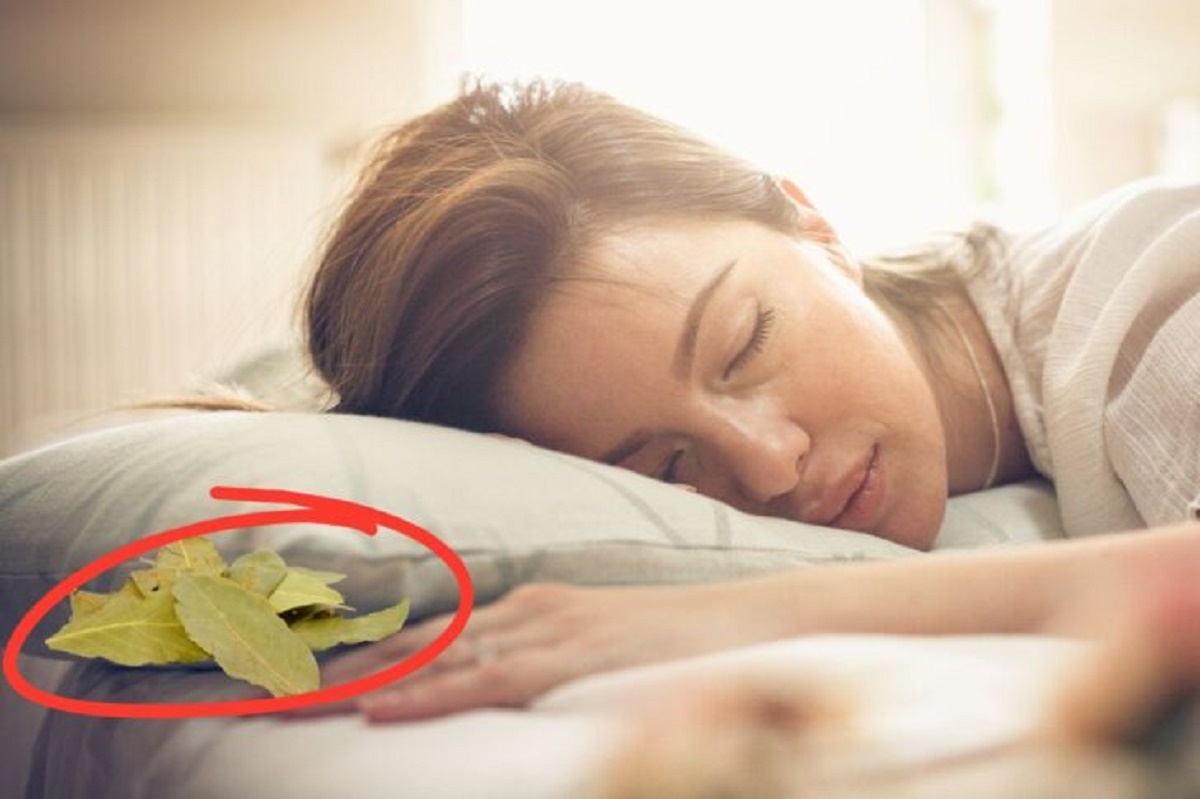
Known mostly for adding depth to stews and sauces, the humble bay leaf has recently stepped out of the kitchen and into the bedroom. A growing number of people are sliding dried leaves under their pillows at night — and swearing by the calming benefits. But is this just another internet fad, or does it actually work?
The bay leaf: more than a kitchen staple
For centuries, bay leaves have been prized in cooking for their earthy aroma. Yet beyond flavour, they’ve long been associated with healing and ritual use. Ancient cultures considered them symbols of protection and peace, and today, they’re being rediscovered as a natural aid for relaxation and sleep.
A gentle sedative from nature
Bay leaves are rich in compounds thought to have sedative and anti-inflammatory properties. Advocates say slipping one or two dried leaves under your pillow may help lower stress, reduce heart rate, and create the conditions for more restful sleep. Unlike pharmaceutical sleep aids, it’s a gentle remedy — one that doesn’t leave you groggy the next morning. Some even brew a simple bay leaf tea before bed to boost the calming effect.
How to prepare your pillow ritual
It doesn’t take much: pick up dried bay leaves at your local shop, or dry fresh ones from your garden. After rinsing, allow them to air dry for about ten days. Then, place one or two under your pillowcase. That’s it — no complicated routine required. The ritual itself can become a signal to your body that it’s time to wind down, much like dimming the lights or reading before bed.
A word of caution
Not all leaves are safe. Only bay laurel (Laurus nobilis) — the variety used in cooking — should be used. Don’t confuse it with oleander (Nerium oleander), which looks similar but is highly toxic. Bay laurel leaves are broad and dark green, while oleander has narrower leaves and bright flowers. Double-check before experimenting.
More than just sleep support
Bay leaves are multitaskers. In the kitchen, they enrich soups, sauces, and roasts — sometimes even replacing the need for extra salt. Around the house, they act as a natural moth repellent, tucked into wardrobes or drawers. It’s little wonder this unassuming leaf is enjoying a revival as a versatile wellness and household staple.
Should you try it?
While scientific evidence is still limited, many people find comfort in adding small rituals like this to their nighttime routine. If nothing else, the soothing scent and symbolic act of slipping a bay leaf under your pillow may encourage a sense of calm and mindfulness before sleep.
It’s inexpensive, natural, and harmless when done correctly — so why not? Tonight, trade counting sheep for trying a bay leaf and see if it gives your bedtime routine a peaceful twist.
Similar Posts:
- Wild garlic: forget pesto, savor it with just butter and bread
- Dark showering: the simple bedtime trick that could help you sleep better
- Why you should avoid eating iceberg or romaine lettuce
- forgotten ingredient makes budget soup irresistibly delicious
- Morning coffee may boost your mood before you even sip: the surprising science

Theo is a dynamic fitness coach who brings energy, realism, and flavor to healthy living. His content is about strong bodies, positive minds, and meals that fuel both.