
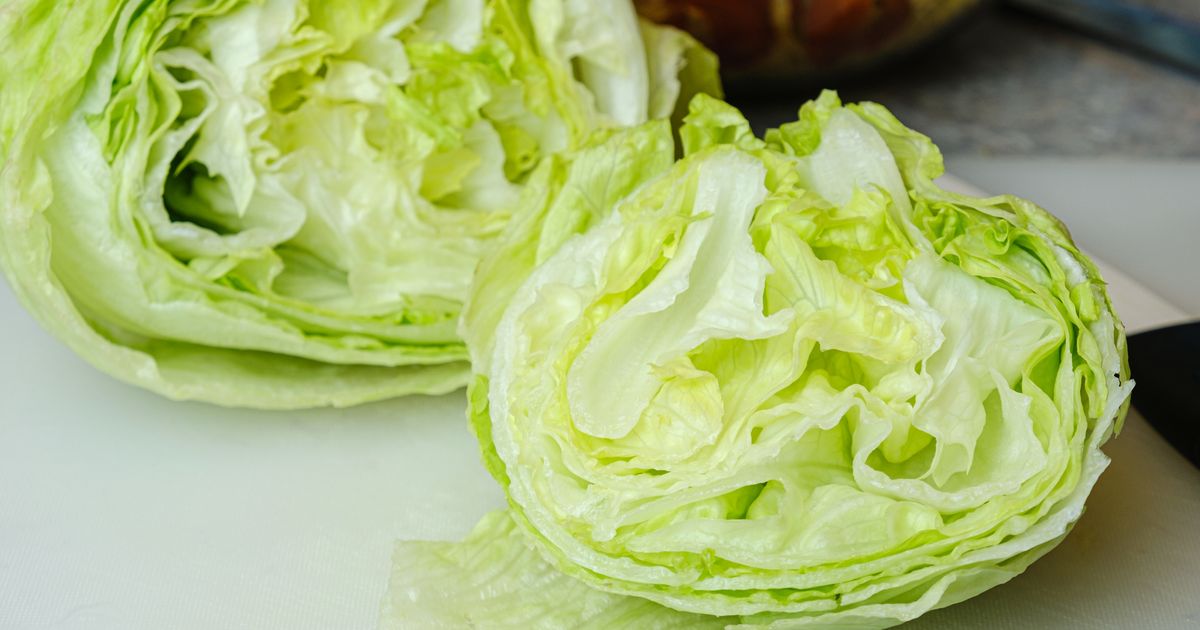
They may look fresh and inviting, but some of the most popular salad leaves offer little more than crunch. If you’re serious about getting the most out of your greens, it’s time to give iceberg and sucrine the cold shoulder and opt for leaves that actually deliver on nutrition.
Not all salads are created equal
You know that moment in the supermarket when you’re hovering over the salad section, trying to decide between the crisp crunch of iceberg and the more robust leaves of romaine? It’s tempting to go for what looks the cleanest and crunchiest. But here’s the twist: some of those neatly bundled lettuces are actually less nutritious than they appear.
If you’re regularly tossing iceberg or sucrine into your basket thinking you’re doing your body a favour—think again. These tightly packed salad varieties might look picture-perfect, but nutritionally speaking, they’re not exactly pulling their weight.
Why tight-leaf lettuces fall short
Iceberg and sucrine lettuces, known as “headed” or compact-leaf salads, have one main issue: they barely see the light of day. Quite literally. Their leaves grow snugly wrapped around one another, which means less exposure to sunlight—the magic ingredient that helps plants develop vital nutrients and antioxidants.
Without enough light, these lettuces don’t produce high levels of beta-carotene, polyphenols, or vitamin K. So while they do have a satisfying crunch and look lovely on a plate, their nutritional value doesn’t quite match their aesthetic appeal.
The darker, the better
Instead of reaching for the paler options, aim for darker, open-leaf varieties. These include romaine, oak leaf, batavia, curly lettuce, and even the slightly bitter escarole or radicchio (also called trevise). Yes, they might look a little less tidy and a bit more wild, but your body will thank you.
The general rule? The darker the leaf, the richer the nutrients. That purple-tinged lettuce your nan insisted on using? She was onto something. These varieties are typically packed with antioxidants, and they’re far better at delivering a hit of vitamins K and B9 than their pale counterparts.
Swapping smart for health’s sake
Now, this isn’t to say you need to banish iceberg forever. It’s still got its uses—namely in wedge salads or as a crispy base under spicy wings. But if you’re looking to boost your everyday vitamin intake without too much effort, a simple salad swap can make all the difference.
Think of it this way: if you’re going to the trouble of preparing a salad—washing, chopping, maybe even throwing in a vinaigrette—you might as well make it count. Choose leaves that have soaked up some sunshine and bring more than just texture to the table.
It’s not about being perfect. It’s about making small, easy changes that really add up—like choosing a salad that actually works for your health. So next time you’re in the veg aisle, show those darker greens some love. Your immune system, energy levels, and even your skin might just thank you for it.
Similar Posts:
- Why you should avoid eating iceberg or romaine lettuce
- Voted the World’s Healthiest Food… and You Probably Never Eat It
- Discover the food considered the healthiest by researchers
- This “healthy” salad food is actually loaded with sugar
- This salad staple isn’t as healthy as you think — it’s loaded with sugar

Theo is a dynamic fitness coach who brings energy, realism, and flavor to healthy living. His content is about strong bodies, positive minds, and meals that fuel both.