
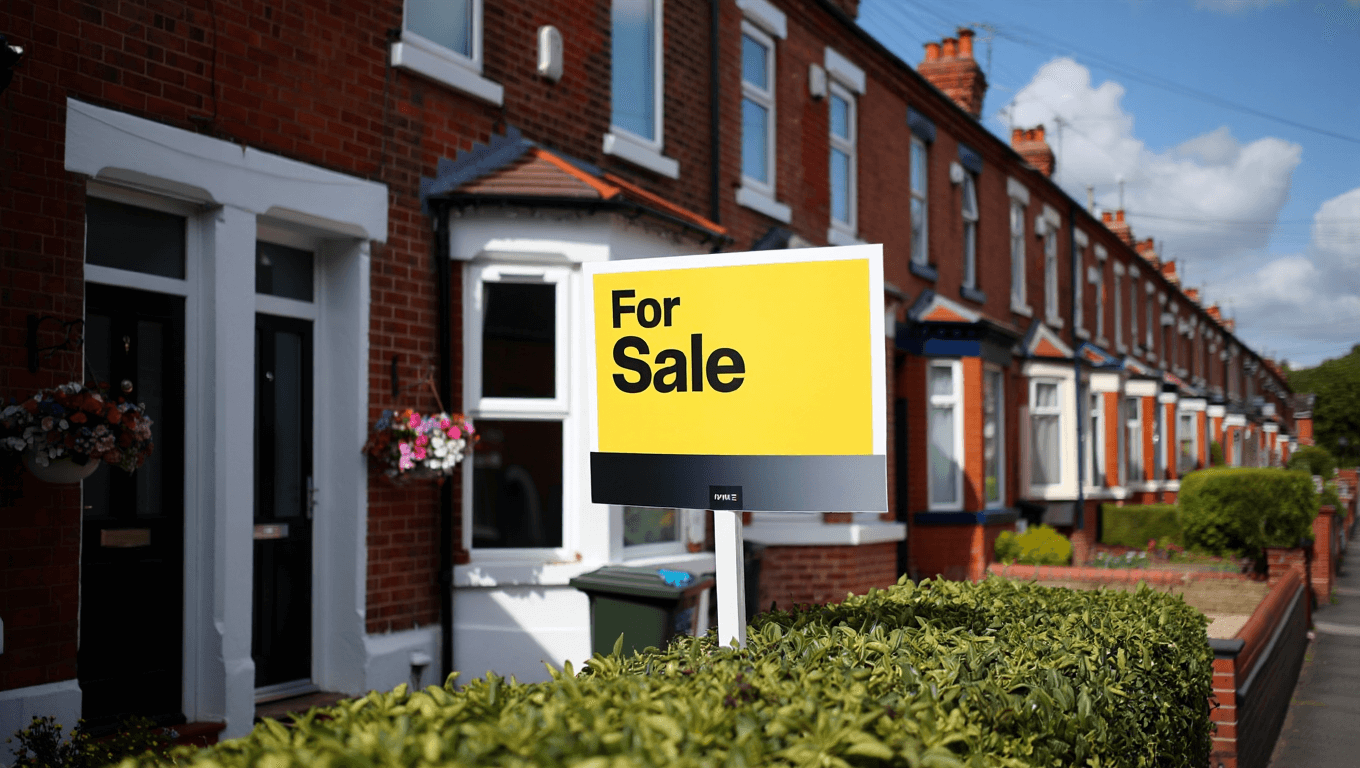
The UK housing market began 2026 with renewed momentum, as the average property value breached the £300,000 mark. New data from Halifax shows prices rebounding after a sluggish end to last year, while falling mortgage rates and renewed buyer interest are reshaping the early-year outlook for sellers and buyers alike.
Latest numbers: What the Halifax index reveals
Halifax’s monthly house price index recorded a rise in January, pushing the national average to £300,077. That increase of 0.7% month-on-month wiped out December’s fall and represented the largest single-month uptick since late 2024.
On an annual basis, Halifax finds prices about 1% higher than a year earlier. These figures suggest the market steadied after last year’s weakness, though the pace of growth remains modest.
How these figures compare with other official data
Different measures tell different stories. The Office for National Statistics places the typical home at roughly £271,000, well below Halifax’s average. Variations reflect distinct sample sizes and calculation methods used by each publisher.
Why the gap matters
- Halifax draws primarily on mortgage transactions from its own lender data.
- The ONS aggregates a wider set of sources across the whole market.
- Regional weighting and house-type mixes can skew the averages.
Regional patterns: winners and laggards
National averages hide significant local differences. Halifax reports that the four most expensive English regions have seen prices fall by more than 1% over the past 12 months.
Elsewhere, markets with ample stock are favouring buyers. In some sought-after coastal and southern locations, sellers are seeing more competition and must be realistic on price.
- High-end markets: more supply, slower price growth.
- Pickup in activity: buyers who paused in 2025 are returning.
- Regions with constrained stock show firmer pricing pressure.
Mortgage costs and the Bank of England outlook
Mortgage pricing has eased in recent weeks. Lenders are increasingly offering deals under 4%, according to market commentators. That shift is helping restore affordability for some buyers.
The Bank of England kept interest rates unchanged at its latest meeting. However, economists and lenders widely expect the bank to move to cuts this year, perhaps twice, if inflation continues to cool.
Industry reaction: agents and advisers weigh in
Property professionals describe January as a return to more familiar market rhythms. Activity levels have risen, even if broad price surges are limited.
Nicholas Finn, managing director at Garrington Property Finders, says the start of the year feels like a restoration of normal buying patterns. Estate agents report a busier opening to 2026 as deferred buyers re-engage.
- More viewings and instructions for sale were recorded in January.
- Upper-end discretionary buyers are returning as rates fall.
- Renter-to-buyer conversions are picking up where monthly deals allow.
What’s driving the renewed confidence
A few factors are combining to underpin the current tone in housing markets:
- Lower mortgage costs, making monthly payments more affordable.
- Perceived stability as inflation shows signs of easing.
- Seasonal effects: buyers often reappear after the holiday lull.
These elements are prompting some would-be purchasers to act now rather than wait for deeper price moves.
Forecasts and market expectations for 2026
Halifax projects a modest rise in prices for the year ahead. Their guidance suggests a gain in the low single digits, with a range of around 1% to 3% possible if current trends persist.
Analysts caution that much depends on how quickly borrowing costs fall and whether supply pressures change across regions. A slower-than-expected easing of rates could dampen buyer enthusiasm again.
Practical implications for buyers and sellers
For buyers, improved mortgage deals widen options. Those on the fence may find fixed-rate offers under 4% attractive.
Sellers should note that activity has increased, but pricing discipline remains important where stock is plentiful. Realistic expectations will help properties sell faster.
- Buyers: shop rates and lock a competitive deal if terms suit your plan.
- Sellers: consider staging and pricing for current demand levels.
- Both sides: expect regional variation and factor it into negotiations.
Similar Posts:
- House prices slump to six-month low: average home loses nearly £1,800 in December
- House prices fall by £1,789: Halifax says homes more affordable
- First-time buyers offered once-in-a-decade opportunity: property expert
- Chinese car sales surge: BYD and Jaecoo chase even bigger wins
- Tesla UK sales plunge 57% as Elon Musk is blamed: BYD overtakes

Naomi is a clean beauty expert passionate about science-driven skincare and natural remedies. She demystifies ingredients and shares routines that empower readers to glow — naturally.