
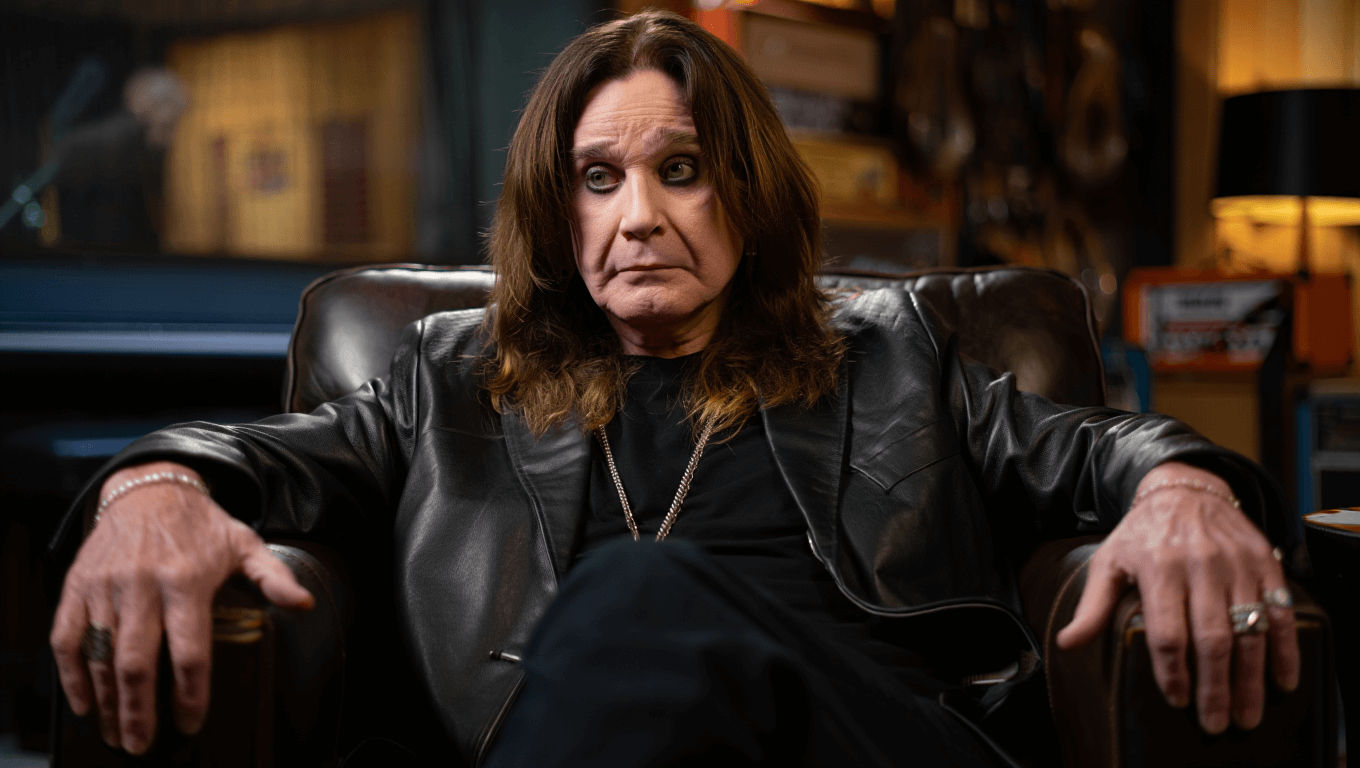
Ozzy Osbourne’s death has renewed public focus on Parkinson’s disease and the daily struggles it brings. The rock legend’s last years, shaped by tremors, falls, and limited mobility, have put a human face on a complex neurological condition.
What Parkinson’s is and how many people it touches
Parkinson’s disease is a progressive disorder of the nervous system. It happens when brain cells that produce dopamine die or stop working properly.
- More than 1 million Americans are living with Parkinson’s, according to the Parkinson’s Foundation.
- Roughly 90,000 new diagnoses occur in the U.S. each year.
- About 96% of new cases are in people older than 50.
Researchers point to a mix of genetic and environmental factors as possible contributors. The disease affects movement, balance, and many non-motor systems.
Common symptoms that change daily life
Parkinson’s produces a wide and unpredictable array of symptoms. Some are visible. Others are internal and disabling.
- Tremors or shaking
- Muscle stiffness and reduced range of motion
- Slowed movements and difficulty initiating steps
- Higher likelihood of falls and fractures
- Problems with thinking, memory, and planning
- Low blood pressure and dizziness
- Constipation and digestive issues
- Changes in sexual function
- Disrupted sleep patterns
- Slurred or soft speech
The combination of motor and non-motor symptoms means daily tasks like dressing, eating, or speaking can become exhausting and time-consuming.
Why falls are a top concern for people with Parkinson’s
Doctors warn that falls are a leading source of harm for Parkinson’s patients. A single fall can trigger a cascade of problems.
- Broken bones or head injuries
- Hospital stays and infection risk
- Loss of mobility and greater dependence
- Worsening cognition and mood after prolonged immobility
Specialists emphasize balance training, home safety checks, and careful medication management to lower the odds of dangerous falls. Preventing one fall can preserve independence and avoid serious downstream complications.
Practical strategies to improve quality of life
While Parkinson’s has no cure, a range of therapies and lifestyle changes can reduce symptoms and boost day-to-day functioning.
Move more: exercise as medicine
Regular physical activity is one of the most effective steps. Exercise helps mobility, balance, mood, and even thinking skills.
- Walking and brisk aerobic sessions
- Dancing and rhythm-based movement
- Boxing-style classes designed for Parkinson’s
- Mind-body practices like yoga and tai chi
- Targeted balance and strength training
Neurologists often describe routine, structured workouts as a core part of care. Exercise can slow decline and improve daily function.
Nutrition and digestion
Diet matters for medication effectiveness and bowel regularity. Some practical tips include:
- Choose antioxidant-rich fruits and vegetables
- Eat plenty of fiber to prevent constipation
- Space protein-heavy meals to optimize drug absorption
Brain health and social connection
Cognitive activities and social engagement support mental sharpness and mood.
- Puzzles, reading, and memory games
- Music therapy and group activities
- Maintaining friendships and community ties
Multidisciplinary care teams — including neurologists, therapists, dietitians, and social workers — are recommended to address the full range of needs.
Public figures, advocacy, and research progress
High-profile patients have helped raise awareness and funding. Actor Michael J. Fox, diagnosed at age 29 in the early 1990s, has been a major advocate.
- He revealed his diagnosis publicly in 1998.
- His foundation has funneled billions into Parkinson’s research since 2000.
Celebrities and advocates highlight both the daily hardships and the potential to live meaningfully with the disease. Their visibility also channels funding toward new treatments and clinical trials.
Ozzy Osbourne’s final years and what they illustrate
Ozzy Osbourne, who died at 76, disclosed a Parkinson’s diagnosis in 2020. He had suffered serious falls the year before that diagnosis.
Family members later said his mobility became very limited. He still performed recently while seated at a farewell concert.
The singer’s experience illustrates how Parkinson’s symptoms can vary and intensify over time. It also underscores the need for care strategies that address both physical safety and quality of life.
Similar Posts:
- Jack Osbourne Pays Tribute to Dad Ozzy: Rocks Black Sabbath Tee 1 Month After Legend’s Passing
- Jesse Jackson dies at 84: Parkinson’s misdiagnosis later revealed as PSP
- Lyme Disease Nightmare: Years of Ignored Symptoms Before Diagnosis
- Justin Timberlake reveals relentlessly debilitating Lyme disease battle
- Steps per day by age for optimal heart health: fitness expert reveals
Cole is a passionate vegan dessert artist with a knack for turning indulgent classics into plant-based masterpieces. His sweet creations are where flavor meets conscious living.