
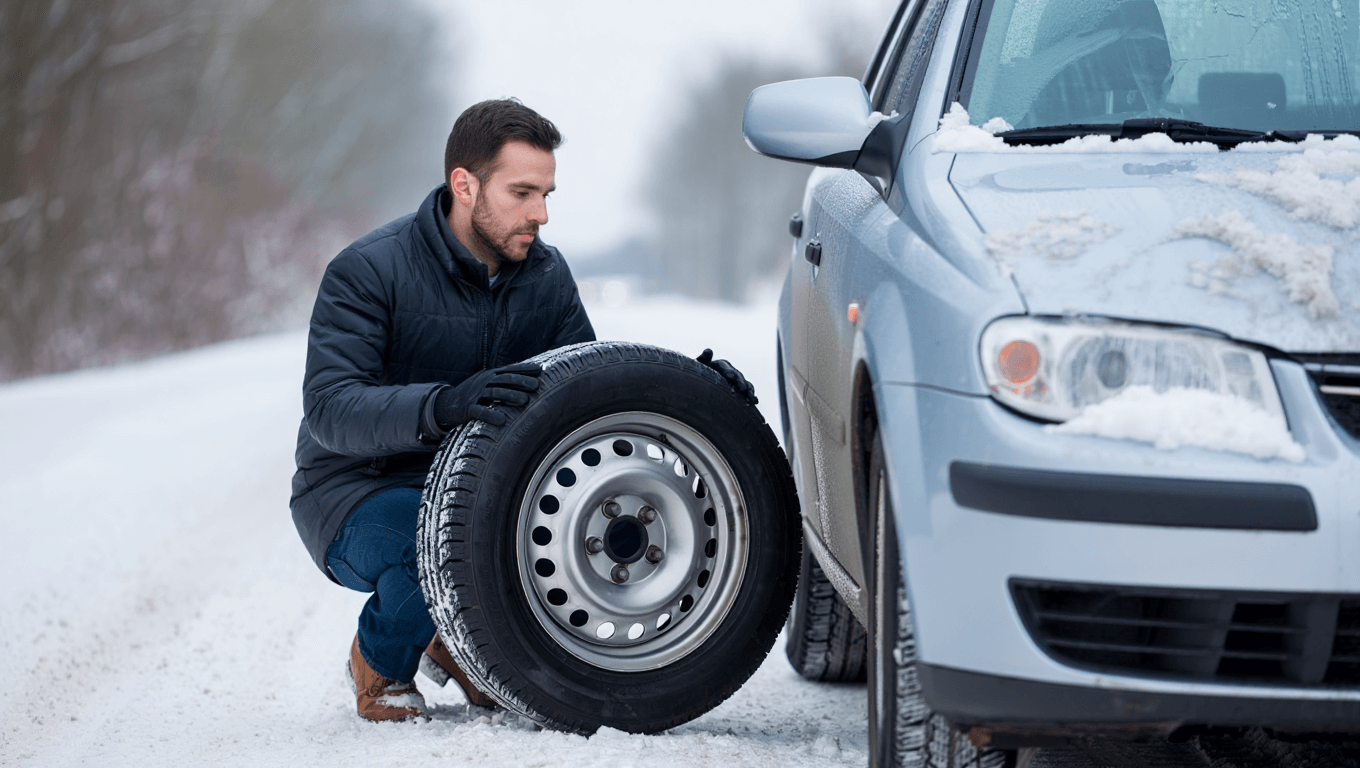
A new survey has revealed a worrying gap in basic tyre knowledge among British motorists, leaving many drivers exposed to higher repair bills and safety risks.
How many drivers misunderstand EU tyre labels?
The research shows nearly half of UK motorists admit they do not understand the EU tyre label system.
- 47% of respondents said they had no grasp of what the labels mean.
- Around two thirds could not correctly identify the symbols that indicate tyre safety features.
- More than 60% rarely, if ever, check tyre labels when shopping for replacements.
Which label symbols cause the most confusion?
Not all label icons are equally recognised. Some are misunderstood by an overwhelming majority.
- The symbol for icy conditions was misread in roughly 92% of cases.
- The wet grip icon, often shown as a rain cloud, was identified correctly by about two in three drivers.
- Other elements, such as rolling resistance and exterior noise, were poorly understood by many.
Why these labels matter for safety and running costs
EU tyre labels summarise key performance data that affects fuel use, braking, and comfort.
- Fuel efficiency / rolling resistance influences fuel consumption and emissions.
- Wet grip affects braking distance on rainy roads.
- Noise ratings reflect exterior road noise and can hint at construction quality.
- Snow and ice suitability helps drivers choose tyres for winter conditions.
Poor understanding of these markers can lead to unsafe choices and higher expenses.
The maintenance fallout: MOTs and failures
Official testing data points to a connection between poor tyre upkeep and vehicle checks.
- The Driver and Vehicle Standards Agency recorded over two million MOT failures linked to tyre defects between 2023 and 2024.
- Many of those cases are tied to worn tread, incorrect tyres for conditions, or damage missed during purchase.
How drivers usually choose tyres — habits that leave gaps
The survey found strong dependence on professional recommendations, but little independent verification.
- Three quarters of drivers typically accept a garage’s suggestion without researching alternatives.
- More than half perform only minimal checks before buying new tyres.
- One in three conduct very little research, while one in four do no research at all.
- Drivers over 65 were the least likely to look into tyre options, with about 36% doing no pre-purchase checks.
Practical steps motorists can take right now
Before you buy
- Check the EU label on listings and packaging for fuel, wet grip, and noise ratings.
- Match tyre type to your typical driving conditions and seasons.
- Compare a few models and read independent reviews.
After purchase
- Verify fitment and correct tyre size for your car.
- Check tread depth and pressure regularly.
- Rotate tyres and get professional inspections when in doubt.
How online services are trying to help buyers
Marketplaces and retailers are improving the shopping experience by making label data clearer.
- Some online platforms now show EU tyre labels directly in product listings.
- Fitment services link buyers to local installers and highlight the tyre’s performance ratings.
- These features help shoppers compare options and find compatible installation centres.
Industry voices urge motorists to use these tools and learn the symbols.
Expert advice and industry reaction
Representatives from parts and accessories firms warn that a lack of basic label literacy could cost drivers money.
- Companies promoting clearer label displays say informed buyers choose safer, more economical tyres.
- Experts also recommend long-term checks to avoid avoidable MOT failures and roadside incidents.
Similar Posts:
- Motability rule changes set to hit thousands of drivers within weeks
- Motability warns of changes arriving in days: new mileage limits, fees and prices hit thousands
- Over-70s twice as likely to cause road collisions: new driving laws considered
- EVs: drivers expected to ditch petrol and diesel as travel costs soar
- New License Plate Rules Launching Soon: Drivers Face Soaring Costs!

Naomi is a clean beauty expert passionate about science-driven skincare and natural remedies. She demystifies ingredients and shares routines that empower readers to glow — naturally.