
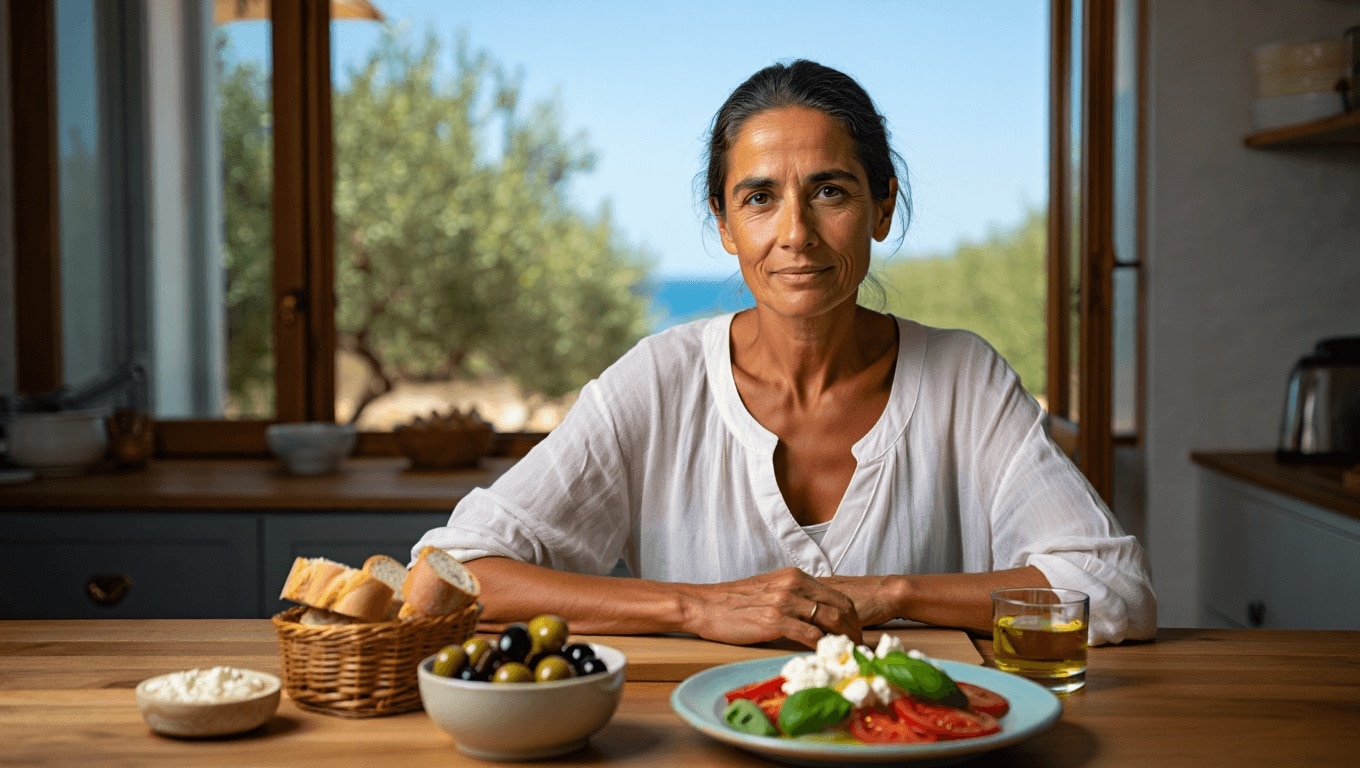
A new research analysis suggests that following a Mediterranean-style diet may be linked to a lower chance of stroke for women. Scientists report a pattern in which dietary habits rich in plants, healthy fats and whole foods appear to correspond with reduced stroke incidence among female participants. The findings add to growing interest in diet as a modifiable factor in stroke prevention.
What the study observed about diet and stroke in women
Researchers examined dietary patterns and cardiovascular outcomes and observed a notable difference by sex. While both men and women benefit from heart-healthy eating, the association between a Mediterranean dietary pattern and lower stroke occurrence was stronger among women in this analysis.
- Association, not proof: The study links diet and stroke risk but does not prove cause and effect.
- Pattern observed: Women who adhered more closely to Mediterranean-style eating showed fewer stroke events than those with lower adherence.
- Consistency across groups: The protective signal persisted after accounting for age and some lifestyle differences.
Key elements of the Mediterranean diet that matter
The Mediterranean pattern emphasizes whole, minimally processed foods. These components can influence blood pressure, inflammation and blood vessel function—factors tied to stroke risk.
Main foods to focus on
- Plenty of vegetables and fruits
- Whole grains instead of refined products
- Legumes, nuts and seeds as protein and fiber sources
- Olive oil as the principal fat
- Moderate fish and poultry; limited red meat
- Optional moderate wine intake with meals, depending on personal risk
Why women might see greater benefits
Several biological and social factors could explain the stronger link in women. Hormonal differences, body fat distribution and how women metabolize fats and sugars all play a role in vascular health.
- Hormones can affect blood vessels and clotting differently in women.
- Response to dietary fats and inflammation may vary by sex.
- Women often have different lifestyle and healthcare access patterns that interact with diet.
These factors might amplify the diet’s protective effect for women, but more targeted research is needed to confirm mechanisms.
What this means for individuals thinking about their risk
Adopting a Mediterranean-style dietary approach can be a practical step to support vascular health. It is one part of a broader prevention strategy that includes physical activity and managing blood pressure and cholesterol.
- Start with more vegetables, fruits and whole grains.
- Swap butter for olive oil; choose nuts as snacks.
- Limit processed foods and sugary drinks.
- Talk with your clinician about how diet fits into your risk profile.
Small, sustained changes are easier to keep and can add up.
Limitations to keep in mind about the research
The study relied on observational data and dietary questionnaires. These methods can introduce bias and cannot fully rule out other factors that explain the link.
- Observational studies identify associations, not direct causes.
- Self-reported food intake can be inaccurate.
- Other lifestyle or genetic factors may influence results.
Therefore, the findings should inform choices but not be taken as definitive proof.
Practical next steps and public health implications
For clinicians and public health planners, the analysis reinforces existing guidance about heart-healthy eating. Promoting access to fresh foods and educating about simple dietary swaps can support stroke prevention, especially among women.
- Community programs can increase availability of fresh produce.
- Healthcare providers can include diet counseling in routine care.
- Further trials could test whether deliberate dietary changes lower stroke rates.
Similar Posts:
- Mediterranean diet rich in vegetables and fruit could slash gum disease risk
- Early menopause linked to high blood pressure: 6 proven ways to cut your risk
- Plant-based diets rival Mediterranean diet for health: study
- Ultra-processed foods may raise risk of early-onset colorectal cancer in women
- Avocado a day may lower heart disease risk: study finds

Cole is a passionate vegan dessert artist with a knack for turning indulgent classics into plant-based masterpieces. His sweet creations are where flavor meets conscious living.