

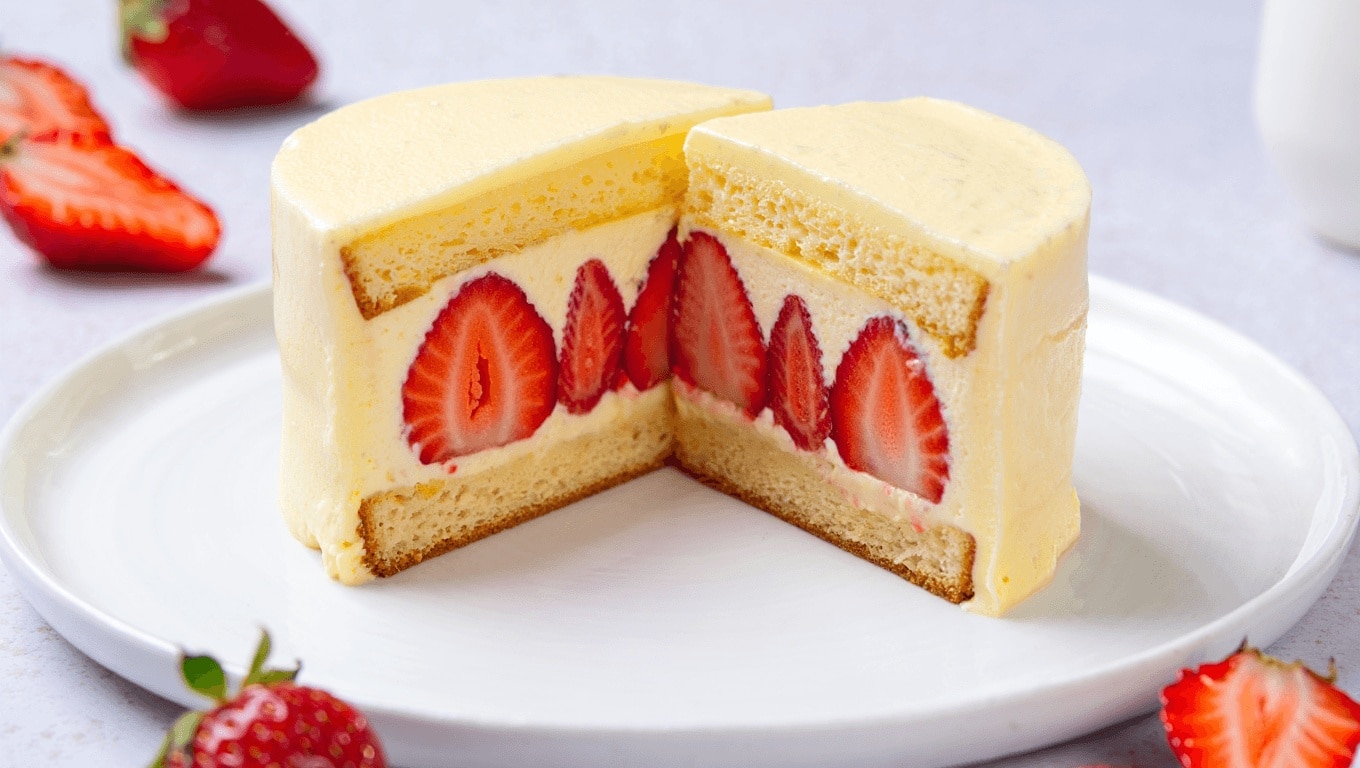
The fraisier is a signature French pastry that captures summer with every bite. Bright strawberries, pillowy sponge, and a rich crème mousseline come together to form a dessert both elegant and comforting. This piece explores the fraisier’s story, its key components, and practical tips to bake one that looks and tastes like it came from a Parisian patisserie.
Origins and rise of the French strawberry cake
The fraisier emerged in the 20th century as a refined take on fruit-topped tortes. Chefs in France elevated simple strawberry tarts into a layered cake that showcased seasonal fruit at its best. Over decades, the fraisier became a staple of celebratory menus and a test of a pastry chef’s skill.
Why it matters to pastry lovers
For professionals and home bakers alike, the fraisier tests texture, balance, and timing. It blends light sponge with a creamy filling while preserving the fresh scent of strawberries. Getting each element right is what separates good from exceptional.
What is a fraisier? Key parts explained
- Sponge base: Often a génoise or light almond sponge that absorbs a simple syrup for moisture.
- Crème mousseline: A butter-enriched pastry cream that is silky but stable enough to hold layers.
- Strawberry layer: Whole or halved fresh strawberries placed against the cake ring for visual effect.
- Top finish: A thin layer of marzipan, glaze, or powdered sugar gives a polished look.
Step-by-step guide to baking a classic fraisier
Below is a straightforward path to recreate a traditional fraisier at home. Times and quantities can be adapted to your pan size.
- Prepare a light genoise sponge and bake until golden. Let it cool on a rack.
- Make pastry cream, cool it, then whisk in softened butter to form crème mousseline.
- Slice the sponge into two layers horizontally. Brush both with simple syrup.
- Line a cake ring with acetate for clean edges. Arrange halved strawberries around the inner wall, cut side facing out.
- Spread a layer of crème mousseline on the sponge. Add a compact layer of chopped strawberries to the center if desired.
- Place the second sponge layer on top. Press gently and chill to set the cream.
- Finish with a thin sheet of marzipan or a light glaze. Chill again before unmolding.
Practical tips for reliable results
- Use ripe, firm strawberries for both flavor and structure.
- Keep the butter and cream at cool room temperature for smoother mousseline.
- Line the mold with acetate to reveal neat, transparent sides.
- Chill between stages. Resting improves slicing and flavor melding.
- For an alcohol note, brush the sponge with kirsch or a berry liqueur.
Variations and modern twists to try
Contemporary bakers reimagine the fraisier with playful substitutions. Some popular choices:
- Mixing almond cream into the sponge for extra depth.
- Adding a layer of strawberry compote for more jammy texture.
- Using a lighter mousseline with whipped cream folded in for an airier fill.
- Swapping marzipan for a mirror glaze for a glossy finish.
Serving, storage, and make-ahead advice
- Serve chilled to highlight the contrast between cream and fruit.
- Keep refrigerated up to 48 hours for best texture and taste.
- Assemble the dessert a day ahead to let flavors develop, but add fragile decorations just before serving.
Similar Posts:
- Strawberry fraisier cake: the showstopping dessert you need to try
- Mother’s Day cake: our foolproof recipe for the best fraisier
- Strawberry Sponge Cake Delight: Master the Perfect Dessert at Home!
- triple strawberry cake goes viral: three-layer dessert wows customers
- Strawberry cheesecake coffee cake: creamy, crumb-topped brunch you’ll love