
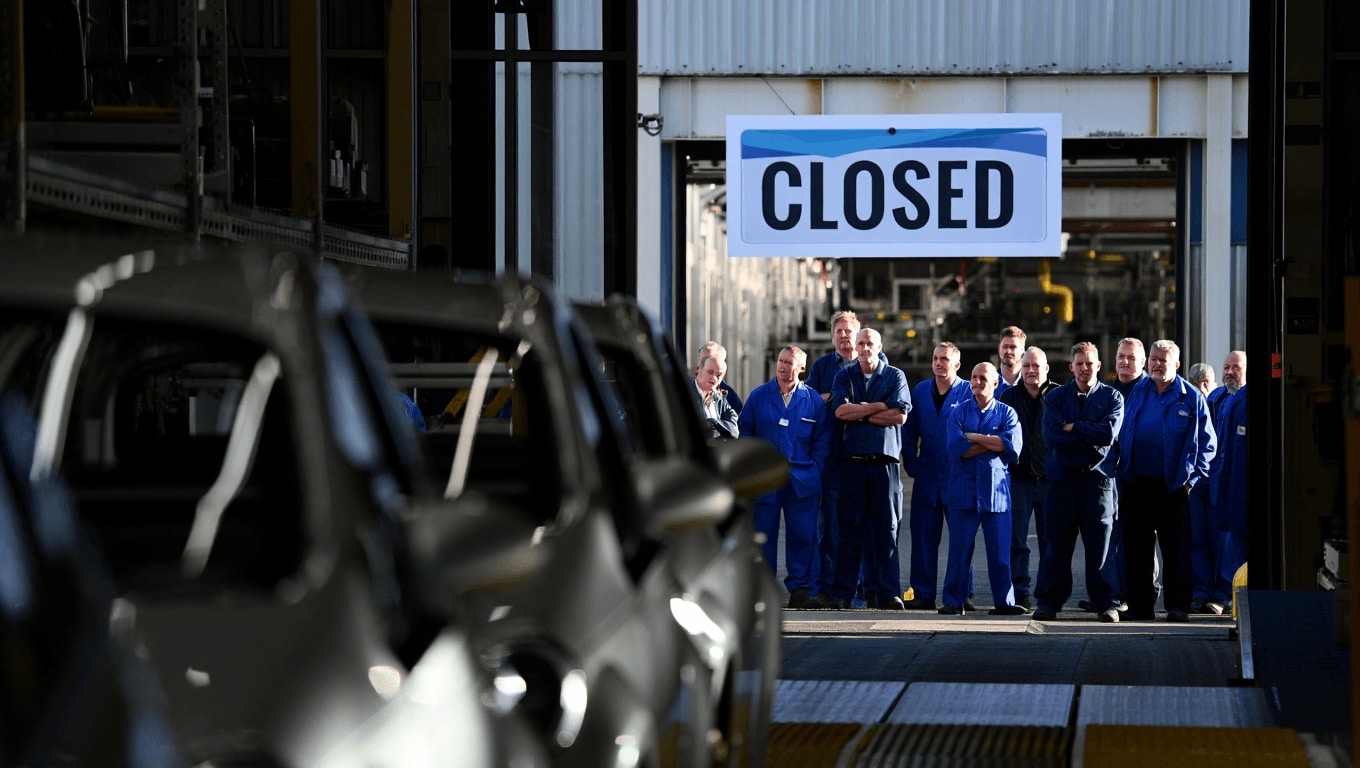
UK carmakers and trade groups have sounded the alarm over new European Union rules designed to boost manufacturing inside the bloc. The proposals aim to protect strategic industries, but British industry leaders warn the measures risk sidelining UK producers and straining post‑Brexit trade ties.
What Brussels is proposing and the aim behind it
The European Commission plans an Industrial Accelerator Act to sharpen its industrial policy. The goal is to strengthen manufacturing across the EU and shield key sectors from outside competition.
- The package includes “Made in EU” or low‑carbon sourcing rules for strategic sectors.
- Sectors in scope include steel, automotive production and net‑zero technologies.
- There are proposals for targeted incentives and a condition on foreign direct investment.
- The Commission has referenced measures to support emerging technologies with funding.
Rules that could reshape how cars and components qualify
One set of measures would tie market advantages to local production and supply chains. These requirements could affect eligibility for incentives and regulatory credits.
Key technical points to note
- From 2035, regulators are discussing a steep reduction in tailpipe emissions target for new cars.
- A portion of compliance could be linked to the use of low‑carbon steel and other regionally sourced inputs.
- Manufacturers producing small, affordable electric cars in the EU may access special credits.
- Funds of around €100 million are earmarked to support strategic nascent sectors like batteries.
Why UK industry groups say the changes are discriminatory
British auto representatives argue the new criteria could place UK manufacturers at a competitive disadvantage in EU markets.
- They warn eligibility rules may favour EU‑based factories and parts suppliers.
- The shift could affect cross‑border component trade, which is central to automotive supply chains.
- Industry bodies estimate the UK‑EU automotive trade is worth tens of billions annually.
UK leaders fear the measures would exclude British production from the full benefits of EU support. That risk, they say, could damage a tightly integrated market.
Legal and political concerns over the trade agreement
Some experts contend that the rules may touch on commitments in the EU‑UK Trade Cooperation Agreement.
They argue that preferential treatment for EU‑made goods could clash with provisions designed to ensure non‑discriminatory trade between the parties.
Industry calls for clarification and negotiation are growing, with UK officials urged to seek “trusted partner” status to protect market access.
How this fits into a wider industrial strategy
Brussels frames the plan as a response to market shifts and competitive pressures from global producers.
- Reports influencing the proposals highlighted concerns about state subsidies, raw material access and scale advantages abroad.
- Officials want to make sure inward investment delivers local value and jobs.
- The measures are part of a wider push to secure clean technology supply chains inside Europe.
Industry reaction, demands and next steps
Automakers and trade groups are urging immediate dialogue between London and Brussels.
- They want clear rules that recognise integrated cross‑border supply chains.
- They seek assurances the UK will be treated as a reliable partner for zero‑emission vehicle supply.
- Possible outcomes include exemptions, negotiated “trusted partner” arrangements or legal challenges.
EU institutions will continue drafting the legislation and aiming for rule confirmations ahead of major 2035 targets. Observers will watch negotiations closely as details are finalised.
Similar Posts:
- £70bn car industry at risk: Labour urged to strike deal with EU before new Brexit rules
- Nissan warns Sunderland factory could close: existential threat from EU
- UK car production plunges: 188,000 automotive jobs at risk as industry demands urgent action
- Brexit rules to hit Britons: made in Europe plans threaten UK car sector
- 25% car tariffs: Trump slams EU with new trade attack

Naomi is a clean beauty expert passionate about science-driven skincare and natural remedies. She demystifies ingredients and shares routines that empower readers to glow — naturally.