
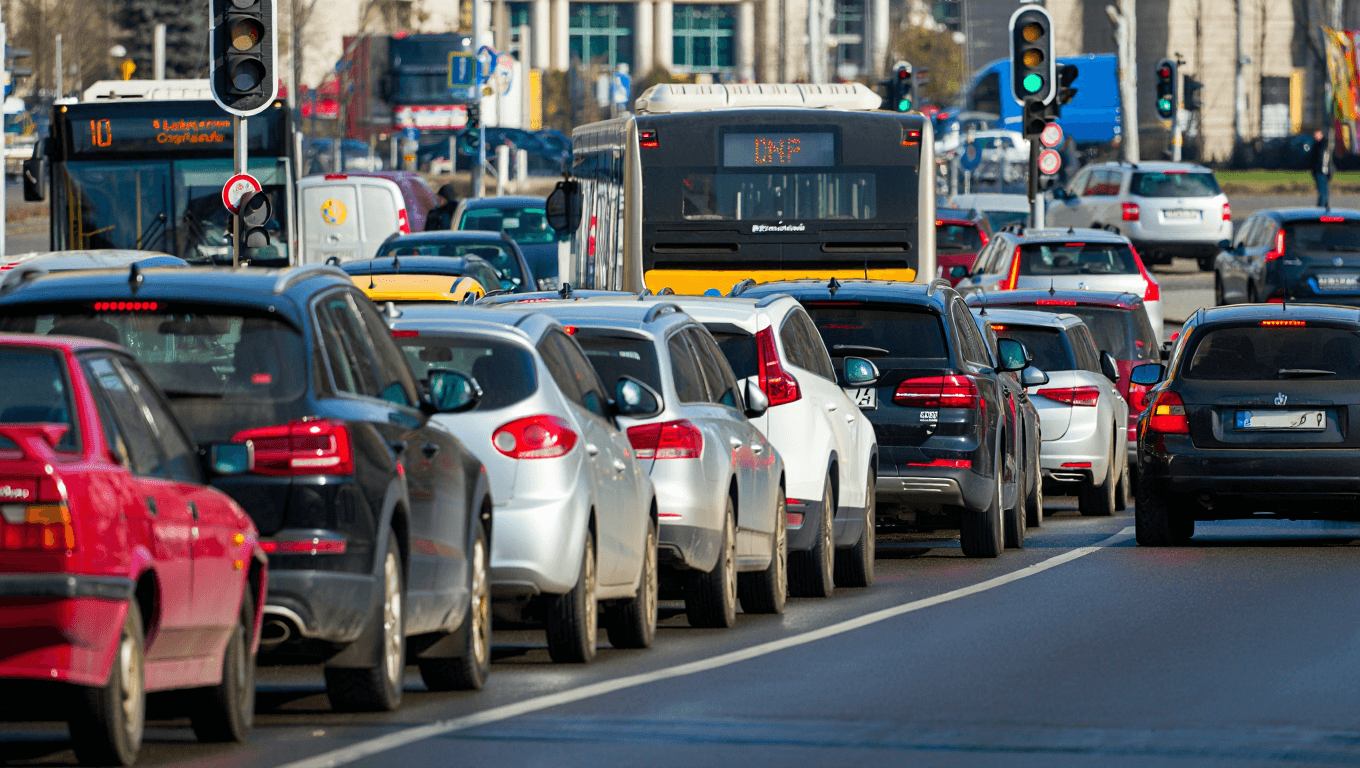
New analysis suggests Clean Air Zones have helped cities across England and Wales lower dangerous fine particle pollution far sooner than expected. The study finds most neighbourhoods now meet the UK’s legal limit for PM2.5, pointing to local charging schemes and other measures as key drivers of change.
Clean Air Zones: what they are and where they operate
Clean Air Zones (CAZ) are targeted areas where older, more polluting petrol and diesel vehicles face daily charges.
- They aim to cut emissions from traffic in dense urban centres.
- CAZ schemes run in cities such as Bath, Birmingham, Bristol, Sheffield, Bradford, Portsmouth and Newcastle.
- Most schemes operate 24 hours a day, seven days a week, with fees applying from midnight to midnight.
In many places, private cars escape charges. The fees mainly hit commercial vehicles — taxis, vans, buses and lorries — which account for a large share of roadside emissions.
Key findings from the Believ data on PM2.5 levels
Electric vehicle charging firm Believ compared pollution across two windows: pre-pandemic 2017–2019 and 2022–2024. The firm excluded pandemic years to avoid distortion.
- National PM2.5 levels fell by roughly 6% between the two periods.
- Around 99% of neighbourhoods in England and Wales now meet the UK’s legal PM2.5 limit.
- Top-performing areas for reducing fine particles included Portsmouth, Brighton and Hove, and Medway.
Believ’s chief executive said local policies on cleaner transport, energy and planning show that targeted action delivers measurable results. “Local action can produce real improvements,” was the assessment.
Where the UK still lags behind World Health Organization guidance
Although legal UK limits are being met almost universally, the tougher World Health Organization (WHO) guideline remains out of reach for much of England.
- Every local authority in Scotland and Northern Ireland now meets the stricter WHO target.
- But large English regions did not achieve WHO levels, including London, the South East, Yorkshire and the Humber, the East Midlands, and the East of England.
- Nearly four in five local authorities exceed the WHO guideline, and 95% of neighbourhoods remain above that international benchmark.
Health experts warn this gap matters. Air pollution is linked to a broad range of conditions, from cardiovascular disease to respiratory infections and complications in pregnancy. Long-term exposure to PM2.5 is associated with increased risks of strokes, lung cancer and other chronic illnesses.
Professor Stephen Holgate of the University of Southampton highlighted the breadth of harm. He argues pollution accelerates biological ageing and contributes to hundreds of health problems. “This is a public health crisis as much as an environmental one,” he said.
How charges vary and how enforcement works
CAZ pricing schemes are not uniform. Local authorities set different charge levels and enforcement rules based on local priorities.
- Bradford: taxis may face around £7 per day.
- Bath, Birmingham and Bristol: buses, coaches and heavy goods vehicles can be charged up to £100 per day in some cases.
- Portsmouth: CAZ introduced in November 2021, charging £10 for taxis and £50 for heavy vehicles.
Penalties for late payment also differ. In Portsmouth, drivers who fail to pay within six days can receive a penalty notice up to £120.
Public health impact and the human cost of pollution
Air pollution remains a major public health burden in the UK.
- Estimates suggest pollution contributes to around 36,000 premature deaths annually in the UK.
- Long-term PM2.5 exposure is implicated in heart disease, stroke and impaired fetal development.
- Experts warn even modest reductions in pollution can deliver significant health gains.
Researchers stress that meeting legal limits is a vital step, but falling short of WHO targets means many communities still face avoidable harm.
Practical steps cities can take to sustain improvements
Local measures that reinforce air quality gains tend to focus on transport, energy and planning.
Actions to consider
- Expand controlled zones and low-emission areas to cover more streets.
- Encourage fleet upgrades to low-emission or electric vehicles.
- Increase public charging infrastructure and active travel options.
- Deploy cleaner public transport and retrofit buses where possible.
- Integrate air-quality goals into local planning and housing policy.
Policymakers and health advocates say a combination of regulation, incentives and investment will be needed to make the air safer for everyone.
Similar Posts:
- £800 annual hit for van drivers from clean air zone charges
- UK city plans road charges for petrol and diesel drivers: thousands face higher costs
- Electric bus fleet forced to use diesel generators months after launch
- Electric car uptake stalls: most drivers unaware of Labour’s £3,750 grant
- Parking charges for SUVs and large cars to be voted on in UK city: it’s only fair

Naomi is a clean beauty expert passionate about science-driven skincare and natural remedies. She demystifies ingredients and shares routines that empower readers to glow — naturally.