Is eating soup every night a good idea? Nutritionists weigh in

eating soup every night

It’s comforting, easy to whip up, endlessly versatile, and quietly nourishing—no wonder soup has found its way into so many evening routines. Whether it’s a chunky vegetable medley, a smooth carrot and ginger blend, or that creamy cauliflower number you keep meaning to perfect, soup is the rare meal that feels both cosy and clean. But is slurping it down every single night actually a good habit?

Turns out, the humble bowl of soup is more than just a warm hug in winter—it can be a smart nutritional choice, too. But, as always, there are a few caveats worth keeping in mind.

Read more

Hot chocolate, tea or wine: which drink has the most antioxidants?

Hot chocolate, tea or wine

When the weather turns chilly, we instinctively reach for something warm and comforting. A steaming cup of tea, a rich hot chocolate, or maybe even a glass of red wine by the fire—it’s the season for cozy rituals. But if you’re also looking to sneak in some health benefits while you warm your hands, here’s a nugget that might surprise you: hot chocolate comes out on top when it comes to antioxidant power.

That’s right. Among some of our favourite winter warmers, pure hot cocoa leaves tea and wine trailing in the antioxidant stakes. And no, we’re not talking about sugar-laden sachets or syrupy coffee shop versions—this is about cocoa in its natural, unprocessed glory.

Read more

Always tired? What doctors recommend to fight chronic fatigue

Always tired

Let’s face it—feeling drained from the moment you wake up isn’t exactly a rare phenomenon these days. Even when you’re tucked into bed by 10, skipping the late-night Netflix scroll, that bone-deep exhaustion just won’t budge. If this sounds familiar, you’re not alone—and you’re not powerless either.

According to health experts, most persistent fatigue has more to do with daily habits than with anything pathological. Of course, there are exceptions—conditions like anemia, sleep apnea, or even more serious illnesses can be the culprits—but for the vast majority of us, the solution lies in fine-tuning our routine. So let’s walk through the real-world advice doctors give to help recharge your batteries, minus the caffeine overload.

Read more

This garlic-based dish is scientifically proven to reduce belly fat

garlic-based dish scientifically proven

There’s a reason the humble kimchi has earned a place at the table of fitness enthusiasts and health-conscious eaters alike. Beyond its spicy, garlicky punch and cult culinary status, this traditional Korean dish might just be your new best friend in the battle against belly fat. Yes, the tangy, fermented cabbage (or radish) could be working harder for your waistline than you think.

So what’s in this fiery ferment that makes it a stealth health weapon? For starters, garlic, that immune-boosting, flavour-packing bulb, plays a starring role. Add to that a medley of vegetables, lashings of spice, and the magic of fermentation—and you’ve got more than just a side dish. You’ve got science on your plate.

Read more

This 115 kg child stuns the world—experts react to the health crisis

115 kg child stuns the world

Back in 2016, photos of a 10-year-old Indonesian boy went viral: he weighed nearly 200 kg, living most days seated or in a small pool, surviving on gigantic meals of fatty, sugary foods. His mother, Rokayah, recalled to journalists how he could only take a few steps before losing balance, constantly out of breath and too fatigued even for play. Experts warn that morbid obesity in youth dramatically raises the risk of heart disease and type 2 diabetes, a trend the World Health Organization describes as childhood obesity having tripled since 1975.

Read more

Doctor reveals the one muscle to train for better sugar control

one muscle to train for better sugar control

If you’ve ever wondered why some workouts leave you feeling more energetic, it’s all about engaging your largest muscle groups. Skeletal muscles—especially those in your quadriceps, hamstrings, and glutes—act like massive sugar sponges during exercise. When you squat or lunge, these muscles gobble up glucose from your bloodstream to fuel each rep, helping to smooth out those dreaded blood sugar spikes. I learned this myself after a tough tennis match: by adding extra lunges to my warm-up, my post-game energy slump vanished almost entirely. The American Diabetes Association confirms that muscle contractions during strength training can boost insulin sensitivity, making it easier for your body to shuttle sugar into cells where it belongs.

Read more

Want to lose belly fat? These science-backed tips actually work

lose belly fat

If you’ve ever felt bloated after a big salad, you’re not alone. Raw fruits and veggies are packed with fiber that can ferment in a sensitive gut, leading to discomfort. Cooking softens those fibers, making nutrients like beta-carotene and lycopene more accessible to your body. I learned this the hard way last winter: a plate of raw broccoli left me feeling gassy, but lightly steamed florets went down without a hitch. The Academy of Nutrition and Dietetics even points out that gentle cooking can deactivate certain allergens, helping you enjoy more variety without digestive drama.

Read more

This 5-minute Japanese method sculpts rock-hard abs fast

5-minute Japanese method sculpts rock-hard abs fast

If you’ve ever rolled off your office chair with a sore back, you’ll appreciate how just five minutes of targeted stretching can feel like a mini-vacation for your spine—and a secret weapon against visceral fat. Dr. Toshiki Fukutsudzi, a Japanese weight-loss specialist, devised a gentle routine that leans on yoga and basic stretches. I first tried it after a long day editing articles: within minutes, my lower back relaxed and I could almost feel my core muscles waking up.

Read more

This foolproof 10-minute chocolate cake recipe is going viral

foolproof 10-minute chocolate cake recipe

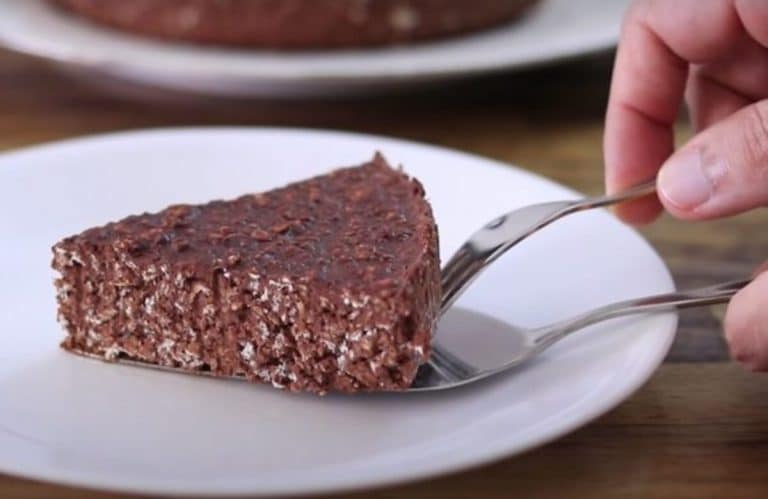
Craving something chocolatey but short on time—or ingredients? This three-ingredient, flourless cake has taken the internet by storm, racking up millions of views for its simplicity and rich flavor. I first discovered it on a lazy Sunday afternoon: my roommate and I were staring at an empty pantry, no eggs in sight, when we stumbled on the idea. Ten minutes later, we had a silky batter ready for the fridge. While it chills, you’ve got time for a quick walk or to catch up on that show you’ve been binge-watching.

Nutritionists at the Harvard T.H. Chan School of Public Health praise oats for their heart-healthy soluble fiber, which helps lower cholesterol, while the American Heart Association recommends dark chocolate (70% cocoa or more) for its antioxidant benefits. Combining these powerhouse ingredients makes this cake not just a guilt-free treat, but a snack you can feel good about.

Read more

Here’s what a 1,200-calorie diet really looks like in a day

1,200-calorie diet really looks like in a day

Before you dive into meal prep, it’s crucial to know how many calories you actually need. A handy starting point is to multiply your current weight (in kilograms) by 12 to estimate the number of calories required to maintain your weight. From there, trimming 500 calories per day typically leads to losing about 0.5 kg per week, while reducing by 1,000 calories can translate into roughly 1 kg of weight loss weekly. For example, someone weighing 70 kg would calculate 70 × 12 = 840 calories for maintenance. Subtract 500, and you land at 340—well below a safe threshold. That’s why most experts, including the Academy of Nutrition and Dietetics, caution against dipping below a 1,200-calorie daily minimum to avoid nutrient deficiencies and maintain energy levels.

Read more