
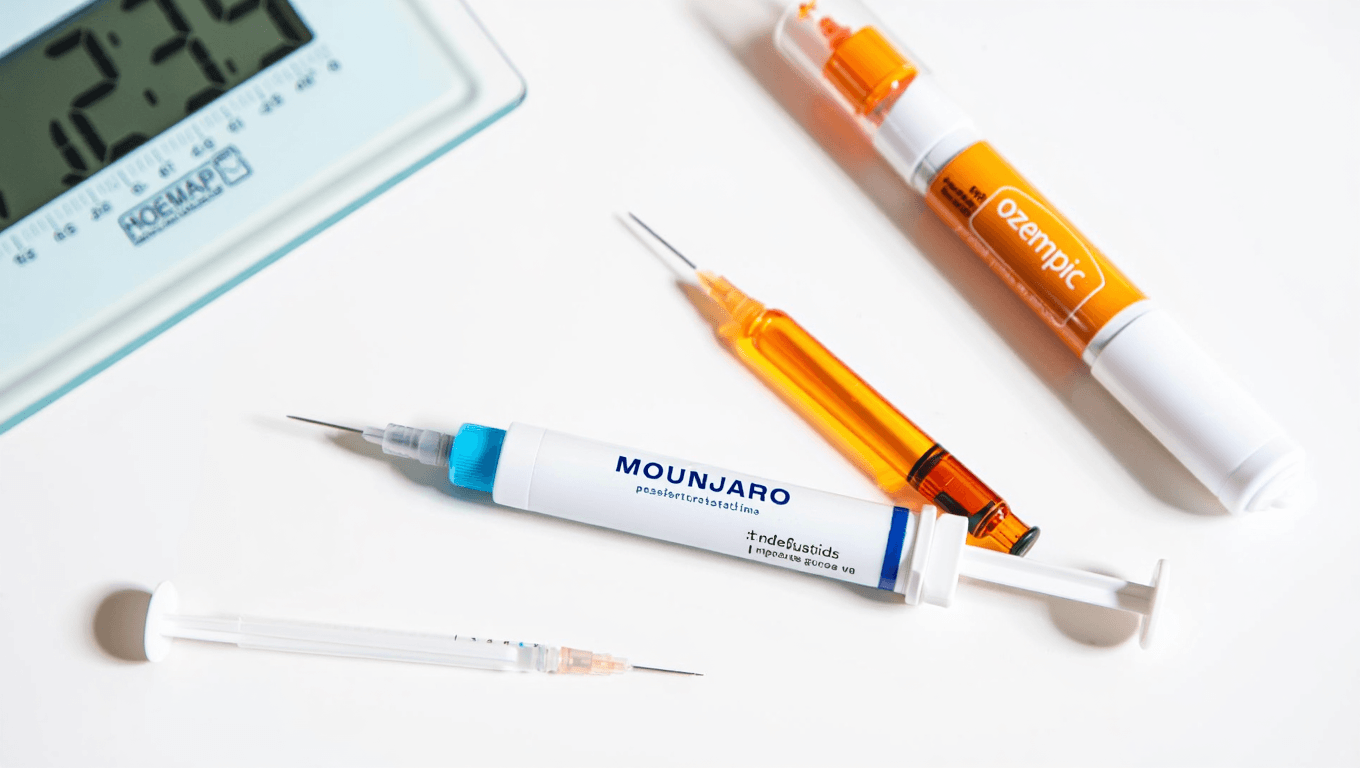
Mounjaro (tirzepatide) has rapidly become a top choice for treating obesity and type 2 diabetes. New analyses suggest it may strip away a larger share of lean body mass than Ozempic (semaglutide). That difference matters for strength, metabolism, and long-term health. Here’s a clear look at why researchers see this pattern and what patients and clinicians can do about it.
How the drugs differ: two hormones, two effects
Mounjaro and Ozempic both lower weight, but they act differently. Ozempic targets GLP-1 receptors. Mounjaro activates GLP-1 plus GIP receptors. This dual action appears to boost appetite suppression and calorie loss.
Those stronger effects can drive faster weight loss. Faster weight loss tends to include a mix of fat and lean tissue. That helps explain why tirzepatide users may lose more muscle mass proportionally.
What clinical trials and data show about lean mass
Recent large trials compared outcomes on tirzepatide and semaglutide. Both drugs produced major drops in body weight. Some analyses reported a higher percentage of weight loss coming from lean tissue with tirzepatide.
- Faster overall weight loss often correlates with greater lean mass loss.
- Different patient groups—age, baseline muscle, activity level—see varied effects.
- Measurement methods matter. DEXA and bioelectrical impedance give different estimates.
Why measurement method shapes the story
Body composition tests use different physics and assumptions. DEXA scans better separate bone, fat, and lean tissue. Scales with impedance are more variable. When studies report lean mass loss, check how it was measured.
Biological reasons tirzepatide may reduce muscle more
Multiple mechanisms likely contribute:
- Rapid calorie restriction reduces protein synthesis.
- Greater appetite suppression lowers energy for physical activity.
- Hormonal shifts during rapid weight loss may favor fat mobilization but also affect muscle.
Interplay between energy intake and activity is central. If calories drop and activity falls, the body may catabolize some muscle to meet energy needs.
Practical steps to protect muscle while using GLP-1/GIP therapy
Patients can take concrete actions to limit lean mass loss while keeping the weight benefits.
- Prioritize resistance training at least twice weekly to stimulate muscle maintenance.
- Aim for adequate daily protein, roughly 1.2–1.6 g/kg for many adults under weight loss.
- Maintain some aerobic activity for cardiovascular health without overcutting calories.
- Monitor progress with reliable body composition tests when possible.
- Discuss gradual dose adjustments and dietary plans with a clinician or dietitian.
What clinicians should watch for during treatment
Doctors should look beyond the scale. Measure strength, mobility, and composition when practical.
- Ask about fatigue, falls, or trouble with daily tasks.
- Request periodic DEXA or validated impedance readings for long-term users.
- Consider referral to physical therapy or supervised exercise programs.
- Adjust nutritional counseling to emphasize protein and resistance work.
Early detection of excess lean mass loss allows tailored intervention.
Open questions and research directions
Key issues remain unsettled. Data across diverse populations are limited. Long-term effects on strength and metabolic rate need more study.
- How much lean mass loss is clinically harmful over years?
- Do older adults face greater risk on tirzepatide than younger people?
- Which exercise and nutrition programs best preserve muscle with these drugs?
Ongoing trials and real-world registries will refine guidance and identify safer strategies for maintaining muscle while achieving weight loss.
Similar Posts:
- Boost Your Protein Intake: Key to Preventing Muscle Loss with GLP-1 Weight Loss Drugs
- GLP-1 weight loss drugs: do they give athletes an unfair advantage?
- GLP-1 drugs could accelerate muscle loss, spike frailty risk in people over 65
- GLP-1s like Ozempic, Mounjaro may cut fracture risk in type 2 diabetes
- Alternate-day fasting: rapid 4-week weight loss but unexpected muscle loss

Cole is a passionate vegan dessert artist with a knack for turning indulgent classics into plant-based masterpieces. His sweet creations are where flavor meets conscious living.