
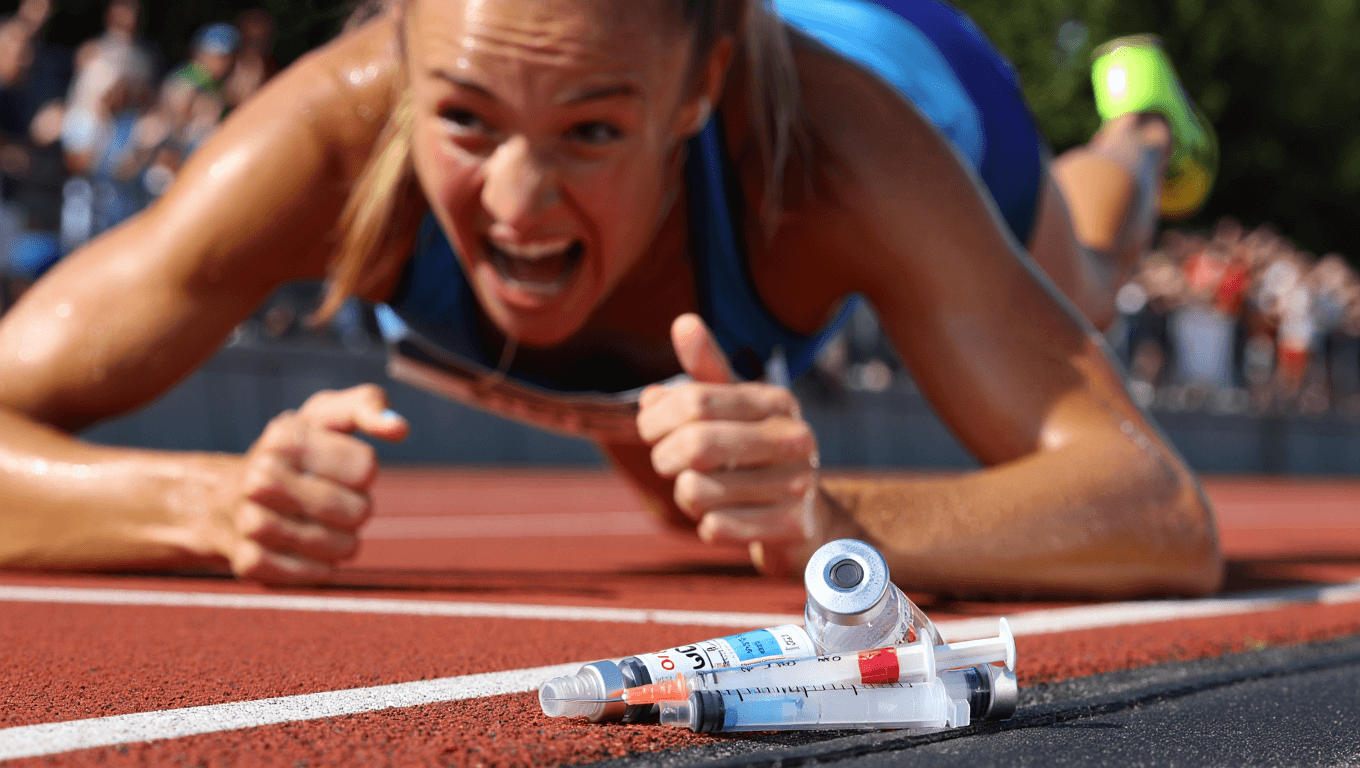
As elite sport tightens margins, a new class of medicines is drawing scrutiny. GLP-1 weight-loss drugs are reshaping body composition for millions. Athletes, trainers, and regulators wonder if these treatments could tilt competition.
How GLP-1 medications act on the body and why athletes notice them
GLP-1 agonists were developed to treat diabetes and obesity. They mimic a gut hormone to reduce appetite and slow gastric emptying. The result is often steady, significant weight loss.
- Common drugs: semaglutide (branded as Wegovy and Ozempic) and tirzepatide (Mounjaro, Zepbound).
- Main effects: lower calorie intake, reduced fat mass, modest changes in lean mass.
- Typical patient experience: appetite suppression, nausea during dose changes, gradual weight decline.
Can losing weight with GLP-1 drugs translate to better athletic performance?
Weight loss can improve performance in many sports. Less body mass may enhance speed and endurance. That makes GLP-1s relevant for athletes in weight-sensitive disciplines.
Potential performance gains
- Improved power-to-weight ratio for runners and cyclists.
- Faster weight-class changes with less extreme dieting.
- Lower body fat often correlates with greater economy in endurance sports.
Why gains are not guaranteed
- Weight loss can include muscle loss. Strength may drop if training and protein intake are not optimized.
- Side effects like nausea and fatigue can blunt training quality.
- Energy availability and glycogen stores may be compromised in some athletes.
The net effect depends on the sport, the athlete’s baseline body composition, and how weight loss is managed.
Mechanisms that could create an unfair edge
Not all advantages are direct. Some effects are subtle but meaningful in elite sport.
- Rapid, controlled weight reduction without severe calorie restriction.
- Reduced variability in body weight across a season or competition cycle.
- Psychological benefits from easier weight management, including lower stress during cuts.
These factors could favor athletes in contested categories. Yet they differ from pharmacological boosts to strength or endurance.
Risks, side effects, and performance trade-offs
Intended benefits come with drawbacks. Athletes face specific risks that may limit performance.
- Nausea and vomiting during dose escalation.
- Dehydration risk if appetite and fluid intake fall.
- Possible loss of lean mass without targeted strength training.
- GI disturbances that impair fueling strategies for competition.
Medical supervision and nutrition planning are essential to minimize harm and preserve athletic capacity.
Anti-doping landscape and regulatory questions
Most GLP-1 drugs are not currently listed as prohibited by major anti-doping agencies. But policy debates are active.
- WADA and national bodies continuously review substances for unfair advantage.
- Therapeutic use exemptions (TUEs) allow treatment when medically necessary.
- Policy shifts could occur if scientific consensus links these drugs to clear performance enhancement.
Regulators weigh fairness, medical need, and public perception. The line between therapy and performance aid can be murky.
How sports organizations and teams are responding
Some teams already monitor medication use closely. Others are developing guidance for clinicians and athletes.
- Teams may require disclosure of prescriptions that affect weight.
- Sports medicine staff often emphasize diet and training first.
- Education on side effects and safe tapering is becoming more common.
Practical advice for athletes considering GLP-1 therapy
Athletes should approach these drugs cautiously and with expert oversight.
- Consult a sports physician before starting treatment.
- Work with a registered dietitian to protect lean mass.
- Monitor hydration, energy, and recovery closely.
- Document medical need for potential TUE applications.
Transparent communication with coaches and governing bodies reduces career risk.
Current evidence gaps and research priorities
High-quality trials in athlete populations are scarce. Key questions remain unanswered.
- How do GLP-1s affect muscle strength and power under sport-specific training?
- Do these drugs alter recovery, inflammation, or immune function in athletes?
- What are the long-term effects on metabolism and performance across seasons?
Addressing these gaps will inform fair policy and safe clinical practice.
Similar Posts:
- Mounjaro vs Ozempic: why Mounjaro may cause more lean body mass loss
- Alternate-day fasting: rapid 4-week weight loss but unexpected muscle loss
- GLP-1 drugs could accelerate muscle loss, spike frailty risk in people over 65
- Boost Your Protein Intake: Key to Preventing Muscle Loss with GLP-1 Weight Loss Drugs
- Weight loss: the exact time of day you should exercise, according to science

Cole is a passionate vegan dessert artist with a knack for turning indulgent classics into plant-based masterpieces. His sweet creations are where flavor meets conscious living.