
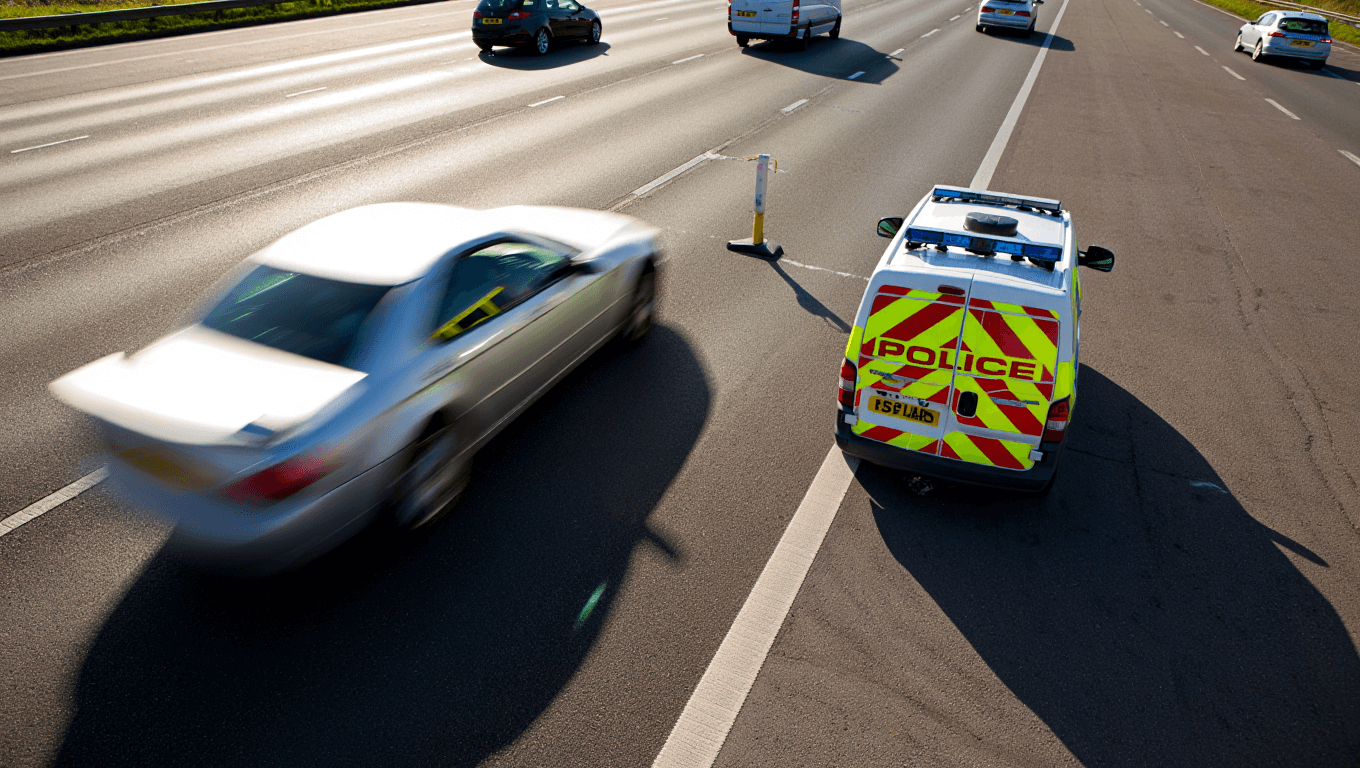
New analysis of police records shows a startling rise in extreme speeding on Britain’s major roads, with more than 1,500 motorists recorded driving faster than 112mph in a single year. The data paints a worrying picture of risk-taking behind the wheel and has prompted fresh debate about safety technology and enforcement across the UK.
What the analysis found and how it was compiled
Researchers working with Volvo Car UK collected police figures from across England, Scotland and Wales. They sent Freedom of Information requests to local forces to build a national picture.
- More than 45 FOI requests were submitted to forces.
- The dataset covers drivers caught exceeding 112mph during the most recent 12-month period available.
- Some police forces provided incomplete records or declined full disclosure, citing time or cost limits.
Eye-watering top speeds recorded on motorways
Officers logged multiple instances of drivers far above legal limits. The highest speeds recorded in the period included readings that shocked road-safety experts.
- 160mph — the top recorded speed in Cheshire.
- 159mph — a near-record reading in Northamptonshire.
These figures are more than double the national motorway limit, underlining the scale of extreme speeding on certain routes.
Regional hotspots where extreme speeding is most common
Certain counties stand out for the number of motorists caught driving faster than 112mph. Fast, straight stretches seem to attract persistent offenders.
- Northamptonshire: 291 motorists recorded above 112mph.
- Staffordshire: 196.
- Merseyside: 117.
- Warwickshire: 104.
- Greater Manchester: 89.
- South Yorkshire: 75.
- West Midlands: 74.
- Kent, Hertfordshire and Nottinghamshire: roughly 60–63 each.
At the other extreme, some forces reported no drivers caught above 112mph during the same period, including Dyfed‑Powys and Cleveland.
How speeders are being detected
Police use an array of tools to catch extreme speeders. No single method captures every offence, but combined they expose a wide range of behaviour.
- Fixed roadside cameras on motorways and A-roads.
- Mobile enforcement vans that patrol stretches prone to high speeds.
- Average-speed camera systems that measure pace over a distance.
- In-car detection technology used by some enforcement teams.
Even with these systems, gaps remain because some forces supplied only limited records. That makes the true scale of the problem hard to pin down.
Volvo’s response: technology and safety pledges
Volvo Car UK used the findings to emphasise vehicle safety technology. The automaker says electronic limits can reduce extreme speed events and lower crash risk.
Volvo has equipped every new car it sells with a 112mph electronic cap since 2020. The company says this is part of its wider aim to cut deaths and serious injuries in its vehicles.
Nicole Melillo Shaw, Managing Director of Volvo Car UK, highlighted the national rise in licensed vehicles and argued that built-in safety features are increasingly relevant.
Policy and road-safety implications
The numbers have reignited discussion about enforcement, penalties and technological fixes to dangerous driving. Lawmakers and road-safety groups are watching the trends closely.
Questions raised by the data
- Should speed-limiting technology be mandated more widely?
- Are current penalties strong enough to deter repeat offenders?
- Do enforcement resources match the scale of extreme speeding on major routes?
The report adds fresh fuel to debates on whether tougher measures are needed to protect communities beside high-speed corridors.
What motorists and communities need to know now
Drivers face increased scrutiny on high-speed stretches. Communities near busy motorways may see persistent risky driving.
- Be aware that police use multiple detection methods.
- Highways with long, straight runs tend to attract higher speeds.
- Vehicle safety features, including speed limiters, can reduce risk.
Similar Posts:
- Supercars seized after wedding convoy filmed driving dangerously on motorway
- Driving offence soars to eight-year high: motorists face £200 fine
- AI road cameras cut road deaths: inside-car surveillance shows measurable drop
- Huge speeding penalties under new Labour plan: Britons could be fined years later
- Major A-road speed limit could be cut to 50mph: drivers warned

Naomi is a clean beauty expert passionate about science-driven skincare and natural remedies. She demystifies ingredients and shares routines that empower readers to glow — naturally.