
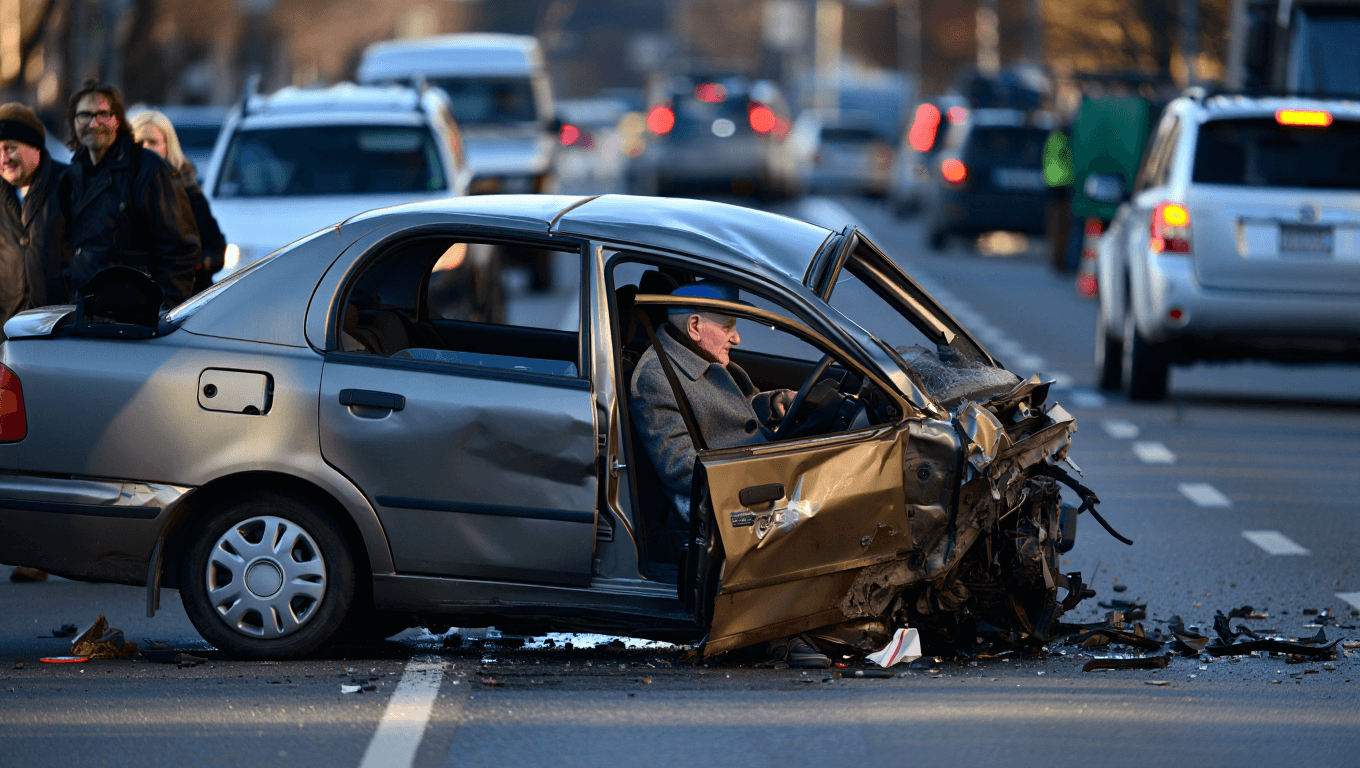
New research from Northern Ireland’s transport authorities has reignited debate over whether drivers aged 70 and older should face stricter rules behind the wheel. The study points to a worrying rise in severe crashes involving older motorists and has prompted officials to consider fresh safety measures.
What the analysis covered and the headline numbers
The research examined Police Service of Northern Ireland collision records from 2020 through 2024. It was commissioned by the Department for Infrastructure’s Promotion and Outreach Branch and sits within the annual review of the Northern Ireland Road Safety Strategy.
- 225 drivers aged 70+ were recorded as either killed or seriously injured in the five-year period.
- Older drivers were found to be about twice as likely to be killed or badly hurt compared with younger drivers.
- Collisions involving motorists over 70 resulted in death or serious injury in 16% of cases, versus 8% for those under 70.
- In incidents where elderly drivers were involved, they were judged at fault in 69% of severe cases, higher than the 53% fault rate for younger drivers.
Health and age-related factors behind the numbers
Investigators point to a mix of physical and cognitive changes that can affect driving performance as people age.
- Medical conditions and cognitive issues were contributors in roughly 10% of serious crashes involving older drivers, compared with 2% for younger cohorts.
- Common risks cited include slower reaction times, reduced peripheral vision, and the effects of medication.
- Where older drivers were at fault, the pattern suggests these age-linked impairments often play a central role.
Timing and geography of serious collisions
The study also mapped when and where the most severe incidents occurred, revealing distinct patterns by age group.
- Most serious crashes involving over-70s happened in the afternoon — about 61% of such cases.
- Sundays were relatively safer for older motorists, accounting for only 9% of their severe incidents.
- Regionally, there was wide variation: Mid Ulster had the highest rate, at 31.3 serious or fatal incidents per 100,000 residents aged over 70, while Belfast recorded the lowest rate, at 6.0 per 100,000.
Policy options under consideration to improve road safety
Officials say the data will inform future decisions on road safety policy. Several targeted measures are being discussed.
- Introduce or expand medical fitness checks for drivers as they reach older age brackets.
- Offer or require periodic practical driving assessments for high-risk groups.
- Consider conditional licences or restrictions on certain driving conditions, such as night-time or high-speed roads.
- Increase public awareness campaigns aimed at helping older drivers recognise changing abilities.
How ministers and transport chiefs plan to use the findings
The Department for Infrastructure says the evidence will feed into policy reviews. Ministers will weigh whether formal testing, targeted assessments, or licence limits are needed to protect all road users.
Where to find the full report and the data behind it
The research is part of a broader series tracking road safety trends. The Department has made the detailed statistics available through its official statistics portal for anyone wanting to explore the findings and raw data.
Similar Posts:
- Driving licence shake-up could lower legal driving age: support grows for younger learners
- Drivers forced off UK roads by Labour’s new driving licence rules
- Speed limit changes: urgent road safety campaign targets drivers
- Slash Your Car Insurance by 30%: Simple Steps Every Driver Must Know!
- Urgent Driving License Reforms Needed: Possible Passenger Bans and Curfews Loom

Naomi is a clean beauty expert passionate about science-driven skincare and natural remedies. She demystifies ingredients and shares routines that empower readers to glow — naturally.