
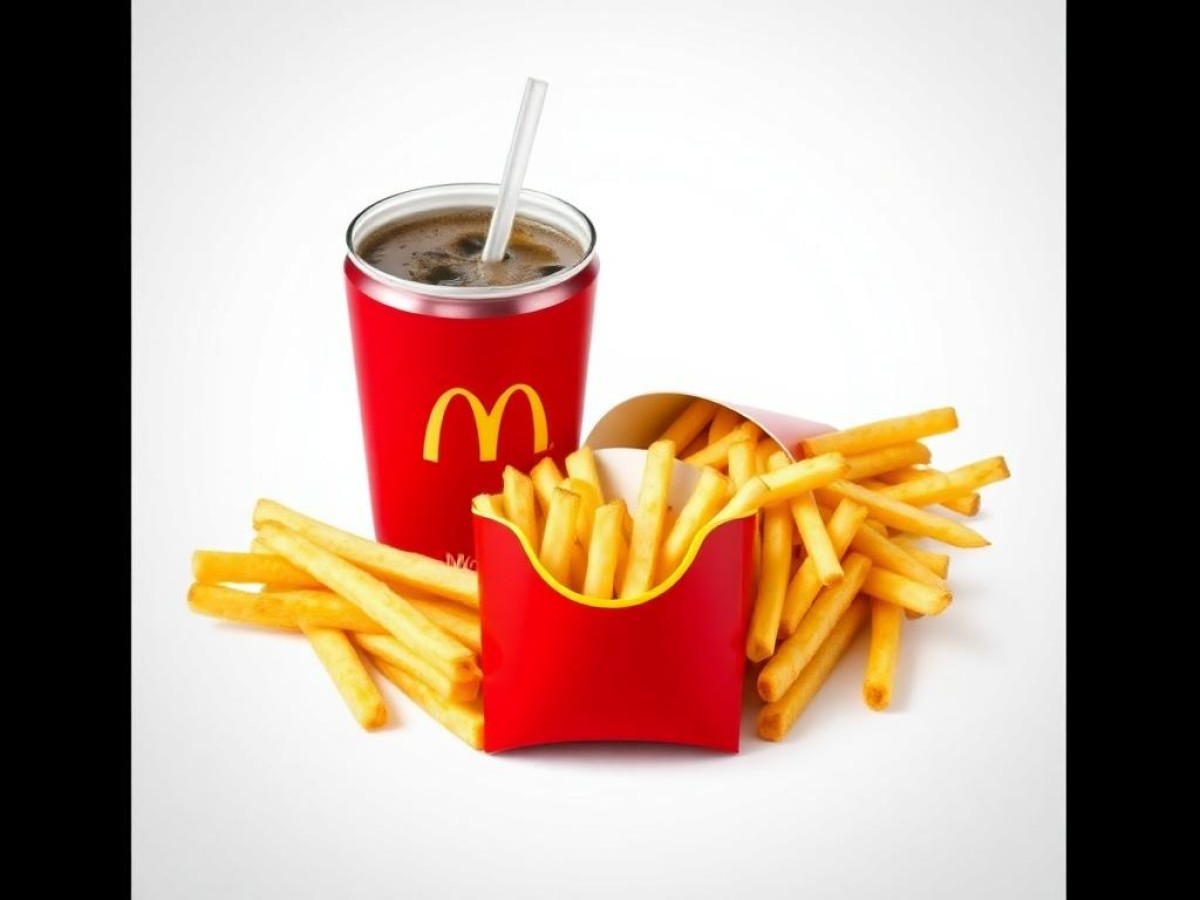
A McMigraine Meal: Questionable Efficacy
Kezia Joy, a registered dietitian and medical advisor at Welzo, emphasizes the importance of differentiating between personal anecdotes and scientifically-backed recommendations for treating conditions like migraines.
“While the idea may stem from genuine experiences, it lacks scientific validation. It might offer short-term comfort to some, but it’s not advisable to include it as a regular or reliable part of migraine management,” she explained to Healthline.
Similarly, specialist dietitian Nichola Ludlam-Raine cautioned against relying on this combination as a dependable remedy. “People suffering from migraines might be willing to try anything for relief, but from a nutritional and clinical standpoint, this is not a method I would recommend often,” she added during her conversation with Healthline.
Temporary Relief with McMigraine
Claims have surfaced claiming that a meal of McDonald’s fries and a Coke can alleviate migraine symptoms. But is there any scientific basis for this?
Joy points out several physiological reasons why consuming salty, high-carb snacks and caffeine might temporarily help. “Caffeine, found in Coke, narrows blood vessels which can alleviate pain in certain migraine types,” she noted.
“Additionally, consuming foods high in salt or carbohydrates could help correct mild electrolyte imbalances or blood sugar levels, providing temporary relief, particularly if one has skipped a meal or is slightly dehydrated,” Joy continued.
Ludlam-Raine also highlighted potential short-term benefits. “Migraines can be triggered or exacerbated by low blood sugar, dehydration, or electrolyte imbalances. Therefore, salty fries might help retain fluids while the caffeine and sugar in Coke could momentarily boost blood sugar and energy levels,” she explained. However, she stressed that these effects are fleeting and do not tackle the underlying causes of migraines.
For some individuals, the combination of high salt, sugar, and caffeine could even aggravate their symptoms, especially if their migraines are related to dietary triggers or conditions such as high blood pressure, Ludlam-Raine added.
Potential Risks of a McMigraine Meal
Aside from potentially worsening migraine symptoms, there are other risks involved with using such fast food solutions as a migraine remedy. “Fast food is convenient but often loaded with sodium, saturated fats, and sugars,” said Joy. “Frequent consumption can lead to inflammation, which might exacerbate headaches over time,” she warned.
Ludlam-Raine pointed out additional long-term health risks, including weight gain, insulin resistance, high blood pressure, and deteriorated gut health, all of which could increase the frequency or intensity of migraines.
“Using fast food as a frequent solution can also prevent individuals from addressing the real triggers and factors contributing to their migraines,” she added. Joy also cautioned against overlooking underlying health issues that require diagnosis and treatment by relying too heavily on fast food as a fix.
Scientifically-Supported Migraine Strategies
Instead of heading to a fast-food drive-thru, there are more effective ways to manage migraines. Joy recommends watching for specific nutrients such as magnesium, which is found in leafy greens and nuts and known to help reduce migraine frequency.
“Foods rich in riboflavin (vitamin B2) and co-enzyme Q10 have been studied for their potential benefits. Omega-3 fatty acids, present in fatty fish, can also reduce inflammation and support brain health,” Joy explained.
Ludlam-Raine suggests other preventive measures for managing migraines, like staying hydrated, eating regular balanced meals, avoiding known triggers such as aged cheese and artificial sweeteners, and maintaining a food and symptom diary to recognize personal patterns.
While these wellness strategies can help prevent migraines, they might not stop a migraine already in progress, which might explain why some turn to a McMigraine meal for immediate relief.
Typical clinical treatments for migraine include both preventive and acute options. “Medications like triptans, CGRP inhibitors, and certain anti-seizure and blood pressure medications can be beneficial. Non-pharmacological treatments, such as biofeedback, cognitive behavioral therapy, and neuromodulation devices, have also proven effective,” Joy concluded.
Migraine symptoms can be extremely debilitating, and during an attack, the urge for a quick and convenient solution like McDonald’s fries and a Coke might be strong. However, it is crucial to understand that migraine triggers vary widely between individuals, and there are other, more reliable treatments available.
Similar Posts:
- Revolutionary Liraglutide Drug Cuts Migraine Days by 50%: New Study Reveals
- Doctor Alert: The Hidden Dangers of OTC Supplements on Blood Pressure – Exercise Caution!
- Kenan Thompson: Strategies for Managing GERD Post-Diagnosis Revealed
- Coffee: 2-3 cups a day could slash stress and boost mental health
- French fries tied to higher diabetes risk: whole potatoes still healthy

Cole is a passionate vegan dessert artist with a knack for turning indulgent classics into plant-based masterpieces. His sweet creations are where flavor meets conscious living.