
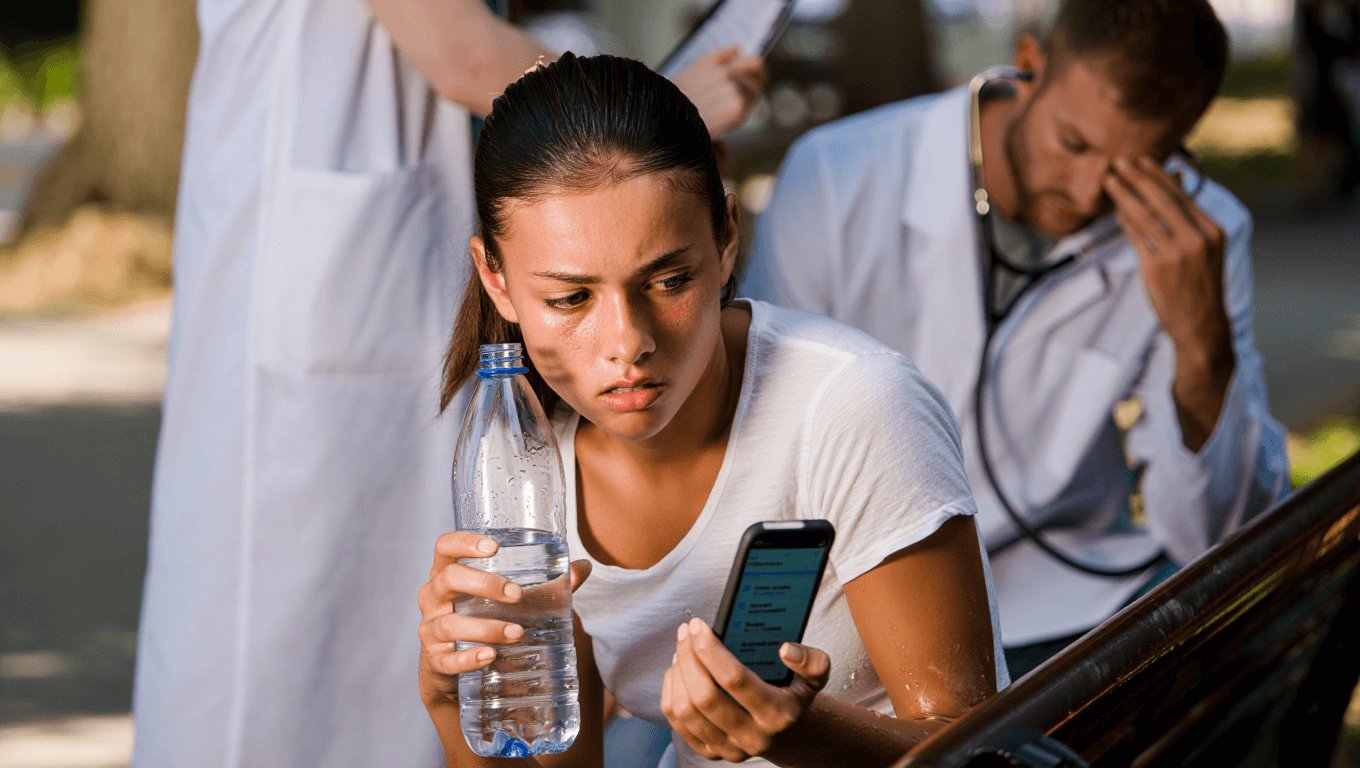
As GLP-1 medications like Ozempic and Mounjaro become more common, doctors warn of a less obvious risk: many patients may not feel thirsty enough. That muted thirst response, combined with typical side effects, can make dehydration a real concern—especially in hot weather or during intense activity.
How GLP-1 drugs change appetite and thirst signals
GLP-1 medications reduce hunger by acting on brain and gut pathways. They also slow how quickly the stomach empties.
- Slower gastric emptying creates early fullness and can cut how often people drink fluids.
- Changes in appetite often come with a reduced urge to drink, so people may not refill fluids when needed.
- Some patients report more frequent urination, which can also deplete body water.
If you are taking a GLP-1, do not assume normal thirst cues will protect you.
Which side effects raise dehydration risk
Certain common reactions to these meds increase fluid losses or reduce intake.
- Nausea and vomiting — lower intake and cause direct fluid loss.
- Diarrhea — rapid loss of water and electrolytes.
- Constipation and abdominal discomfort — may lead people to avoid drinking to limit symptoms.
- Heat sensitivity — altered thermoregulation can raise sweating and fluid needs.
Gastrointestinal symptoms make maintaining hydration more difficult and raise the chance of electrolyte imbalance.
Who should watch hydration most closely
Certain groups face higher dehydration risk while on GLP-1 drugs:
- Athletes and people who exercise intensely.
- Older adults with reduced body water reserves.
- Workers exposed to high temperatures.
- Infants and young children in households with treated adults.
- People with chronic illnesses or kidney conditions.
- Residents at high altitude where fluid needs rise.
These people should monitor intake and symptoms more actively while taking weight-loss medications.
Recognize dehydration early: symptoms and complications
Signs often start subtly but can escalate quickly.
- Dry mouth and throat.
- Fatigue and lightheadedness.
- Dizziness or fainting spells.
- Headache, dry skin, and decreased urine output or dark urine.
Severe dehydration can trigger rapid heartbeat, low blood pressure, muscle cramps, seizures, and kidney injury. Electrolyte loss from vomiting, diarrhea, or frequent urination may lead to dangerous imbalances.
Practical hydration steps for people using Ozempic, Mounjaro and similar drugs
Simple habits can reduce risk and support safe weight loss.
- Set a hydration schedule. Sip fluids regularly rather than waiting to feel thirsty.
- Prefer water and electrolyte drinks when GI symptoms occur.
- Limit sugary and carbonated beverages that can worsen nausea or bloating.
- Take small, cool sips if nausea makes larger drinks difficult.
- Track daily fluid intake and urine color as a quick gauge of hydration.
- Prioritize adequate protein to protect muscle mass during weight loss.
- Speak with your clinician if vomiting, diarrhea, or dizziness persist.
Electrolyte-containing fluids are especially helpful when vomiting or diarrhea reduces salt and potassium.
Which GLP-1 medications are most used and what they do
Two main drug types are in use: semaglutide and tirzepatide.
- Semaglutide drugs include Ozempic, Wegovy, and Rybelsus. They treat type 2 diabetes and, in some cases, are prescribed for weight loss.
- Tirzepatide products include Mounjaro and Zepbound. Some are approved for diabetes, and others for obesity treatment.
Beyond weight loss, research shows potential benefits for heart health and reduced risk of certain diseases. But side effects remain common, especially GI symptoms such as nausea, abdominal pain, and changes in bowel habits.
When starting any GLP-1, plan hydration and nutrition with your provider to avoid preventable complications.
Similar Posts:
- Ozempic and other GLP-1 drugs: heat raises dehydration and fainting risk
- Amy Schumer Reveals Mounjaro Boosts Sex Drive, Eases Perimenopause Symptoms
- Ozempic Teeth Alert: Popular Drug Linked to Tooth Decay and Dental Issues!
- Mayim Bialik’s GLP-1 treatment caused uncontrollable GI symptoms
- GLP-1 weight loss drugs: do they give athletes an unfair advantage?

Cole is a passionate vegan dessert artist with a knack for turning indulgent classics into plant-based masterpieces. His sweet creations are where flavor meets conscious living.