
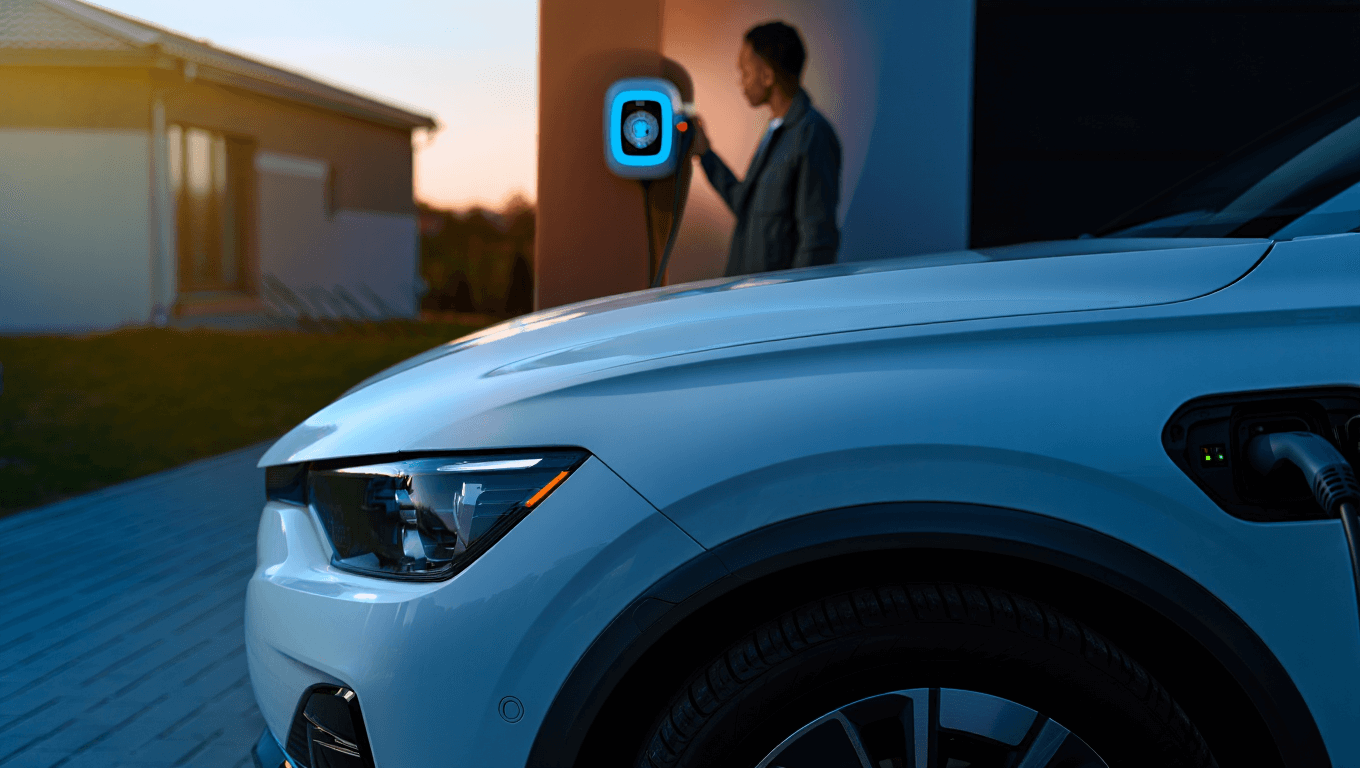
Electric car owners in the UK have a fresh way to lower running costs as E.ON Next rolls out updated home-charging tariffs. The new price plan cuts daytime and overnight rates and bundles perks designed for EV drivers, promising noticeable savings for many households.
E.ON Next’s redesigned home charging plans and what they mean
E.ON Next has reshaped its EV tariffs to make home charging cheaper and more flexible. The company targets motorists who charge at home and want predictable bills.
- Tariff names include Next Drive Smart and Next Drive Fixed.
- Both plans keep favourable overnight charging options for customers with domestic EV chargers.
- Customers can switch plans without paying an exit fee in some cases.
Rates that drive the savings: off-peak and peak prices
The headline figures show considerably lower off-peak costs than typical energy rates. E.ON Next aims to reward drivers who recharge during quieter hours.
- Off-peak: 7.5p per kWh.
- Peak: reduced from 33.38p/kWh to 31.13p/kWh.
- Typical overnight full charges can cost as little as £2.60 depending on vehicle battery size.
Estimated annual savings
Based on E.ON Next calculations, drivers that recharge mostly off-peak could see savings versus the energy price cap. The company highlights potential gains of around £485 per year for some customers.
Added benefits for new subscribers: discounts and extras
New customers signing up to qualifying plans get more than low home rates. E.ON Next bundles services to extend savings away from home.
- A complimentary one-year subscription to Zoom EV, giving discounts on public charging, parking and car hire.
- Flexibility to cancel tariff plans without penalty in certain situations.
- A one-off donation to the Woodland Trust as part of the sign-up offering.
Who is likely to benefit the most from the changes
Households with installed EV chargers will see the biggest impact. Drivers who can schedule charging during off-peak windows get the greatest cost advantage.
- Owners with dedicated home chargers that can be set to off-peak hours.
- Commuters who plug in overnight and avoid daytime top-ups.
- New EV buyers considering bundled services like Zoom EV.
Practical steps to switch and what to check first
If you’re thinking of moving to one of these plans, take a few simple actions first. They help ensure the tariff matches your routine.
- Confirm you have a home EV charger that supports timed charging.
- Estimate your typical kWh usage per week to model savings.
- Check contract terms for exit fees and cooling-off periods.
- Look into the Zoom EV benefits to see if public charging discounts cover your needs.
Why this matters now: affordability and EV adoption
Lower home charging prices arrive as many households face tight budgets. Cheaper rates and extras can make owning an electric car more affordable.
Targeted off-peak pricing also supports grid balancing by encouraging charging at times of lower demand.
Similar Posts:
- Revolutionize Your Drive: Octopus Unveils Unlimited Home EV Charging for Just £30
- Drivers hit by £300 pay-per-mile tax rise: Rachel Reeves faces wicked problem
- UK drivers paid £750k to charge electric cars at home: landmark energy trial
- Labour car grant prompts iconic British automaker to slash prices
- Electric car barrier hits millions: Labour urged to act with new measures

Naomi is a clean beauty expert passionate about science-driven skincare and natural remedies. She demystifies ingredients and shares routines that empower readers to glow — naturally.