
New provisional data shows a striking drop in road deaths and serious injuries across Devon and Cornwall. Authorities say high-tech enforcement and community safety programs are combining to change driver behaviour on key routes.
Latest figures: fewer lives lost on Devon and Cornwall roads
The Department for Transport’s provisional count records 49 people killed and 495 seriously injured in the region. That is the lowest total since modern record-keeping began. The numbers mark an almost 20% fall compared with 2024.
Local safety partners attribute the improvement to a cluster of interventions. Officials point to targeted enforcement, lower speed limits and advances in camera technology as major contributors.
AI road cameras: evidence of changed habits
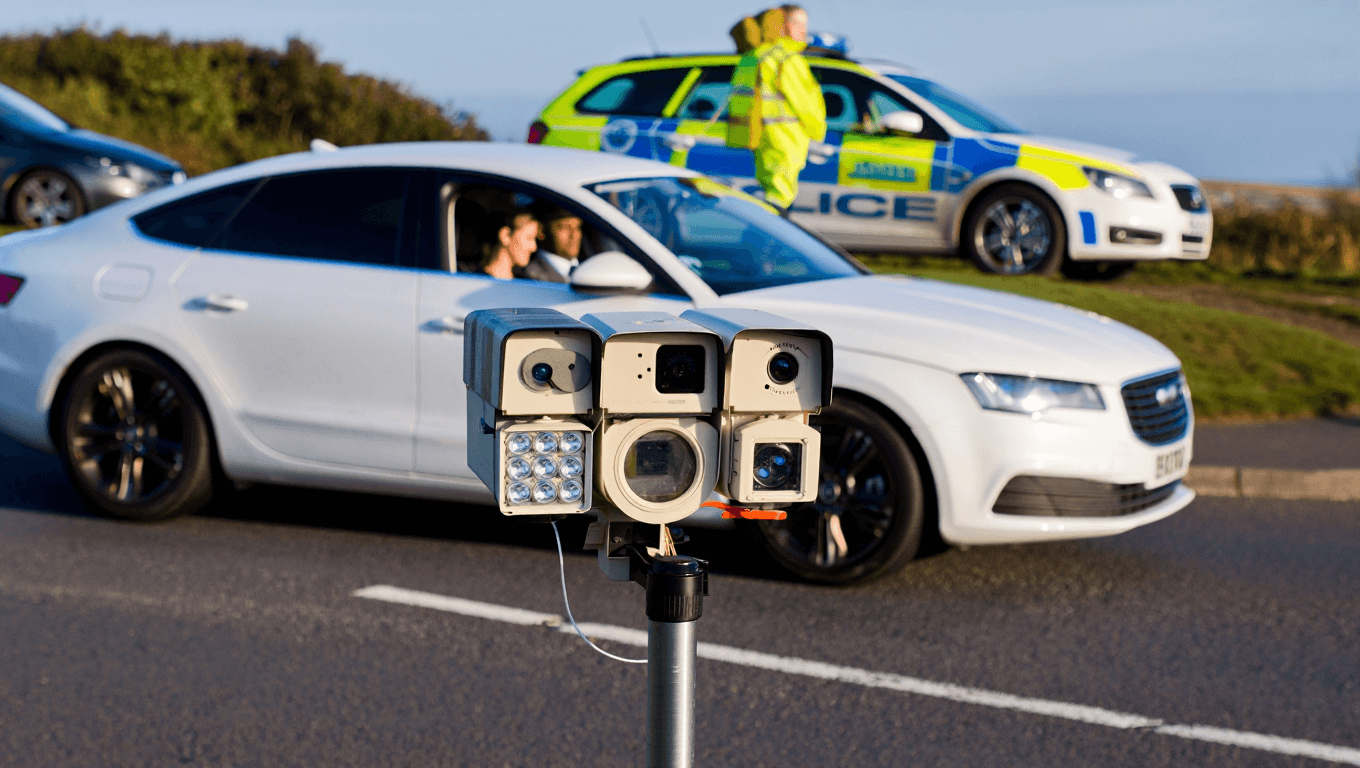
Cameras equipped with artificial intelligence have been deployed on stretches of the A38 near Landrake. Data gathered during August 2024 shows a sharp decline in risky behaviours.
- Seatbelt detections fell by about 50% during monitored periods.
- Recorded instances of mobile phone use dropped by roughly 33%.
Police and safety analysts say the devices do more than capture images. They act as a deterrent, prompting drivers to buckle up and put phones away.
Vision Zero South West: program and priorities
Vision Zero South West, the regional road safety partnership, links policy with community outreach. The group says the combined measures are already making a measurable difference.
Initiatives include hands-on training for vulnerable groups and technology-led awareness campaigns aimed at changing long-term behaviour.
Practical projects aimed at prevention
- A motorcycle simulator trains young riders to spot hazards and react safely.
- Pedestrian-safety lessons have reached thousands of primary school pupils.
- A sportier Ford Focus RS is used to drive road-safety messaging to younger drivers on social media.
Voices from the campaign: leaders respond
Alison Hernandez, the Police and Crime Commissioner for Devon, Cornwall and the Isles of Scilly and chair of Vision Zero South West, welcomed the improvements. She stressed that these figures reflect real people and urged continued effort.
Local road-safety managers echoed her point. They emphasised that falling casualty numbers do not erase the human cost behind each statistic.
Enforcement plus engineering: why the mix matters
Devon and Cornwall Police have stepped up enforcement around speeding, phone use and seatbelt offences. Officers say enforcement, alongside reduced speed limits and camera deployment, is producing tangible results.
Adrian Leisk, head of road safety for the force, described a sustained fall in offending where measures are combined. He called the shift “prolonged and significant” on the roads where cameras and new limits are in place.
Community impact and next steps
Despite progress, authorities insist there is more to do. Efforts will continue to spread education, extend technology use and fine-tune enforcement in hotspots.
Ongoing priorities include:
- Expanding cameras to other high-risk corridors.
- Broadening outreach to younger and harder-to-reach drivers.
- Keeping schools and parents engaged in pedestrian safety work.
Other road-safety headlines to watch
- Government warns of changes to the DVLA medical driving licence service affecting many drivers.
- Concerns grow that a pay-per-mile car tax could penalise rural drivers.
- Reports show a rise in a major driving offence, with fines being used to deter dangerous behaviour.
Similar Posts:
- AI road cameras catch 700 drivers in one week: they can see inside cars
- Thousands caught speeding daily: national speed limit routinely flouted
- Supercars seized after wedding convoy filmed driving dangerously on motorway
- New 20mph Speed Limit Proposal: Thousands of Motorists Affected by Major Road Changes!
- M5 lorry fire halts traffic: battery-laden truck sparks hours of congestion

Naomi is a clean beauty expert passionate about science-driven skincare and natural remedies. She demystifies ingredients and shares routines that empower readers to glow — naturally.