
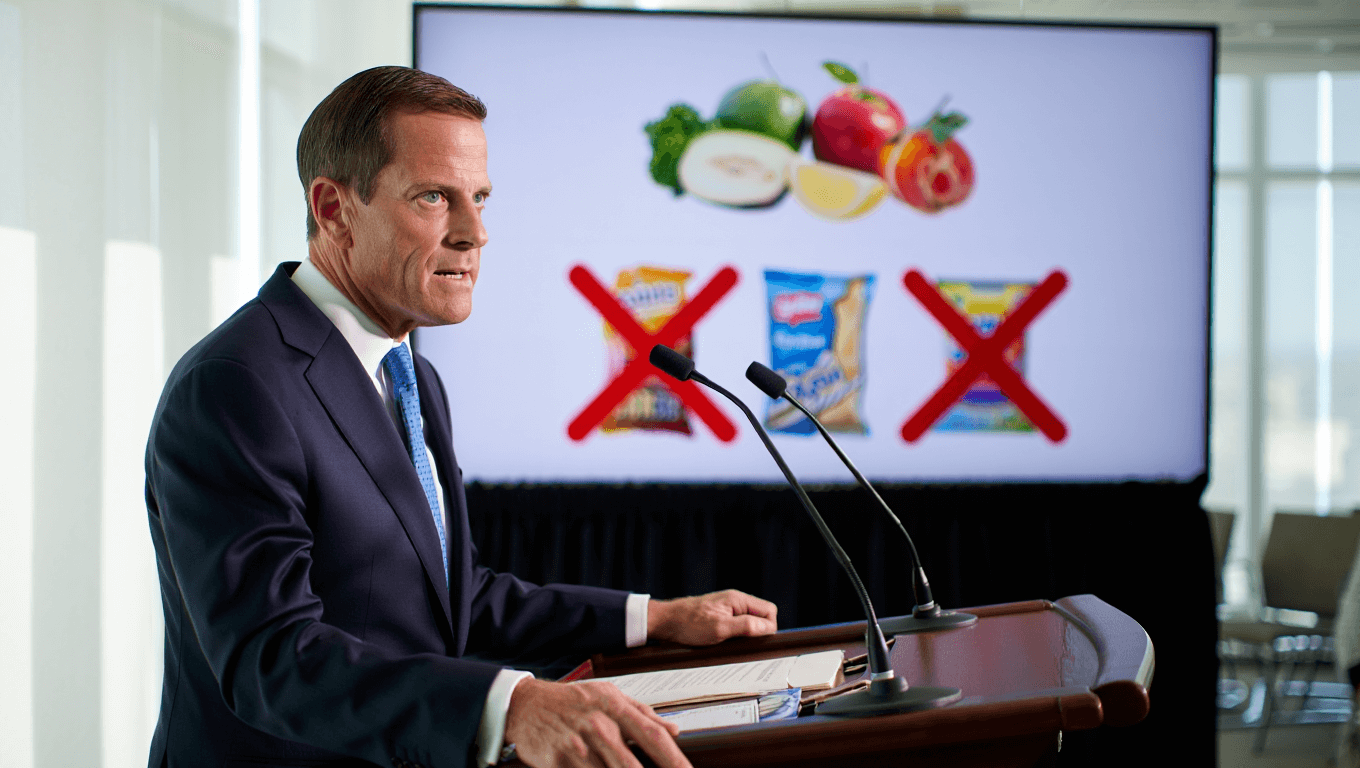
Robert F. Kennedy Jr. has unveiled a fresh set of dietary recommendations that aim to cut added sugars and steer Americans away from highly processed foods. The plan mixes public health goals with policy proposals and has already drawn attention from nutrition experts, lawmakers, and food industry leaders. This article breaks down what the new guidance proposes, how it could change meals in schools and hospitals, and why reactions are mixed.
Key changes in the new dietary guidance
The guidelines prioritize whole foods and limit ingredients linked to chronic disease.
- Reduced added sugar targets: The plan sets tighter limits on added sugars across age groups.
- Less processed food: It encourages a move away from ultra-processed items.
- Clearer labeling: The recommendations call for simpler labels to help consumers choose healthier options.
- Updated portion guidance: Suggested serving sizes are adjusted to reflect modern eating patterns.
Why cutting added sugar is front and center
Added sugars are tied to rising rates of obesity and diabetes. The new guidance frames sugar reduction as a public-health priority.
Targets and examples
- Lower daily sugar allowances for adults and children.
- Guidelines suggest replacing sugary drinks with water or plain milk.
- Recommendations encourage reducing sugar in packaged snacks and baked goods.
Public health officials say less added sugar can reduce chronic disease risk.
What the policy says about processed foods
The guidance uses a broad definition of processed foods to capture items with long ingredient lists and additives.
- Emphasis on meals made from fresh or minimally altered ingredients.
- Advice to limit consumption of ready-to-eat meals high in sodium and fat.
- Support for foods with simple, recognizable ingredients.
How schools and institutions could change menus
One major focus is institutional food service. Schools and hospitals are highlighted as priority settings.
- Updated procurement standards for school lunches.
- Funding incentives for farm-to-school programs.
- Meal planning that cuts processed snacks and sugary beverages.
Smaller kitchens may need support to adapt recipes and supply chains.
Potential effects on the food industry
Manufacturers and retailers will face pressure to reformulate products or reposition them.
- Reformulation to reduce added sugars and sodium.
- Marketing shifts toward whole-food ingredients.
- Possible new costs for labeling and compliance.
Analysts say smaller producers could struggle with the transition. Larger firms may absorb change more easily.
Responses from experts and critics
Nutritionists, public-health advocates, and industry lobbyists have offered mixed reactions.
- Supporters praise the focus on prevention and clear consumer guidance.
- Critics warn of overreach and potential unintended consequences.
- Some scientists ask for stronger evidence on specific thresholds.
Debate centers on feasibility, cost, and the strength of the scientific backing.
Legal and political hurdles ahead
Turning recommendations into enforceable rules would require new legislation or regulatory action.
- Congressional approval could be needed for funding changes.
- FDA rulemaking may be required for labeling updates.
- State and local governments could adopt their own versions first.
How consumers can adapt now
Families and individuals do not need to wait for policy to begin healthier habits.
- Choose whole fruits instead of sugary desserts.
- Read labels to spot added sugars and long ingredient lists.
- Cook simple meals to avoid processed options.
Small swaps, done consistently, drive measurable health gains.
What to watch next
Implementation timelines, pilot programs in schools, and industry responses will shape whether the guidance becomes practice. Media coverage and public hearings are expected to increase. Stakeholders are monitoring rulemaking and funding proposals closely.
Similar Posts:
- RFK Jr. slashes added sugars and processed foods in bold new dietary guidelines
- Ultra-processed foods could damage your bones: here’s why
- Ultra-processed foods may raise risk of early-onset colorectal cancer in women
- Ultra-processed foods linked to diabetes risk: 3 diet facts you need to know
- Ultra-processed foods tied to higher type 2 diabetes risk: how to cut them

Cole is a passionate vegan dessert artist with a knack for turning indulgent classics into plant-based masterpieces. His sweet creations are where flavor meets conscious living.