
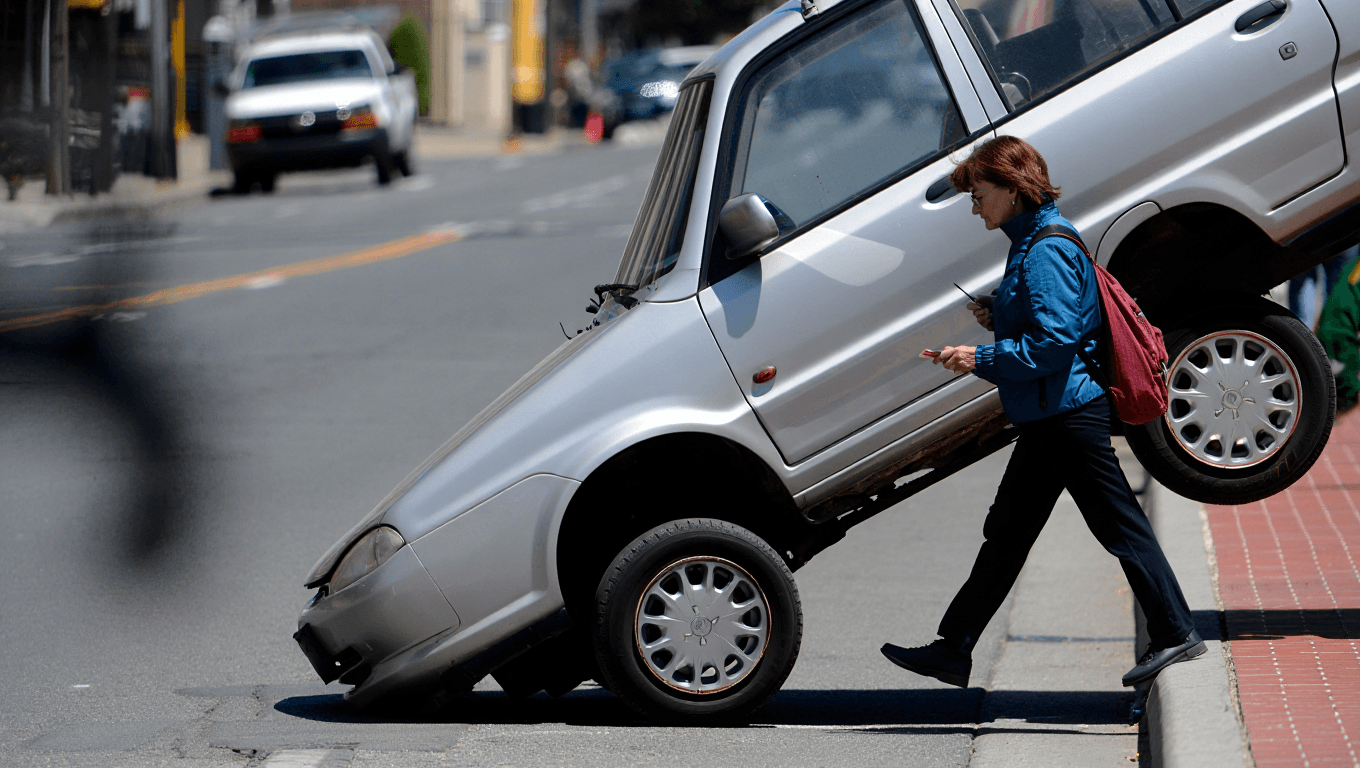
As warmer weather brings more people onto streets and sidewalks, drivers are being urged to think twice before parking on pavements. New polling and government research have renewed calls for clearer rules and tougher enforcement, amid rising concern for pedestrians and those with mobility impairments.
Public mood shifting: strong support for a UK-wide pavement parking ban
Recent polling of UK adults shows a clear appetite for change. A survey of 1,000 people found that 68% would back a ban on pavement parking across the country.
- Many respondents said safety for pedestrians was a top worry.
- One in five respondents did not know pavement parking is already illegal in some parts of the UK.
- Confusion about local rules is widespread.
That uncertainty has become a focal point in debates about road safety. Campaigners argue the law should be consistent nationwide. Motorists say they need clearer guidance to avoid unintentionally breaking rules.
What the data says about danger to vulnerable people
Government research highlights the human cost of pavement parking. The Department for Transport surveyed people with sight loss and wheelchair users.
- 95% of visually impaired respondents reported problems caused by cars blocking pavements.
- Among wheelchair users, the figure rose to 98%.
- 32% of people with sight loss felt less able to travel independently because of blocked footpaths.
- Almost half of wheelchair users said the same.
These figures underline how parked vehicles can make everyday journeys risky or impossible for many. Access and independence for vulnerable groups are at stake.
Patchwork laws: why rules differ across the UK
Legal protections against pavement parking are inconsistent. London and Scotland have specific statutory bans in place.
Outside those areas, the Highway Code gives advice. It tells drivers not to park on pavements unless signs say they can. But that guidance is not always enforceable as law.
Rule 242 of the Highway Code still applies. It requires drivers not to leave a vehicle where it causes danger or unnecessary obstruction. When obstruction or danger is judged to exist, police or local councils can act.
- Local authorities may issue fines or other penalties.
- Enforcement depends on local policy and resources.
- Visible signage and clear rules vary from town to town.
Voices from the motoring world: calls for clarity and tougher sanctions
Insurance and motoring experts warn that mixed messaging fuels risky behaviour. They say drivers often do not realise when pavement parking is illegal.
Industry figures urge a uniform approach. They want rules that are easy to understand and simple to enforce.
- Introduce consistent national legislation to avoid confusion.
- Raise penalties for repeat or dangerous offenders.
- Increase public awareness campaigns about the impact on pedestrians.
Experts stress that clearer laws combined with better enforcement would protect the most vulnerable.
Practical steps for drivers and local authorities
There are immediate measures both drivers and councils can take.
- Drivers should avoid parking on pavements unless signs explicitly permit it.
- Leave enough space for pushchairs, wheelchairs and mobility aids to pass.
- Check local restrictions before you park, especially in town centres.
- Local councils can map problem streets and deploy enforcement where it matters most.
- Better signage and clear communication can reduce accidental breaches.
What to look for this summer
With more people visiting friends, parks and attractions, pavement parking complaints often rise.
- Expect increased enforcement in busy tourist areas.
- Watch for council campaigns explaining local rules.
- Be prepared for calls to expand statutory bans beyond London and Scotland.
Similar Posts:
- Parking law changes put millions at risk: new fines start this year
- £100 fine for parking: new crackdown pushes millions off pavements
- Pavement parking ban could sweep the UK: Labour poised to act amid mounting pressure
- New EV charging tool could ease switch to electric cars for millions of homeowners
- Ambulance Crews Fined in Low Traffic Zones Despite Exemptions: A Shocking Oversight

Naomi is a clean beauty expert passionate about science-driven skincare and natural remedies. She demystifies ingredients and shares routines that empower readers to glow — naturally.