
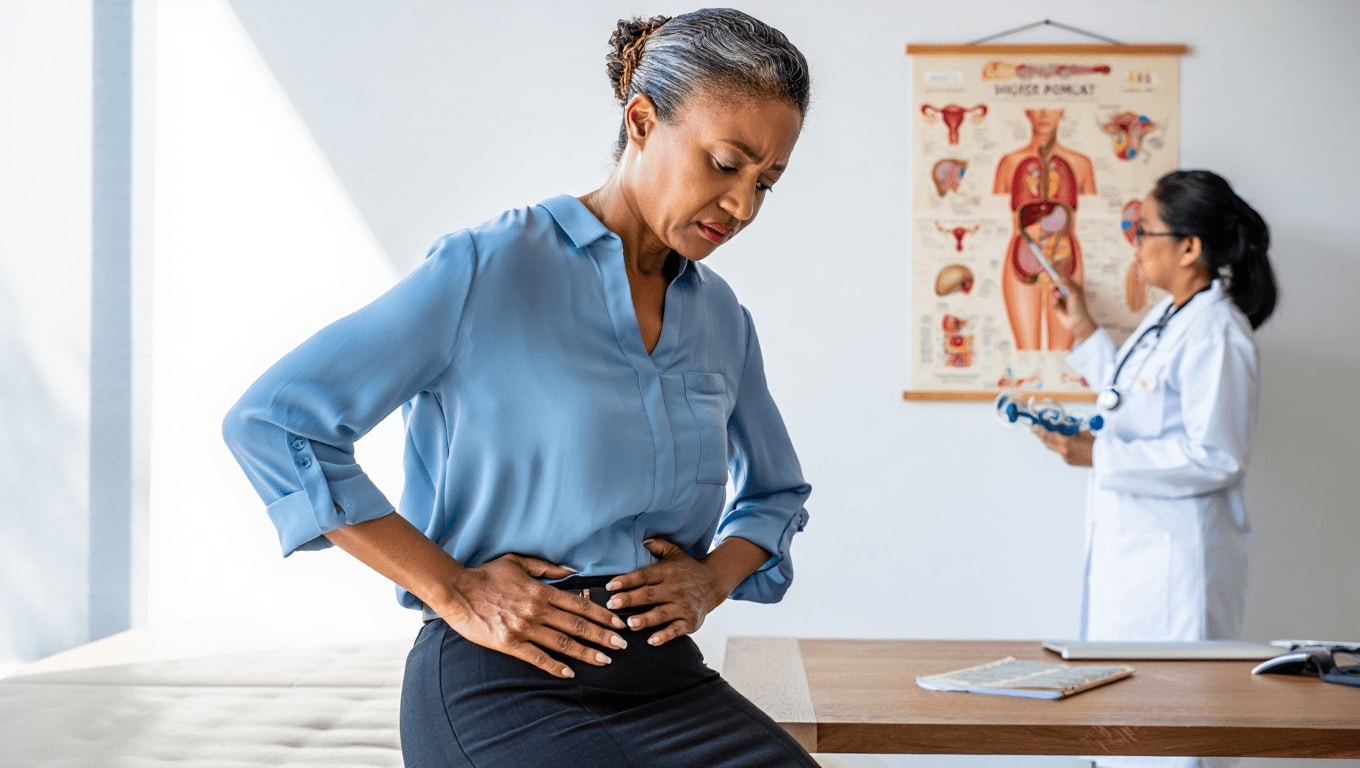
Menopausal weight changes often show up first around the waist. Many women blame food or inactivity, but shifting hormones are usually the key driver. Understanding how hormones, diet and exercise interact helps you choose a realistic plan to reduce abdominal fat without extreme measures.
How hormonal shifts redirect fat to the belly
During menopause, the body’s hormonal balance changes. Levels of oestrogen fall. That change alters where fat is stored.
Relative increases in androgens, like testosterone, can encourage fat to move to the midsection. This is a redistribution of existing fat more than sudden weight gain for some women.
Insulin sensitivity and metabolic rate also change with age. Those shifts can make the belly area more prone to storing fat.
A proven eating pattern: why the Mediterranean approach works
Research points to one dietary pattern that consistently helps reduce inflammation and support healthy weight in midlife. The Mediterranean diet focuses on whole foods and balance.
- Plenty of vegetables and fruit
- Whole grains and legumes
- Healthy fats, especially olive oil and nuts
- Moderate fish and poultry; less red meat
- Limited processed foods and added sugars
Anti-inflammatory foods in this diet may help blunt the abdominal fat gain linked to hormonal change.
Combining the right macros: protein and muscle protection
As oestrogen dips, maintaining muscle mass becomes more important. Higher protein intake supports muscle and helps keep metabolism steadier.
- Aim for protein at each meal.
- Include lean sources: fish, poultry, eggs, dairy, legumes, tofu.
- Protein helps with satiety and preserves lean tissue during weight loss.
Resistance training plus protein offers the best chance to lose fat but keep muscle as you age.
Exercise plan that targets belly fat and strength
Cardio burns calories, but strength work changes your body composition.
Key elements to include
- Resistance training 2–4 times weekly. Focus on compound moves.
- Progressive overload: gradually increase weight or reps.
- Mix in moderate cardio 2–3 times weekly for heart health.
- Include mobility and balance work to reduce injury risk.
Short, consistent workouts beat sporadic, intense sessions. Small gains compound over months.
What to know about fasting and very low-calorie diets
Fasting has become popular, but its effects around menopause are mixed. Some people see benefits with intermittent fasting. Others experience setbacks.
Very low-calorie diets carry concrete risks for women over 50. Rapid weight loss can accelerate muscle loss and reduce bone density.
- Increased sarcopenia risk (loss of muscle mass)
- Potential decline in bone mineral density
- Mood changes, low energy and rebound weight regain
If you try time-restricted eating, keep protein high and pair it with resistance training.
Practical daily habits for sustainable progress
- Eat balanced meals centered on vegetables, whole grains and lean protein.
- Prioritise sleep; poor rest raises appetite and inflammation.
- Manage stress—chronic stress increases cortisol, which can drive belly fat.
- Limit alcohol. It adds calories and can worsen central fat.
- Stay hydrated and move regularly throughout the day.
Small, consistent changes yield more reliable results than extreme diets.
Signs to see a clinician and treatment options
If weight shifts are sudden or accompanied by other health problems, seek medical advice. A doctor can check thyroid, glucose and hormonal health.
- Discuss bone health: get bone density assessed if needed.
- Review medications that might affect weight.
- Consider hormone replacement therapy only after a clinical discussion.
Individualised care often produces better outcomes than one-size-fits-all plans.
Sample meal and training week for women in midlife
Here is a simple, realistic template to adapt to personal tastes and needs.
- Breakfast: Greek yogurt with berries and nuts. Add oats if desired.
- Lunch: Big salad with mixed greens, chickpeas, grilled salmon and olive oil.
- Snack: Hummus with vegetable sticks or a boiled egg.
- Dinner: Roast vegetables, quinoa and a lean protein like chicken or tofu.
- Training: Two strength sessions (30–45 mins), two cardio sessions (20–40 mins), daily walking.
Adjust portion sizes to match activity levels and personal goals.
Similar Posts:
- Why does belly fat increase with age? The science behind it
- Here’s Why Your Belly Grows with Age—And What You Can Do
- Belly fat: 5 powerful tricks to lose it fast without exercise
- Why your belly gets bigger with age : the real reasons
- What to eat at every meal to build muscle mass, according to a nutritionist

Naomi is a clean beauty expert passionate about science-driven skincare and natural remedies. She demystifies ingredients and shares routines that empower readers to glow — naturally.