
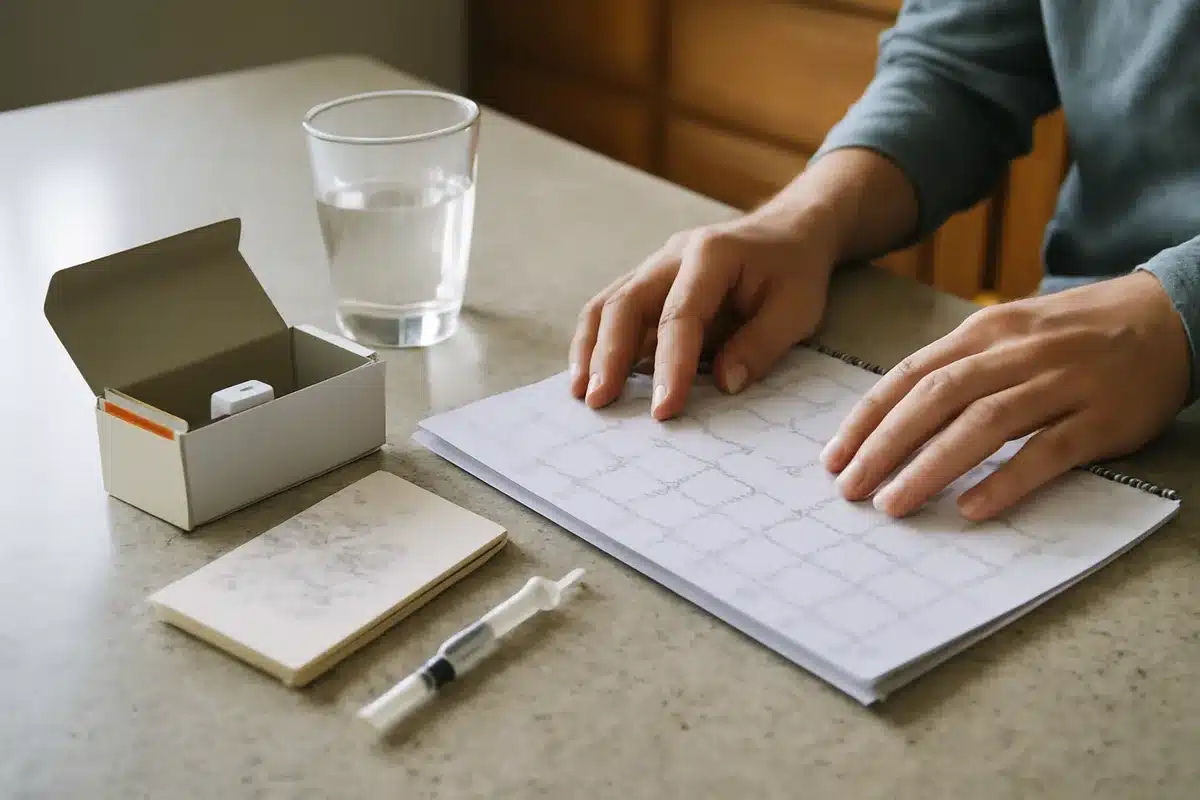
People experimenting with tiny doses of GLP-1 drugs such as Wegovy and Zepbound report slimmer waistlines and steadier control over cravings. Interest in microdosing has surged, fueled by cost, side‑effect management, and curiosity about whether lower doses still trigger weight loss. Doctors and researchers caution that science is still catching up.
How GLP‑1 medications influence appetite and body weight
GLP‑1 drugs act on hormone pathways that regulate hunger. They slow stomach emptying and reduce food intake. Some also modify how the brain senses reward from food.

Key biological effects that matter
- Appetite suppression: Signals to the brain reduce desire to eat.
- Slower gastric emptying: Meals feel satisfying longer.
- Metabolic changes: Insulin sensitivity and glucose control often improve.
Wegovy vs Zepbound: what's different and why it matters
Wegovy contains semaglutide, a GLP‑1 receptor agonist. Zepbound contains tirzepatide, a dual GIP and GLP‑1 agonist. Both reduce weight, but they work in overlapping ways.
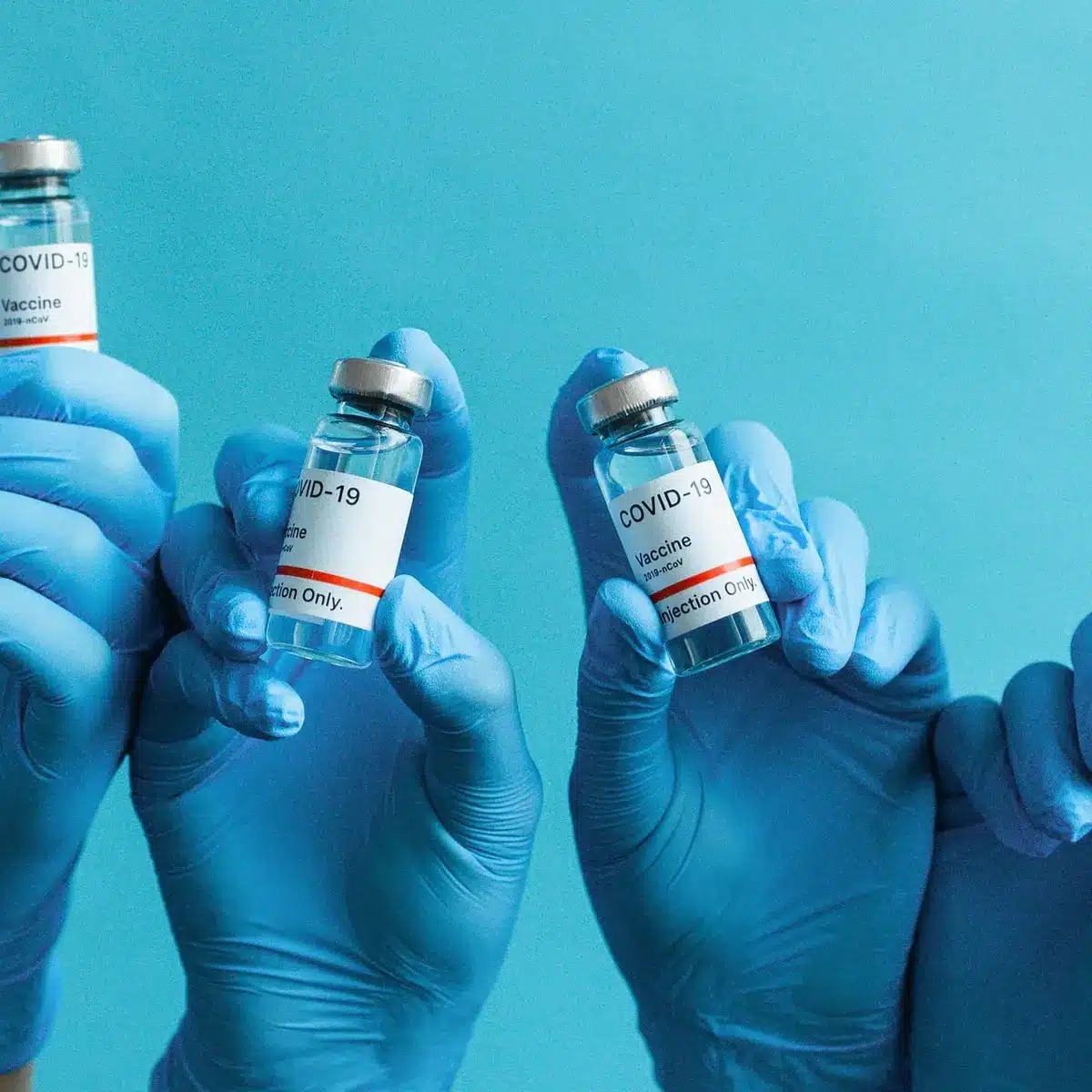
- Wegovy targets GLP‑1 pathways primarily.
- Zepbound targets GLP‑1 and GIP, which may amplify weight loss for some people.
- Dosing schedules and clinical trial results differ between the two drugs.
What microdosing is and why people try it
Microdosing means taking a fraction of a standard therapeutic dose. People do this to lower side effects. Others try it to extend supply or reduce cost.
- Some split monthly injections into smaller, more frequent doses.
- Others start with a lower prescribed dose and stay there off‑label.
- Anecdotes suggest modest weight loss can occur at these reduced levels.
Does using smaller doses still produce weight loss?
Clinical trials focus on full therapeutic doses. Evidence for microdosing is mostly anecdotal and preliminary.
Why lower doses might still help
- Even small activation of GLP‑1 receptors can reduce appetite.
- Gradual exposure may preserve benefits while limiting nausea.
- Some people respond strongly to lower drug concentrations.
But the magnitude and durability of weight loss at microdoses remain uncertain.
Safety, side effects, and medical concerns with microdosing
Lower doses often mean fewer immediate side effects. However, risks are not eliminated.
- Nausea, constipation, and vomiting can still occur.
- There are rare but serious concerns: pancreatitis and gallbladder issues.
- People on insulin or sulfonylureas may face hypoglycemia.
- Long‑term effects of sustained low dosing are unknown.
Always consult a clinician before changing dosing or using these drugs off‑label.
Practical and legal factors to weigh before microdosing
Microdosing raises practical questions about supply, legality, and ethics.
- Insurance typically covers approved dosing regimens, not split doses.
- Altering injections without medical guidance may void prescriptions.
- Drug stability and storage matter when dividing doses.
Questions to ask your prescriber
- Is a lower maintenance dose medically reasonable for me?
- What side effects should I expect and how to manage them?
- How will we monitor my progress and safety?
What research is still needed about microdosing GLP‑1 drugs
Researchers are exploring whether reduced doses can balance efficacy and tolerability. Key gaps remain in long‑term safety and real‑world effectiveness.
- Randomized trials of microdosing vs standard dosing are limited.
- Data on sustained weight loss and metabolic outcomes at low doses are sparse.
- Population differences in response need clearer study.
Ongoing studies aim to clarify dose‑response relationships and identify who benefits most from lower exposure to these agents.
Similar Posts:
- Ozempic, Wegovy: can fewer injections keep weight off?
- Wegovy higher dose may boost weight loss for GLP-1 users
- Zepbound vs Wegovy: which GLP-1 gives bigger, faster weight loss?
- Semaglutide higher doses lead to faster, greater weight loss: study
- Ozempic, Wegovy cut calorie intake for over a year: study finds lasting appetite control

Cole is a passionate vegan dessert artist with a knack for turning indulgent classics into plant-based masterpieces. His sweet creations are where flavor meets conscious living.