
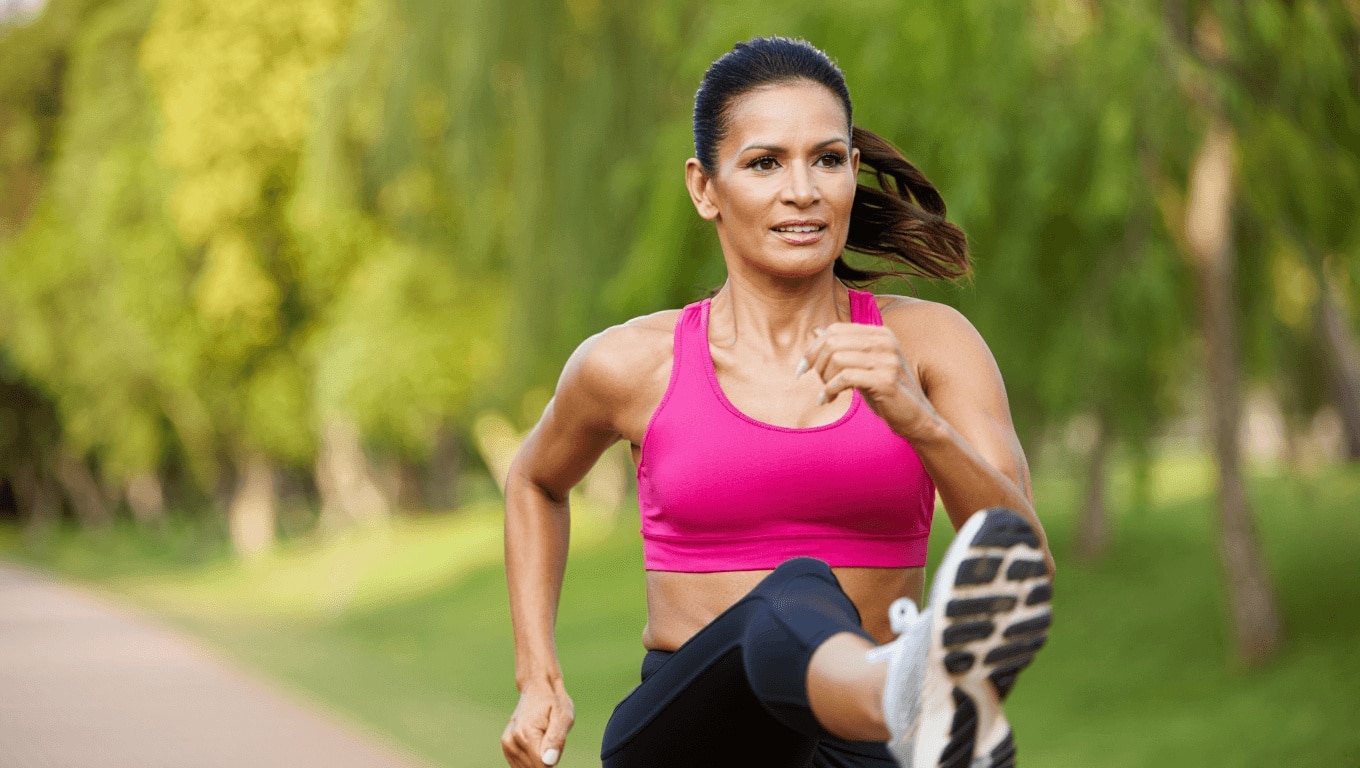
New research suggests that women who keep up regular physical activity during midlife dramatically lower their chances of dying early. The finding adds to a growing body of evidence linking movement to longevity and offers practical guidance for women navigating busy years of work and family.
Major finding: Active midlife women face far lower mortality risk
Researchers analyzed long-term health records and lifestyle data to compare outcomes for women who stayed active with those who did not. After adjusting for health history and lifestyle factors, the study found that women who maintained physical activity through midlife had about a 50% lower risk of premature death.
This effect held across different ages in midlife and for various causes of death, according to the authors. The study highlights activity as a powerful and modifiable factor in long-term health.
What counts as “active” in midlife?
Definitions varied across the evidence, but most experts agree on practical thresholds. Activity did not need to be intense or time-consuming to offer benefits.
- Brisk walking for 30 minutes most days of the week.
- Moderate aerobic exercise 150 minutes per week.
- Combining shorter sessions of movement that add up to the weekly goal.
Some data showed benefits from strength training and flexibility work as well. The key pattern was consistency over years, not a single burst of intense effort.
How movement protects long-term health
Experts point to several biological and social pathways linking activity to lower mortality.
- Cardiovascular benefits: Regular movement lowers blood pressure and improves cholesterol.
- Metabolic effects: Activity helps control weight and reduce diabetes risk.
- Muscle and bone health: Strength and balance reduce frailty and falls.
- Mental health: Exercise reduces stress and supports cognitive function.
These mechanisms work together. Over years, even modest activity reduces the wear-and-tear that raises risk of early death.
Who gains the most from staying active?
While all groups saw benefit, the study flagged greater relative improvements among women with higher baseline risk. That includes women with obesity, high blood pressure, or a family history of heart disease.
Still, physicians say every woman can gain from sustained movement. Even small increases in daily steps produced measurable risk reduction in some analyses.
Real-world tips to stay active during busy midlife
Time pressures and caregiving roles often make exercise secondary. These strategies can help make movement regular and realistic.
- Break activity into short blocks, like three 10-minute walks per day.
- Mix cardio with strength work twice a week.
- Use walking meetings or active commuting where possible.
- Set concrete, measurable goals rather than vague intentions.
- Find social supports: classes, friends, or family who move with you.
Tracking progress and celebrating small wins increases adherence. Safety matters: consult a clinician if you have chronic conditions.
Evidence quality and what the research does not answer
Most studies are observational. That means they can show association but not absolute proof of cause and effect. Researchers controlled for many confounders, but some uncertainty remains.
Remaining questions include the optimal mix of activities and how much benefit comes from late-life changes versus lifelong patterns. Randomized trials in diverse populations would strengthen recommendations.
Practical next steps women can take today
Clinicians recommend starting where you are. If you are sedentary, add five to ten minutes of intentional movement each day and build from there.
- Choose an activity you enjoy and can maintain.
- Schedule movement like any appointment.
- Track weekly minutes, not perfection.
- Reassess goals every month to keep them realistic.
Small, consistent changes in midlife can translate into large gains in years lived.
Similar Posts:
- Breast cancer risk may drop with physical activity: study finds
- Weekend Warriors vs. Daily Exercisers: Surprising Health Benefits Revealed!
- 10-minute daily walk slashes early death risk 15%: new study
- Steps per day by age for optimal heart health: fitness expert reveals
- Exercise slashes death risk across 7 cancers: major study

Cole is a passionate vegan dessert artist with a knack for turning indulgent classics into plant-based masterpieces. His sweet creations are where flavor meets conscious living.