
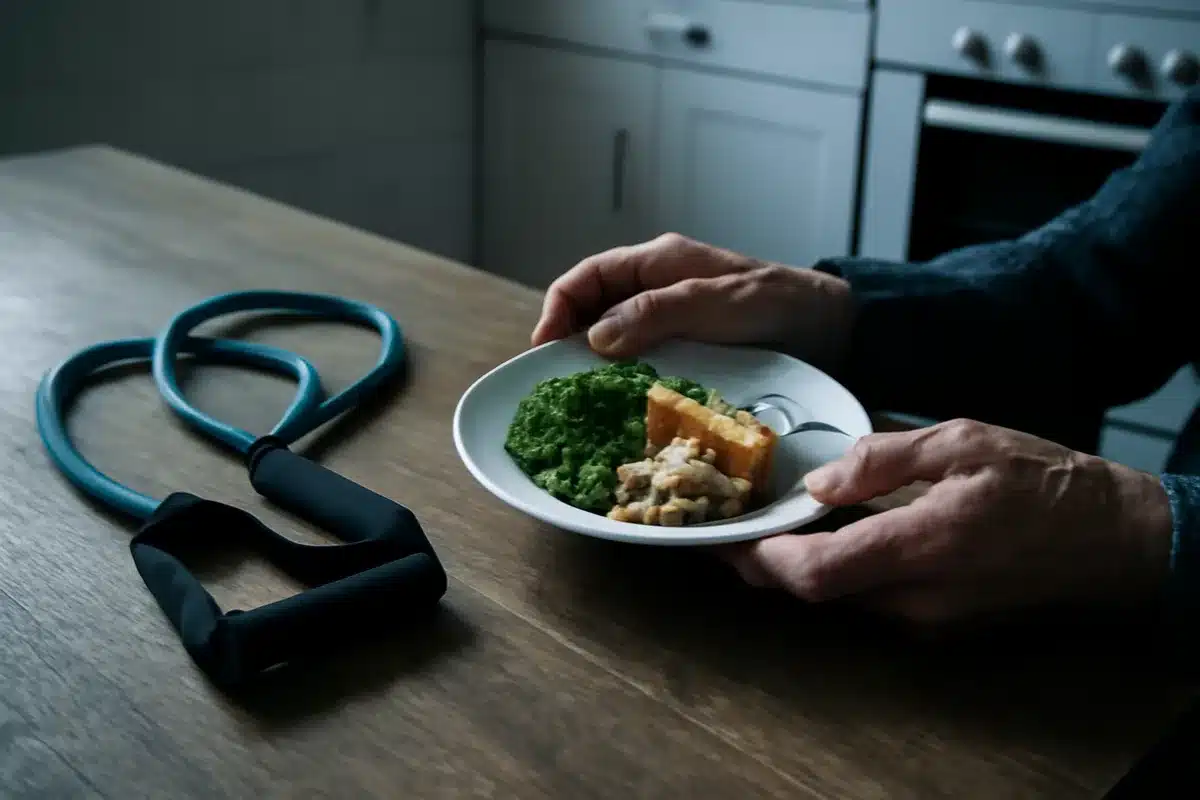
As GLP-1 drugs such as semaglutide and tirzepatide become common treatments for obesity and diabetes, clinicians and patients are weighing benefits against new concerns. For adults over 65, the appetite-suppressing and weight-reducing effects of these medicines can inadvertently reduce muscle mass. That loss raises the risk of frailty, falls, and loss of independence.
How GLP-1 medications change body composition
GLP-1 receptor agonists act on the brain and gut to lower appetite and slow stomach emptying. The result is sustained weight loss. But not all weight lost is fat.

- Lean mass reduction: Rapid calorie decline often leads to loss of both fat and muscle.
- Lower protein intake: Reduced hunger can make it hard to consume enough protein to preserve muscle.
- Metabolic shifts: Aging muscles have a weaker anabolic response to protein and exercise, making recovery harder.
Why older adults face greater danger
People over 65 already experience gradual muscle decline. This age-related process, called sarcopenia, reduces strength and stamina.
- Older adults have less metabolic reserve. Sudden weight loss can tip them into functional decline.
- Chronic diseases common in seniors can amplify muscle wasting when calorie intake falls.
- Low physical activity and nutritional gaps are common in this group, worsening the impact of drug-induced weight loss.
Signs that muscle loss or frailty may be occurring
Early detection is critical. Caregivers and clinicians should watch for subtle changes.
- Decreased grip strength or trouble rising from a chair.
- Loss of walking speed or shorter distances walked.
- Drop in appetite, unintended weight loss, or clothes fitting looser.
- Fatigue, repeated falls, or a new need for assistance with daily tasks.
Clinical and diagnostic tools to monitor patients
There are practical ways to track muscle and function while patients use GLP-1 therapies.
- Functional tests: timed up-and-go, chair-stand, and gait speed checks.
- Strength measures: handgrip dynamometry offers a quick snapshot.
- Body composition: DEXA or bioelectrical impedance can estimate muscle mass.
- Nutrition screening: routine checks for protein and calorie intake.
Practical steps to reduce risk while using GLP-1 drugs
Combining medication with lifestyle changes helps preserve muscle and protect independence.
Nutrition strategies
- Prioritize protein at each meal. Aim for high-quality sources like dairy, eggs, fish, and legumes.
- Consider protein supplements if appetite is low. Small, frequent protein-rich snacks work well.
- Monitor vitamin D and overall micronutrient status to support muscle metabolism.
Exercise and physical activity
- Resistance training preserves and builds muscle. Even light weights or resistance bands help.
- Balance and gait exercises reduce fall risk.
- If mobility is limited, focus on seated strength and daily movement routines.

Medication management
- Choose a conservative dose and titration plan for older adults.
- Regularly reassess the need for continued therapy versus observed harms.
- Coordinate care with geriatricians, endocrinologists, and dietitians for tailored decisions.
Who should be cautious or assessed before starting GLP-1 therapy
Not every older adult is at high risk, but some warrant extra caution.
- Those with recent unintentional weight loss or low body mass index.
- People already showing limited mobility, low grip strength, or recent falls.
- Patients with multiple chronic illnesses or poor nutritional intake.
How families and caregivers can help
Active involvement from family members improves safety and outcomes.
- Keep track of meals and protein intake.
- Encourage daily movement and join in balance or strength exercises.
- Report changes in function, appetite, or mood to the clinical team promptly.
What clinicians should document and discuss
Clear communication reduces risk and aligns treatment goals with patient priorities.
- Discuss functional goals: maintaining independence may matter more than maximal weight loss.
- Document baseline functional tests and schedule regular follow-ups.
- Provide written guidance about nutrition and exercise for patients and caregivers.
Emerging research and unanswered questions
Data are growing, but many details remain unclear.
- Long-term effects of GLP-1 drugs on muscle mass in the elderly are still being studied.
- Optimal strategies to combine medication with exercise and nutrition need confirmation.
- Personalized approaches for frail patients are a priority for future trials.
Similar Posts:
- Mounjaro vs Ozempic: why Mounjaro may cause more lean body mass loss
- GLP-1 users skip exercise despite Ozempic, Wegovy benefits
- Boost Your Protein Intake: Key to Preventing Muscle Loss with GLP-1 Weight Loss Drugs
- Alternate-day fasting: rapid 4-week weight loss but unexpected muscle loss
- Can’t lose weight: walking for exercise could be to blame, says fitness expert

Cole is a passionate vegan dessert artist with a knack for turning indulgent classics into plant-based masterpieces. His sweet creations are where flavor meets conscious living.