

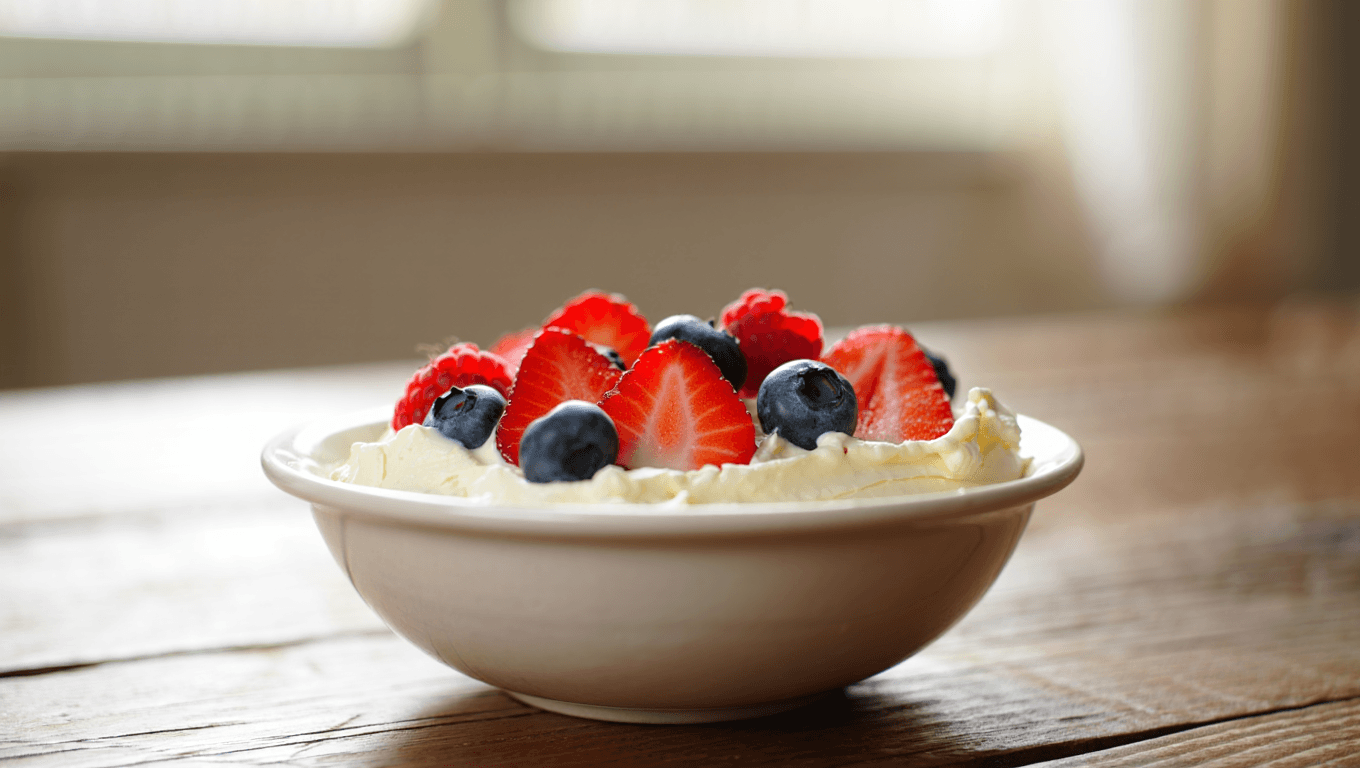
Light, silky and surprisingly simple, Fontainebleau deserves a comeback on modern dessert menus. Born in Île-de-France in the 18th century, this whipped cheese treat is made from just a few ingredients and showcases seasonal fruits beautifully. Read on for an easy home recipe, texture tips and ideas to refresh this classic.
Classic Fontainebleau recipe for four — ingredients and measurements
Make a refined dessert with minimal effort. Below are the quantities for four servings.
- 250 g faisselle or very thick fromage blanc
- 250 ml heavy cream, very cold (at least 30% fat)
- 40 g icing sugar (optional)
- 1 vanilla pod, seeds scraped (optional)
Step-by-step method to achieve the perfect mousse-like texture
- Place the faisselle in a fine sieve lined with muslin or a clean cloth. Set over a bowl and refrigerate to drain for 2 hours or overnight. This concentrates flavor and firms the base.
- Chill your mixing bowl and whisk. Pour the cold cream in and whip until it forms firm peaks. Add the icing sugar and vanilla seeds near the end if you want a sweeter, scented cream.
- Smooth the drained cheese with a whisk until silky. Fold the whipped cream in two additions using a spatula, lifting gently to keep the air intact.
- Divide into ramekins, bowls or small molds. Chill for at least two hours to set and develop flavor.
Key tips for stable chantilly and a light finish
- Temperature matters: Cold cream and a chilled bowl make it easier to reach firm peaks.
- Drain well: Letting faisselle drip removes excess whey and prevents a runny dessert.
- Use a flexible spatula to fold. Overmixing collapses the aeration and yields a denser result.
- If you prefer less sweet desserts, omit the sugar and highlight the fruit.
Choosing dairy and alternatives that work
Dairy options
- Faisselle gives the classic slightly tangy profile.
- Thick fromage blanc is an excellent, readily available substitute.
- For a silkier mouthfeel, blend a small amount of mascarpone with the cheese.
Non-dairy alternatives
- Use chilled full-fat coconut cream whipped into peaks for a vegan version.
- Combine coconut cream with a tangy plant-based yogurt to mimic the cheese note.
Seasonal fruit pairings and serving ideas
Fontainebleau’s mild creaminess makes it ideal with fresh or cooked fruits. Match textures and acidity for balance.
- Spring: Poached rhubarb or macerated strawberries with a splash of lemon.
- Summer: Sliced peaches, gariguette strawberries, or a mixed berry compote.
- Autumn: Warm spiced apples, caramelized figs or pear slices sautéed in butter and honey.
- Winter: Citrus segments with a drizzle of olive oil and cracked black pepper.
Quick variations and flavor enhancements to try
- Stir in grated citrus zest or a teaspoon of liqueur like Grand Marnier for aromatic depth.
- Top with toasted nuts, praline shards or crisp meringue for contrast.
- Mix in a spoonful of honey or maple syrup instead of icing sugar for a warmer sweetness.
- Create layered parfaits with fruit compote, Fontainebleau and crunchy granola.
Storage, presentation and serving tips for restaurants or home
- Keep refrigerated and consume within 48 hours for best texture and freshness.
- Serve chilled in small bowls or pipe into cups for a refined look.
- Garnish just before serving so fruits stay bright and textures remain crisp.
Similar Posts:
- Tiramicake: the tiramisu-cheesecake hybrid melting hearts
- Strawberry jello lasagna: why this retro dessert is making a comeback
- Tropical fruit cheesecake crumb cake: irresistible summer dessert
- No-bake flourless cheesecake: Philippe Etchebest shares easy recipe
- Baileys chocolate lasagna recipe: the boozy dessert everyone’s obsessed with