
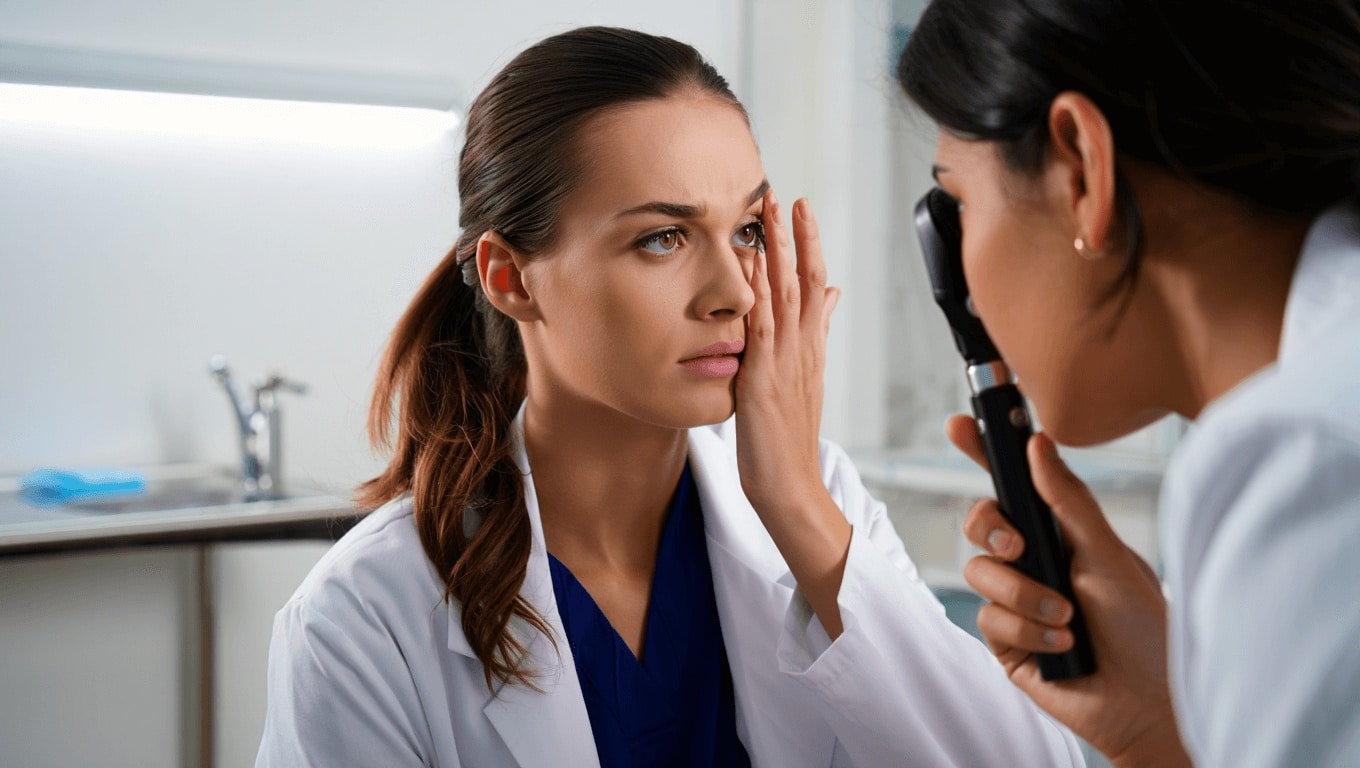
Allie Dashow was days away from defending her doctoral research in clinical psychology when a startling diagnosis arrived. The news upended plans, forced sudden choices about treatment, and pushed a driven student into an unfamiliar world of hospitals, tests and second opinions.
How a milestone turned into a medical crisis
Allie had planned a spring commencement and a lecture tour for her dissertation work. Instead, she found herself meeting with specialists. Doctors confirmed a rare, high-risk form of cancer. The timing felt cruel. The diagnosis arrived while she was finishing experiments and advising undergraduates.
Understanding the diagnosis and risks
Medical teams called the cancer both uncommon and aggressive. That language spelled urgency. Allie and her family were given a rapid timeline for staging, genetic testing and treatment planning.
- Immediate scans and lab work to map the disease.
- Molecular profiling to see which therapies might help.
- Multidisciplinary review involving oncologists and transplant teams.
What “rare” and “risky” meant for her care
Because the cancer was uncommon, there were fewer standardized protocols. That meant more consultation, more travel to specialty centers, and more weighing of experimental or off-label options. Risk also meant balancing potential cure rates against treatment side effects.
Treatment choices and the road ahead
Faced with complex options, Allie prioritized expert input. She met with oncologists, clinical trial coordinators and transplant specialists. Together they weighed chemotherapy, targeted agents, and the possibility of a stem cell transplant.
- Short-term therapies to reduce tumor burden.
- Genetic-targeted drugs if an actionable mutation appeared.
- Consideration of clinical trials at regional centers.
Decision-making under pressure
Decisions had to be swift, but not rushed. Her medical team emphasized informed consent. Allie read studies, asked about outcomes, and requested second opinions. Family and faculty mentors helped her parse dense medical literature.
Balancing doctoral work and intensive care
Maintaining academic responsibilities proved difficult. Teaching, data analysis and dissertation revisions competed with appointments and side effects. Her department offered accommodations, but the juggling act remained intense.
- Flexible deadlines for dissertation milestones.
- Remote supervision and virtual meetings when travel was impossible.
- Temporary leave options to focus on recovery.
The impact on research and students
Allie’s lab paused some projects while she recovered. Graduate students who depended on her mentorship adapted by rotating responsibilities. Colleagues described the shifts as a test of academic community support.
Emotional toll and support network
The diagnosis brought waves of fear and resolve. Counseling, both professional and peer, became central to coping. Friends, family and colleagues formed a tight support web that helped manage appointments, childcare, and the small tasks that become large under stress.
- Regular therapy sessions to process anxiety and grief.
- Peer groups for patients with similar diagnoses.
- Departmental fundraising and meal trains for practical support.
Faith, resilience and storytelling
Allie used journaling and conversations with mentors to stay centered. Sharing her story helped reduce isolation. Her updates to friends were candid and practical, focusing on treatments, side effects and small victories.
Medical experts weigh in on rare cancers in young adults
Physicians say early detection matters, but rare cancers often elude routine screening. For younger patients, treatment protocols may borrow from adult and pediatric oncology, and clinical trials play a larger role.
- Second opinions are recommended for rare diagnoses.
- Molecular testing can reveal targeted therapy options.
- Clinical trials offer access to cutting-edge treatments.
Research gaps and hope
Specialists stress that more research funding is needed for uncommon cancers. Still, advances in genomics and immunotherapy have opened treatments that were unavailable a decade ago.
Practical lessons for students facing sudden illness
Allie’s experience highlights steps other students can take if illness strikes during school.
- Notify your program early about medical needs.
- Request formal accommodations and document them.
- Use campus counseling and disability services.
- Ask mentors about delegating lab or teaching duties.
Financial and administrative realities
Medical care can strain finances. Grants, emergency funds and advocacy from academic administrators can ease burdens. Navigating insurance and leave policies is often as important as choosing a medical treatment.
Where Allie finds purpose amid upheaval
Throughout treatment, Allie remained committed to mental health advocacy. She used public talks to raise awareness about rare cancers and the need for supportive services for student-patients. Her work connected clinical insight with personal experience.
Small wins that mattered
Recovering from intense treatment involved slow steps. A successful scan, a day without severe side effects, or a supportive message from a former student became markers of progress.
Resources and next steps for others in similar situations
Experts recommend these first actions for anyone in Allie’s position:
- Get a precise diagnosis with molecular testing.
- Seek multidisciplinary and second-opinion consultations.
- Explore clinical trials early in the process.
- Engage campus support services for academic accommodation.
Where to look for help
Patient advocacy groups, national cancer organizations, and university health programs often list specialized centers. Social workers at hospitals can help connect patients to financial aid and counseling.
Similar Posts:
- Rob Lowe Champions Cancer Trials: Discover His Powerful Reason Why
- Vitamin B3 may lower skin cancer risk: study finds
- Exercise slashes death risk across 7 cancers: major study
- D’Angelo dies of pancreatic cancer: rare disease thrust into spotlight
- Olivia Munn’s Genetic Battle: How Her Mom’s Breast Cancer Raises Awareness
Health advocate and wellness researcher, Dr. Monroe brings clarity to confusing health trends with science-backed advice. Her mission is to help readers live vibrantly, from the inside out.